
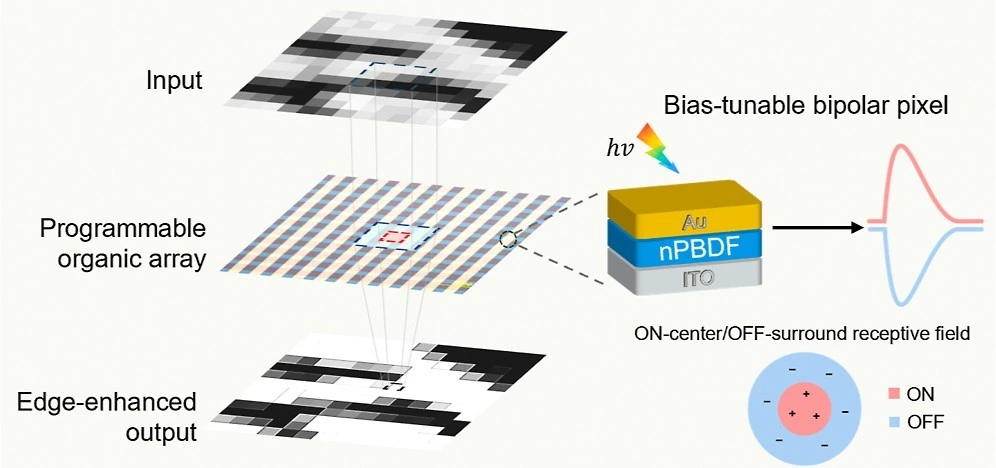
A retina-inspired organic device from the group is published in ACS Nano. The human retina processes vision in three cellular layers: photoreceptors carry out phototransduction, bipolar cells process contrast, and ganglion cells transmit the signals to the brain. Three years ago, an electrochemical transistor that mimics phototransduction was published in Nature Photonics; it works through photon-modulated electrochemical doping below 1 V and has now passed 300 citations. The new device emulates retinal bipolar cells. Built with a vertical two-terminal geometry, asymmetric electrodes and a single layer of n-PBDF, it tunes the polarity of its photoresponse continuously from negative to positive below 0.2 V, reproducing the antagonistic visual encoding behind biological contrast. It switches polarity reversibly over 1,000,000 cycles and stays stable for 78 days in ambient air. Congratulations to Jiao Suo, who carried out most of the work, and all coauthors. The next target is the spike encoding of ganglion cells, toward a fully organic artificial retina that interfaces directly with the brain.
Mei Research GroupMei Group
Exploring functional materials for living electronics and electrochromics through intelligent molecular design and automated experimentation.
Research
Living Electronics
Electronic materials that, instead of being implanted, grow inside the living body and merge organically with the nervous system.
Electrochromics
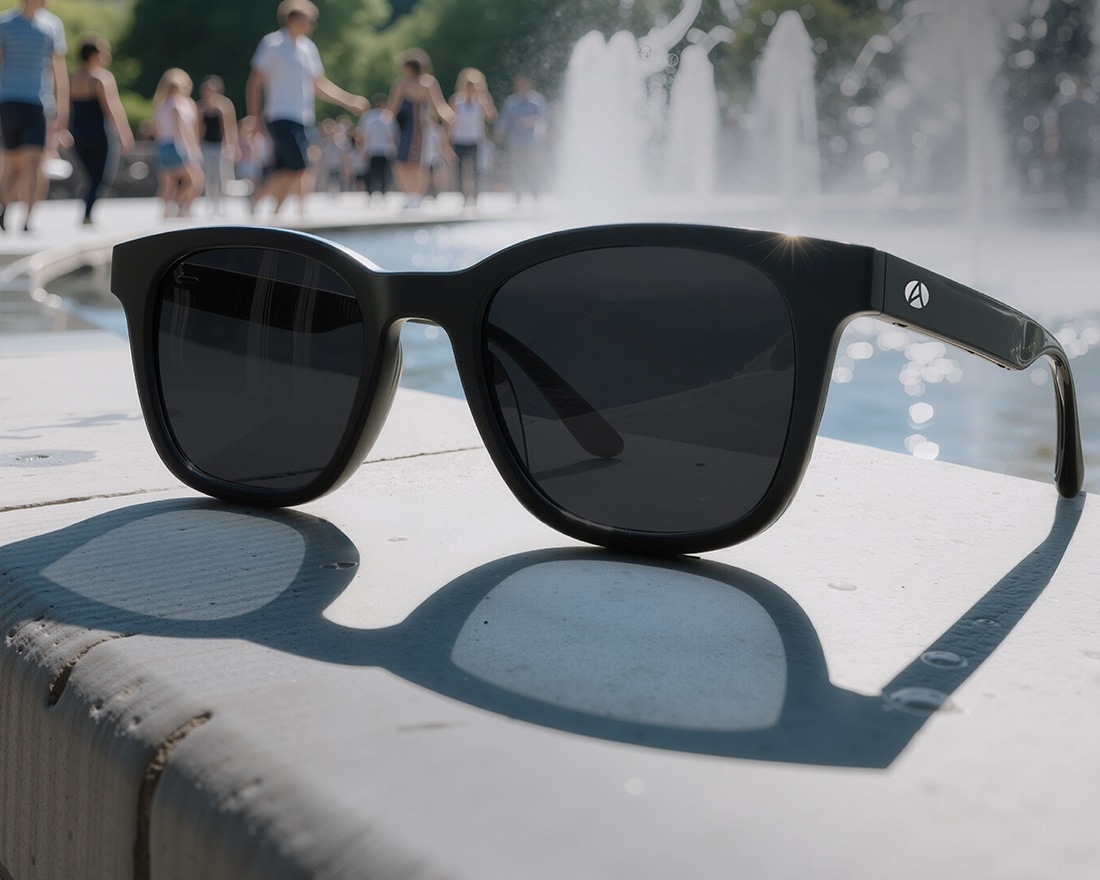
Conjugated polymers that reversibly modulate light and heat transmission in response to an applied voltage.
Self-Driving Laboratory
Combining machine learning and large language models to efficiently drive automated optimization experiment cycles.

Molecular Engineering
Designing, synthesising and characterising conjugated polymers with innovative properties.
Explore Mei Group
Real interdisciplinary research not only brings people together; it also means understanding problems from different perspectives and inspiring unique solutions.
News
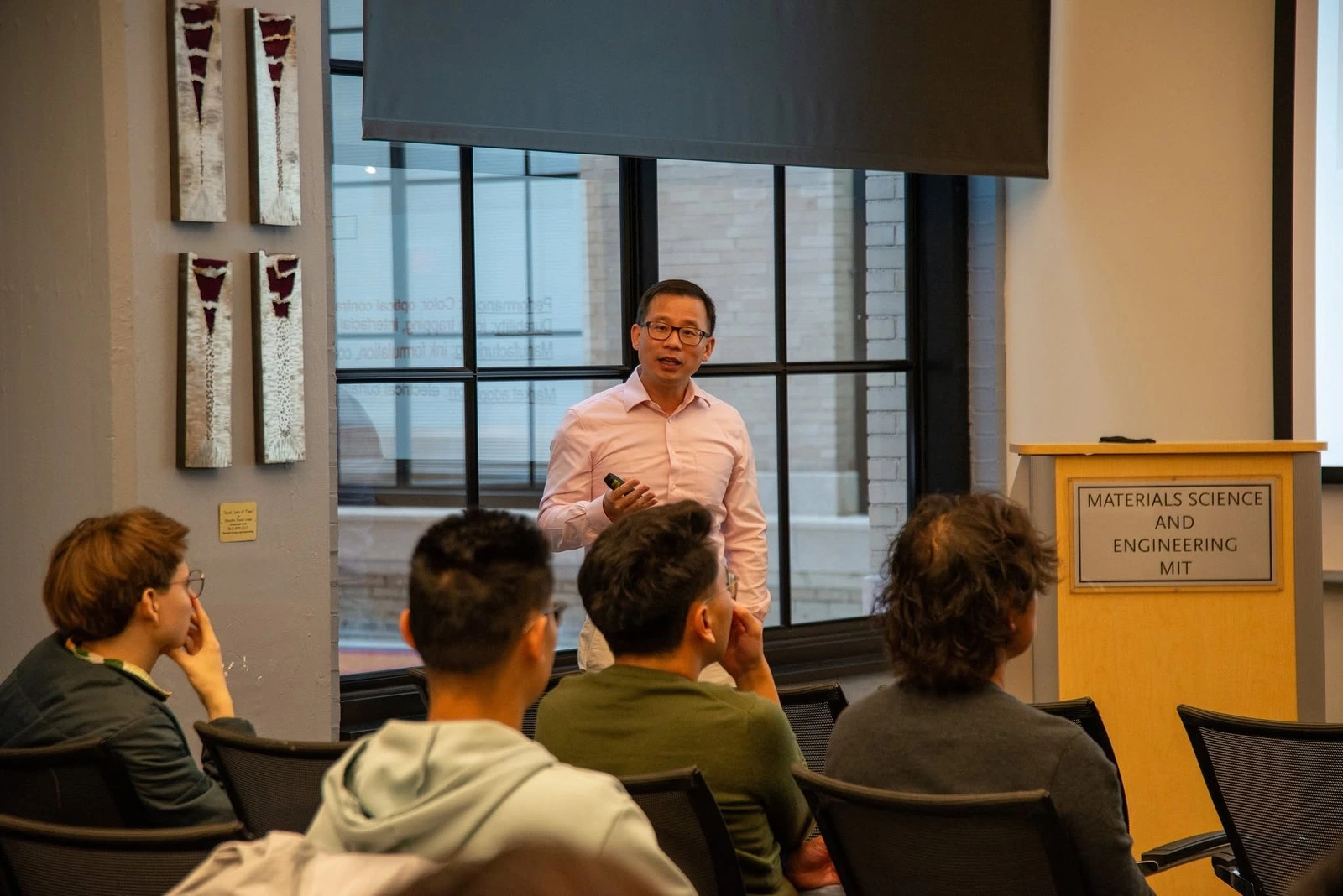

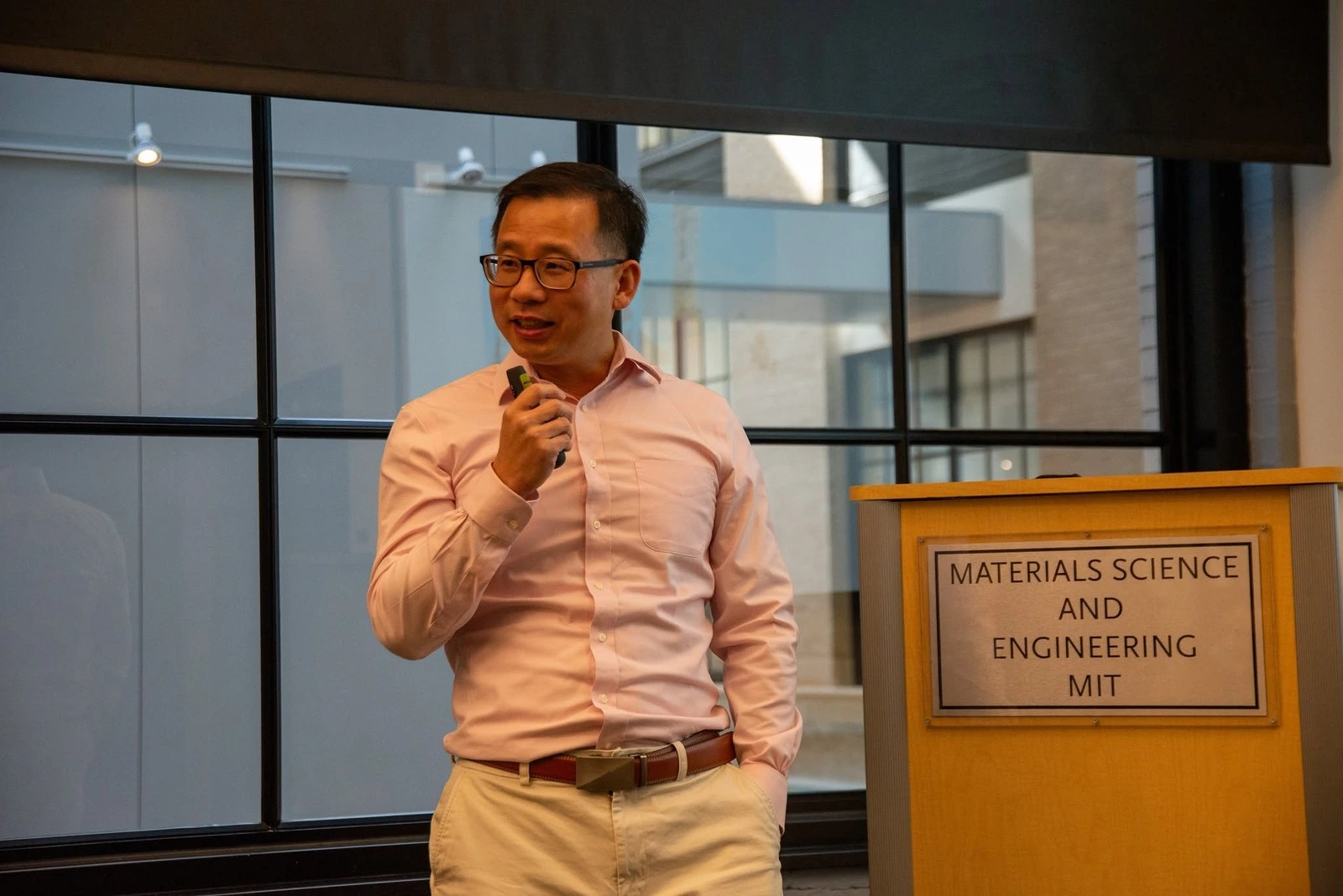
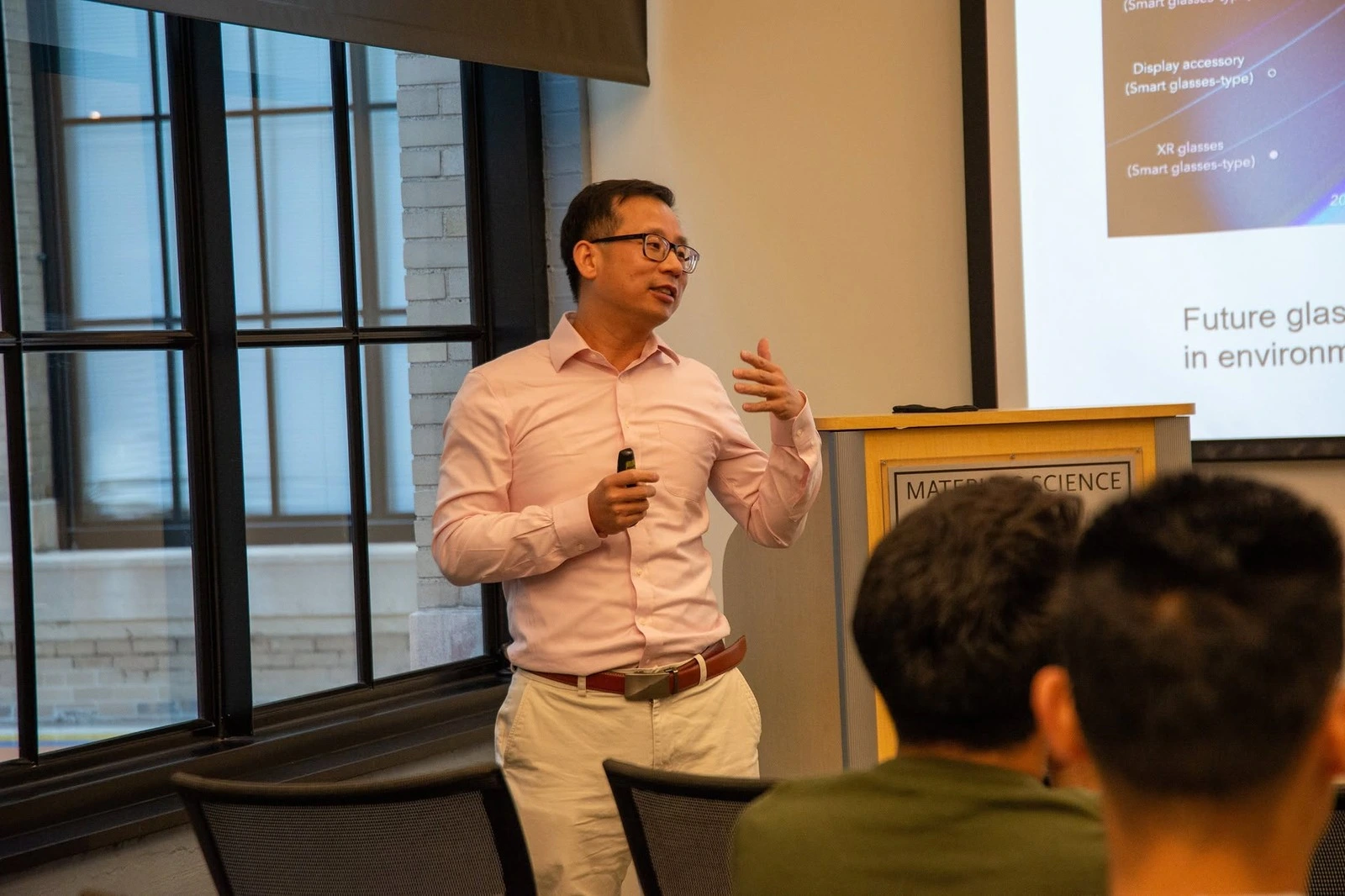
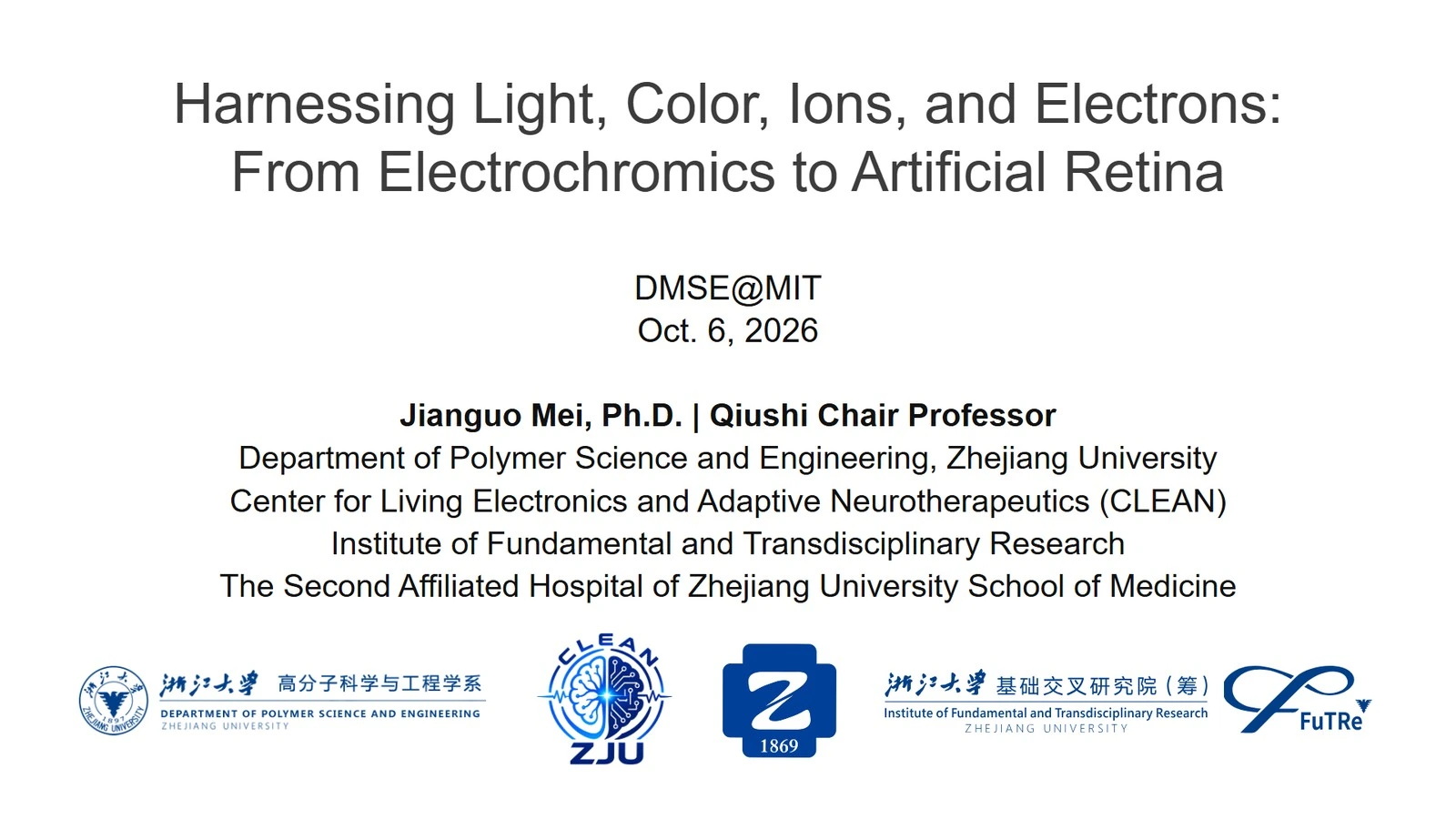
Prof. Jianguo Mei gave the talk “Harnessing Light, Color, Ions, and Electrons: From Electrochromics to Artificial Retina” in the MSE Seminar Series of the Department of Materials Science and Engineering (DMSE) at MIT. He highlighted technologies rooted in the precise control of light, color, ions and electrons: electrochromic technology, which Ambilight Inc. has brought to electric vehicles and consumer electronics through roll-to-roll manufacturing, and living electronics, from organic eyes that mimic human vision to electronics that form and work inside living neural tissue. The talk also followed n-PBDF from its unexpected discovery and scalable synthesis to its uses in flexible electronics and bioelectronics.
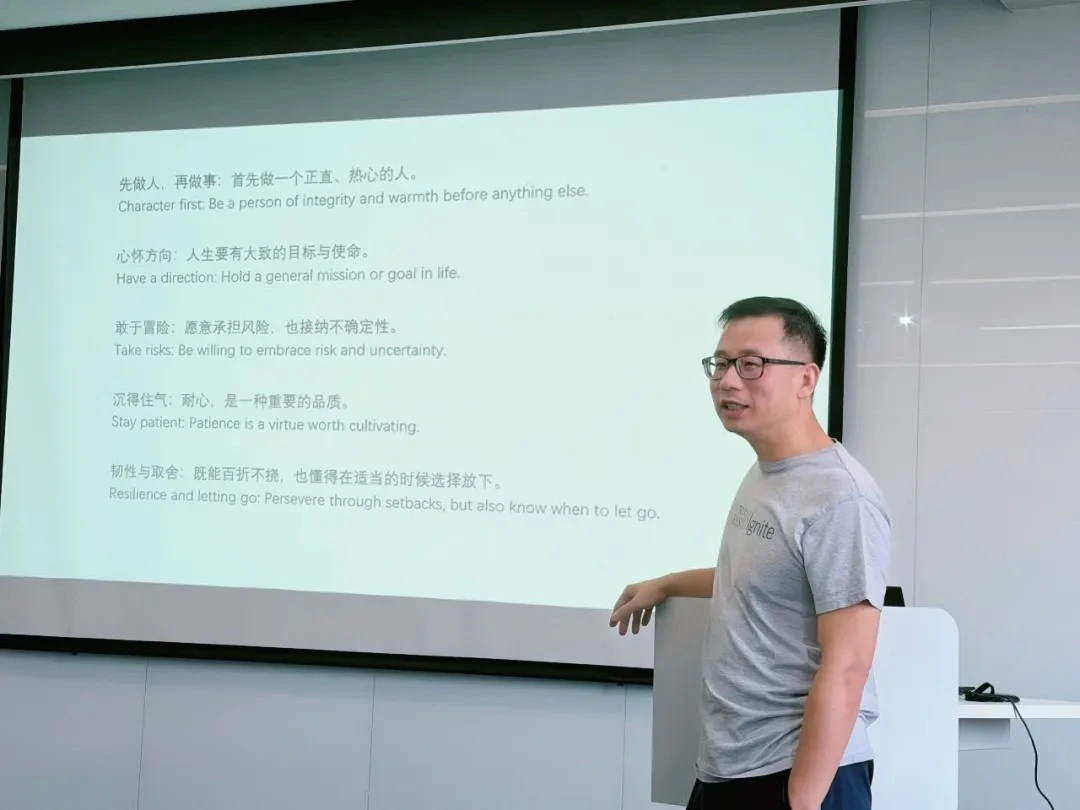
Qiushi Chair Professor Jianguo Mei delivered the inaugural lecture of the “Gaojuhui” Distinguished Lecture Series on the morning of September 21, 2026, following the launch of the Faculty Development Center of the Department of Polymer Science and Engineering, Zhejiang University. Drawing on his years at Purdue University, he shared principles that have guided his independent research: being a gentleman first, having a goal, being willing to take risks, staying patient, and balancing resilience with knowing when to let go. During the discussion, junior faculty asked about teaching and mentoring, choosing research directions, and collaboration among industry, universities and research institutes. Prof. Mei answered their questions and shared his experience in research and education.
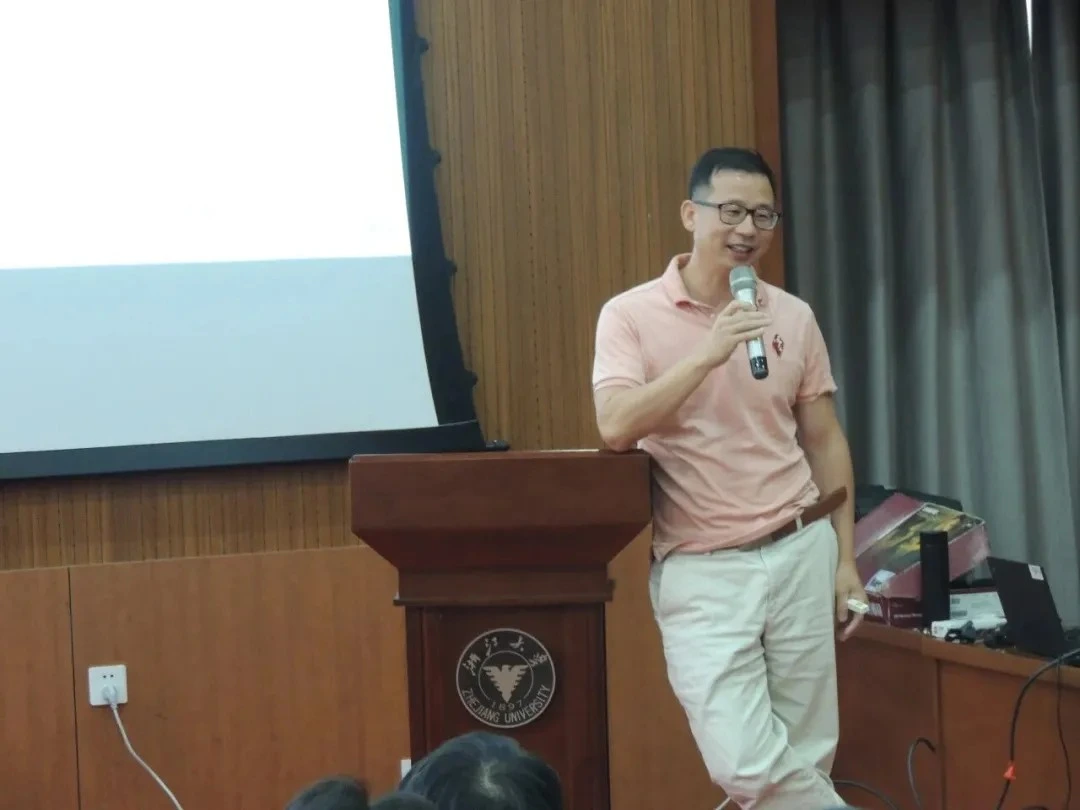
Qiushi Chair Professor Jianguo Mei gave a talk titled “Conjugated Polymers: An Endless Future” at the “Exploring Polymers” undergraduate mentor meeting of the Department of Polymer Science and Engineering, Zhejiang University on the afternoon of September 18, 2026, in Building 6, Hetongyuan. Using artificial retinas, living electronics and metal-level electrical conductivity as examples, he illustrated the possibilities of conjugated polymers in frontier technologies. He encouraged students to ask what conjugated polymers cannot do, rather than what they can do. See the event report (in Chinese).
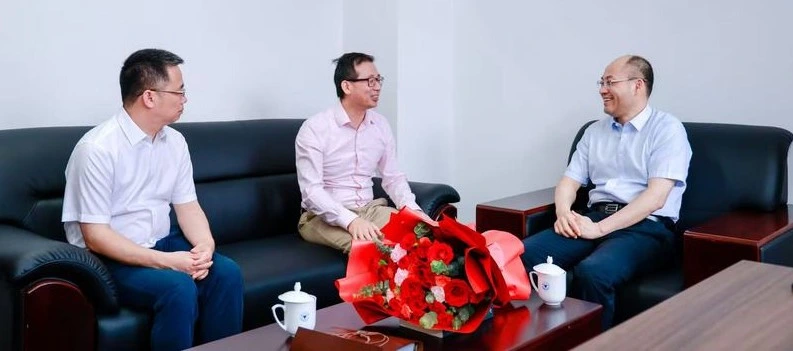
Ahead of China’s 42nd Teachers’ Day, Zhejiang University Party Secretary Ren Shaobo and President Ma Yanming visited four faculty representatives. Prof. Jianguo Mei of the Department of Polymer Science and Engineering is one of the university’s faculty representatives. They appreciated their contributions to the university. They heard about Mei’s teaching, research and his work on turning research into applications. Prof. Mei thanked the university for its support of frontline faculty. See the Zhejiang University News report (in Chinese).
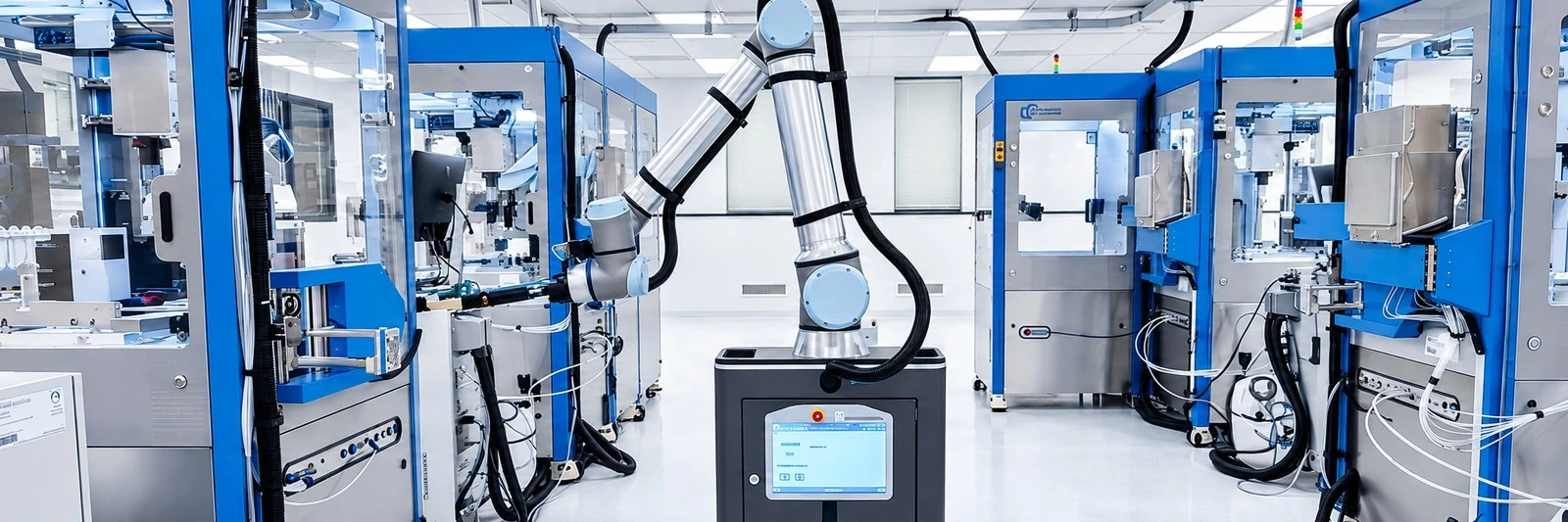
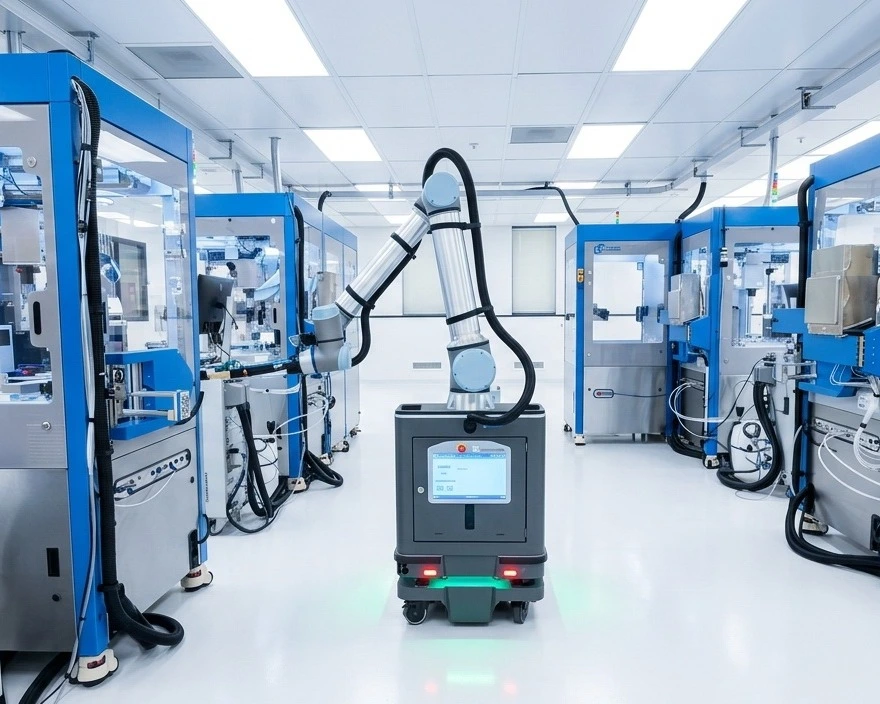
With the final installation of its mobile robot, the automated chemical and materials discovery system is now fully operational in the Department of Chemistry at Purdue University. Delivered and installed after 18 months, the system has five modules: powder handling, liquid handling, reaction operation and purification, film coating and characterization, and the mobile robot, whose futuristic design symbolizes the convergence of chemistry, engineering, robotics and artificial intelligence. Once it is finely tuned, the system will serve as a shared facility for education and research, and interested colleagues on campus and beyond are welcome to visit or use it.
The system was made possible through a generous gift from Ambilight Inc., with support from College of Science Dean Lucy Flesch, and the Department of Chemistry made the space available through the hard work of the Chemshop crew. Dr. Won-June Lee was instrumental in the planning stage, and Dr. Yuanhe Li is responsible for setting up the system and making it operational.
The milestone comes as Anthropic unveils Claude Science, an AI workbench for researchers, and Nobel laureate Omar Yaghi joins Tsinghua University to lead a new center for materials discovery: AI for science is already here.
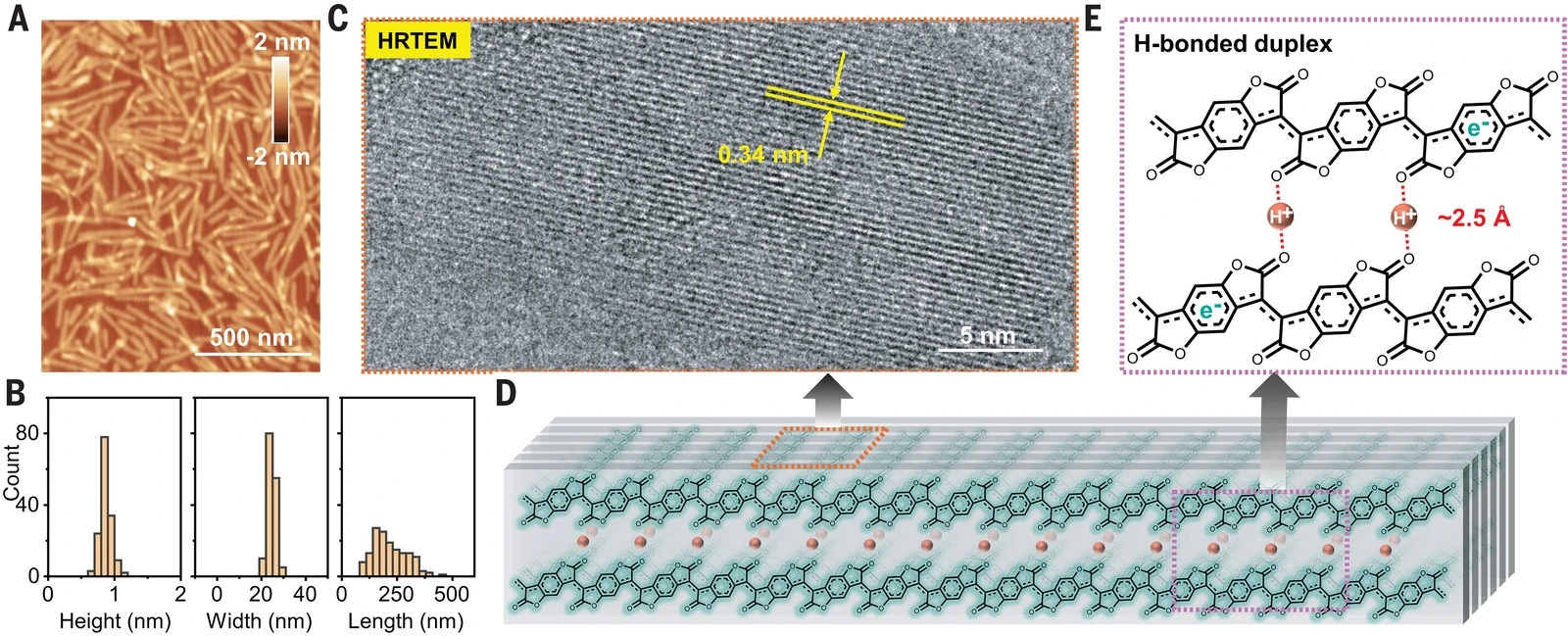
The group’s work on n-PBDF is published in Science, following its First Release in June. For nearly 50 years, researchers have sought polymers that combine the flexibility and processability of plastics with the electrical performance of metals, and the disorder of soft, constantly fluctuating polymer chains has been one of the greatest obstacles. Rather than forcing the chains into alignment through post-processing, this work shows that long-range order can emerge on its own while the polymer grows, a process named polymerization-driven spontaneous assembly (PSA). In n-doped poly(benzodifurandione) (n-PBDF), chain growth, doping and assembly proceed cooperatively: the polymer forms nanoribbons about 0.87 nm thick and 25 nm wide, its chains stay extended over hundreds of nanometers, and aligned thin films conduct at more than 10,000 siemens per centimeter, which rivals metal nanofilms. The paper provides the first experimentally validated molecular model for this new class of highly conductive polymers and raises the next question: how this molecular organization gives rise to coherent electronic transport. With its collaborators, the group has now published eighteen papers on n-PBDF, each answering one question and opening the next. Congratulations to Min Chen, Dongyang Wang and all coauthors, and thanks to co-corresponding author Chong-an Di and to collaborators Kejie Zhao, Lucas Flagg and Julia Laskin.
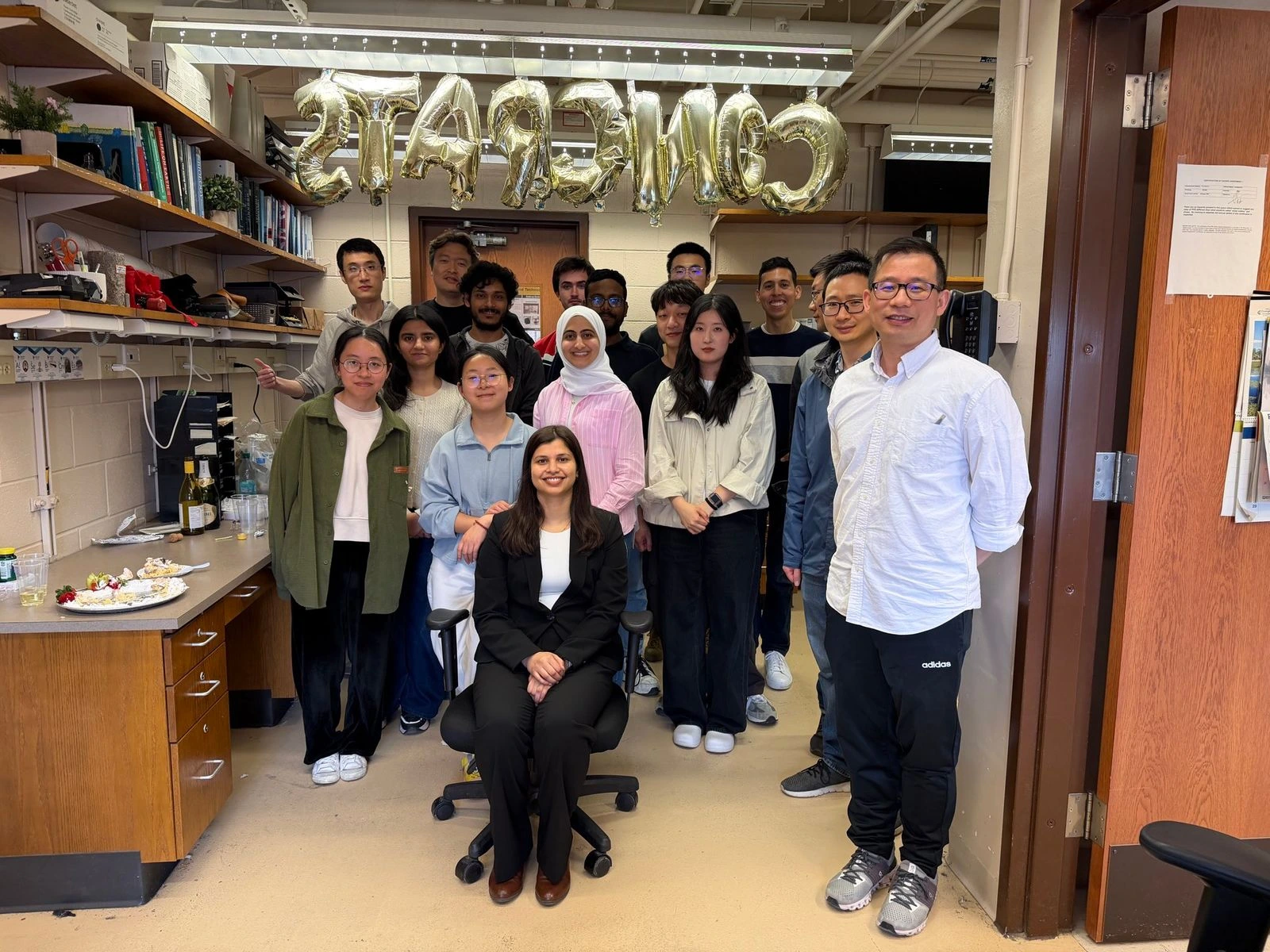
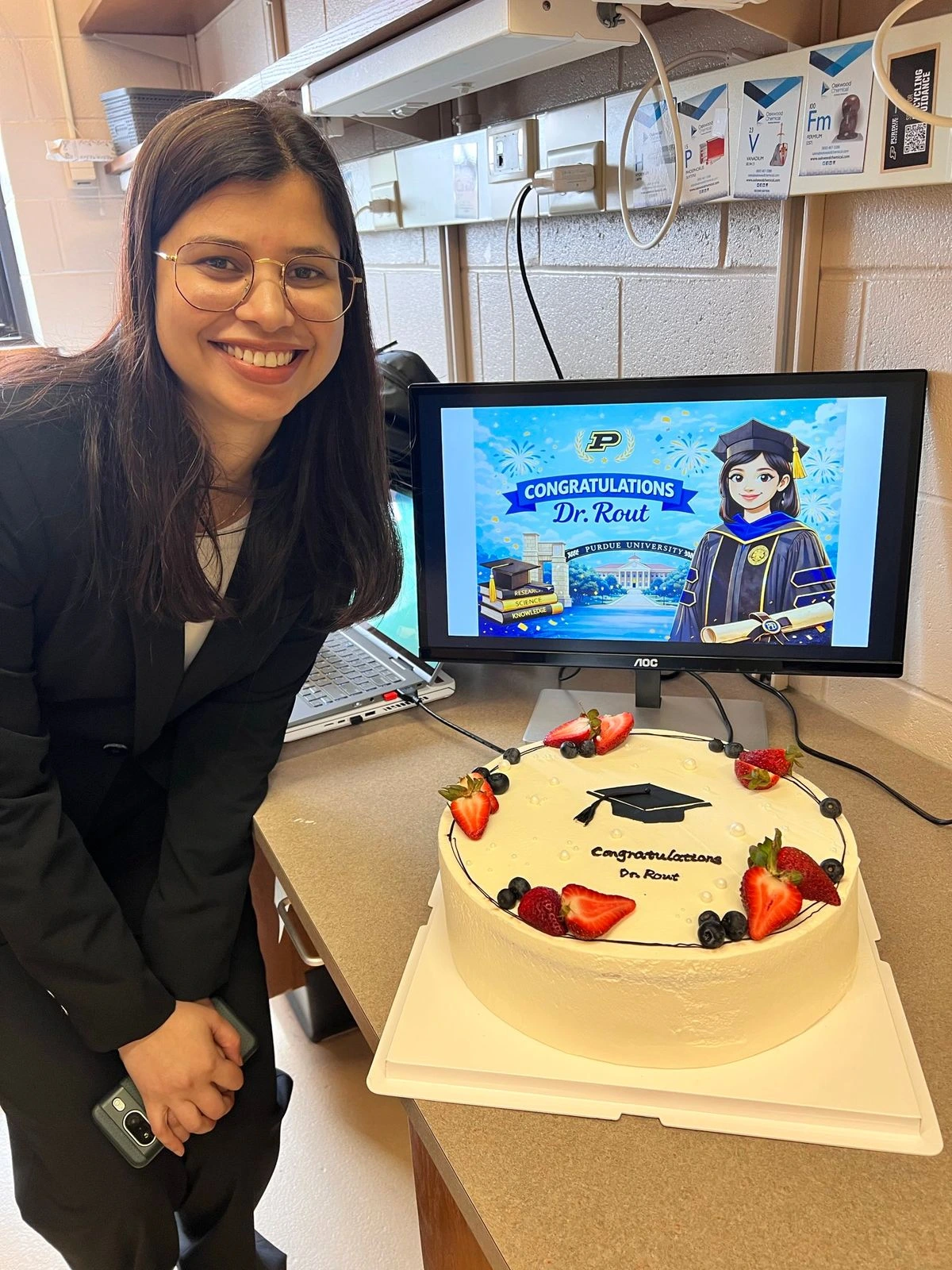
Congratulations to Dr. Priyanka Rout, the group’s 19th Ph.D. graduate.
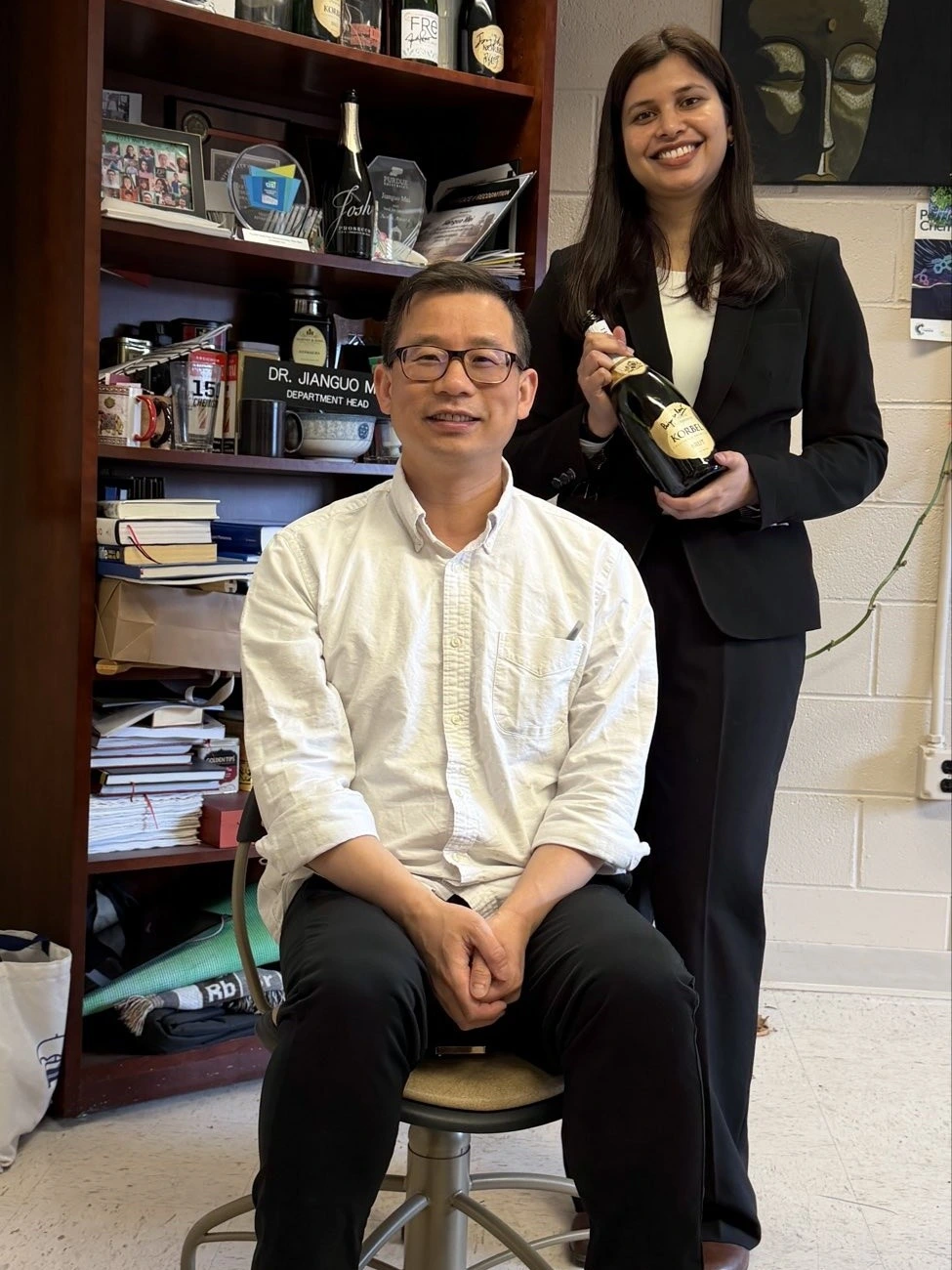
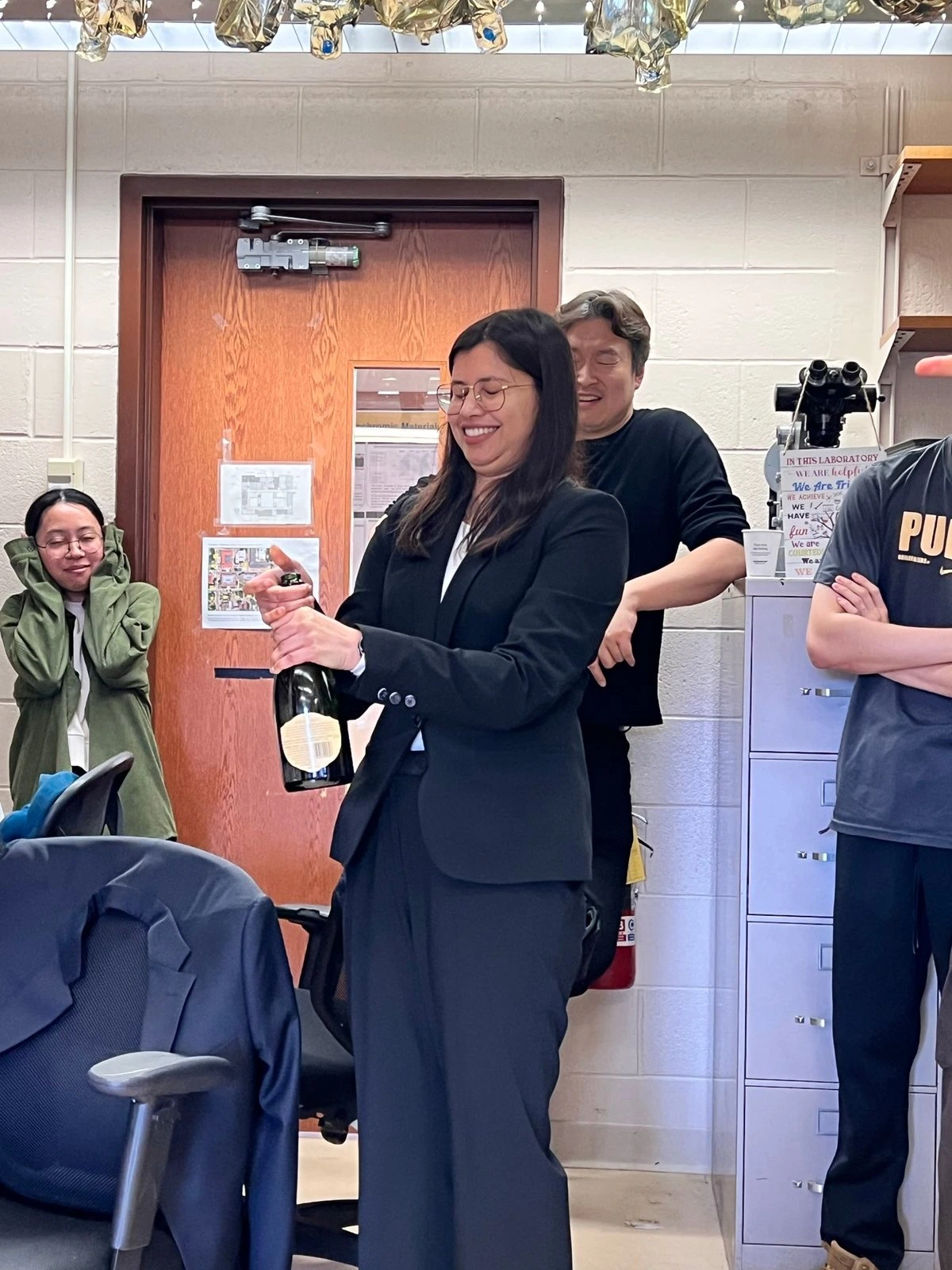

Prof. Jianguo Mei gave a seminar at University of New Hampshire.
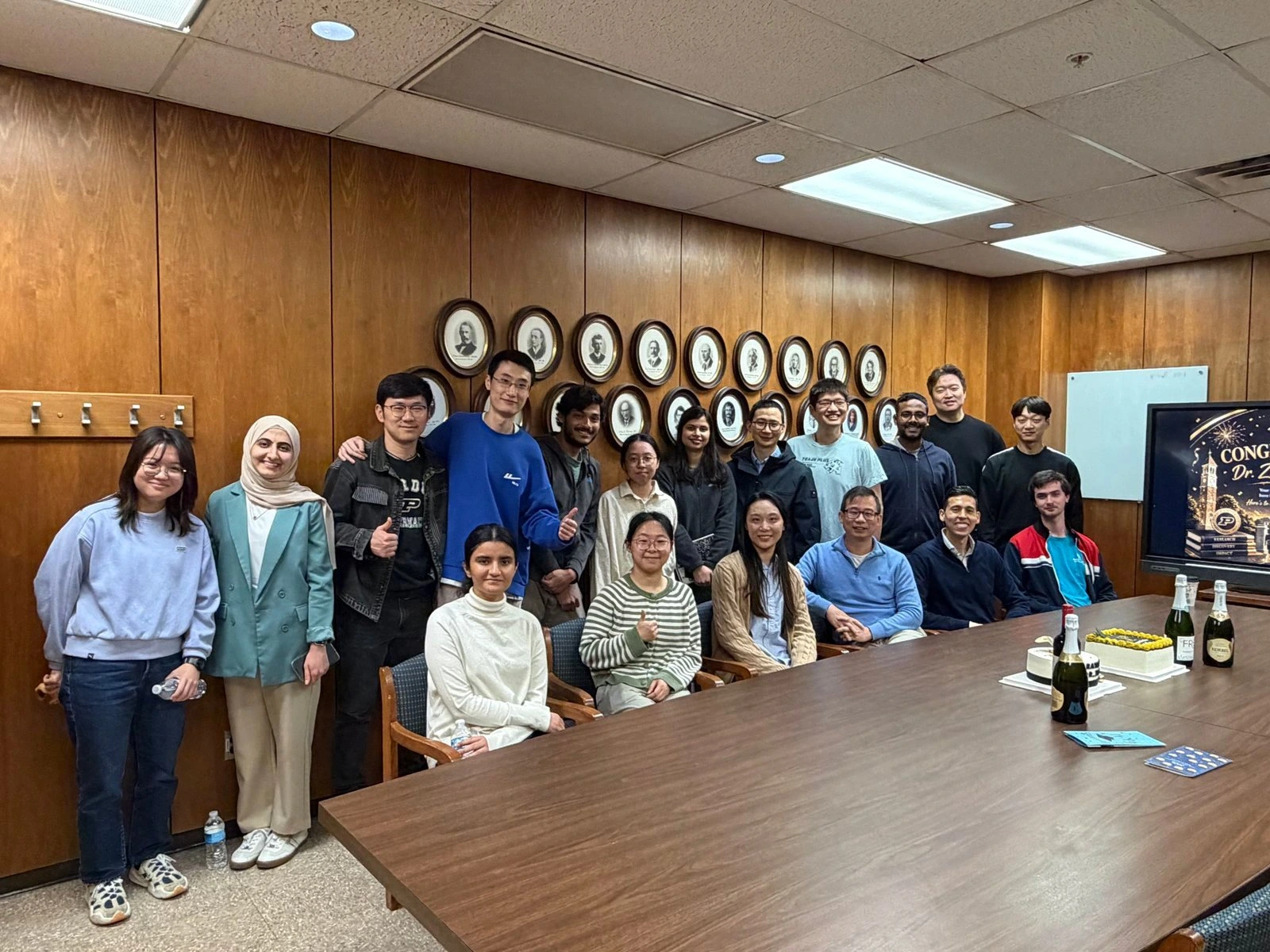
Congratulations to Dr. Joseph Romo and Dr. Jianing Zhou, the group’s 17th and 18th Ph.D. graduates.
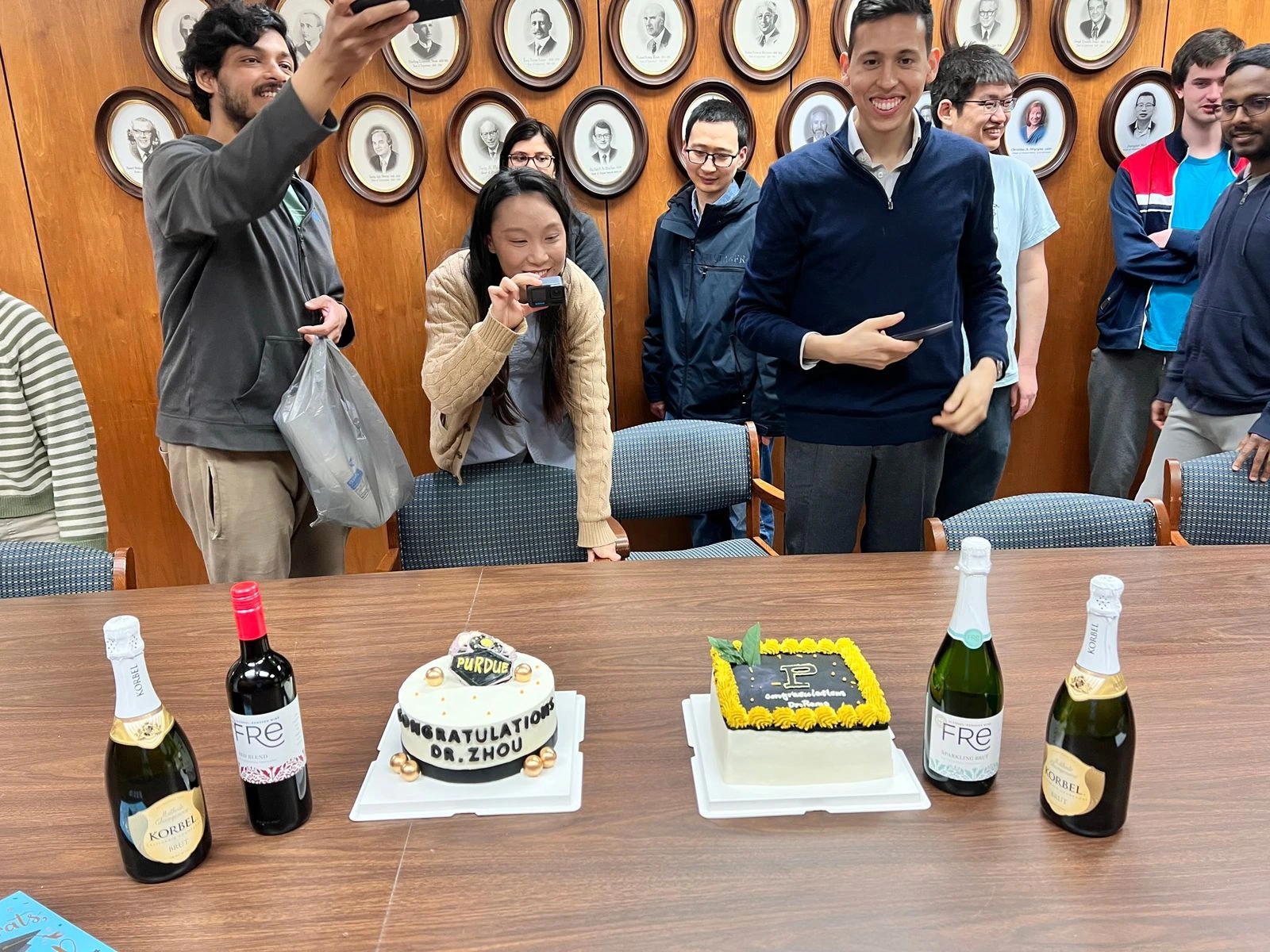
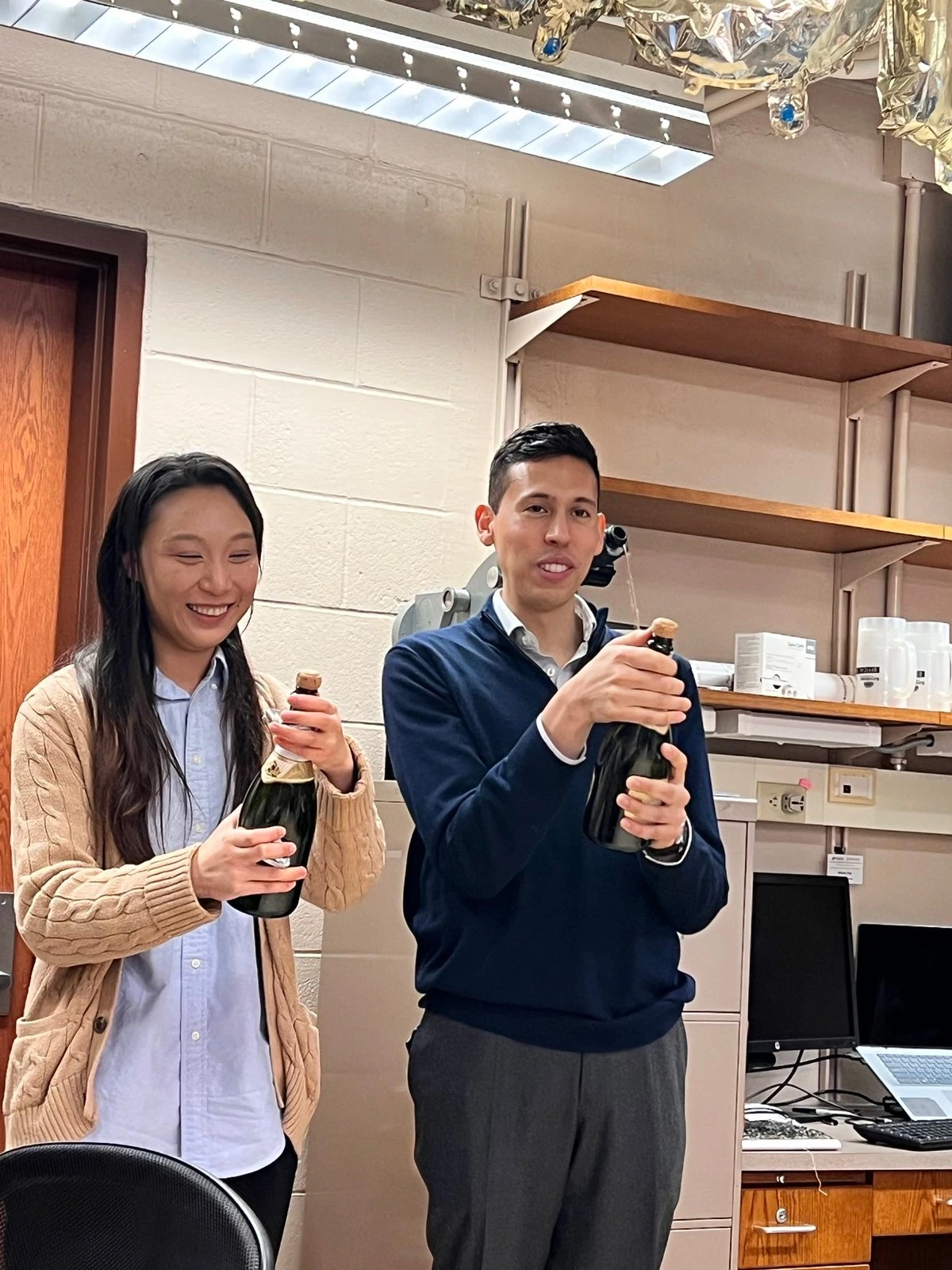

Prof. Jianguo Mei gave the talk “From Electrochromics to Artificial Retina: Harnessing Light, Color, Ions and Electrons” in the Materials Science Seminar at Yale University. He discussed electrochromic technologies and Organic Eyes, which aim to emulate the human visual system and the brain. He also described how n-doped poly(benzodifurandione) (n-PBDF) progressed from discovery and scalable synthesis to flexible circuits and bioelectronics, connecting fundamental research with technological applications.

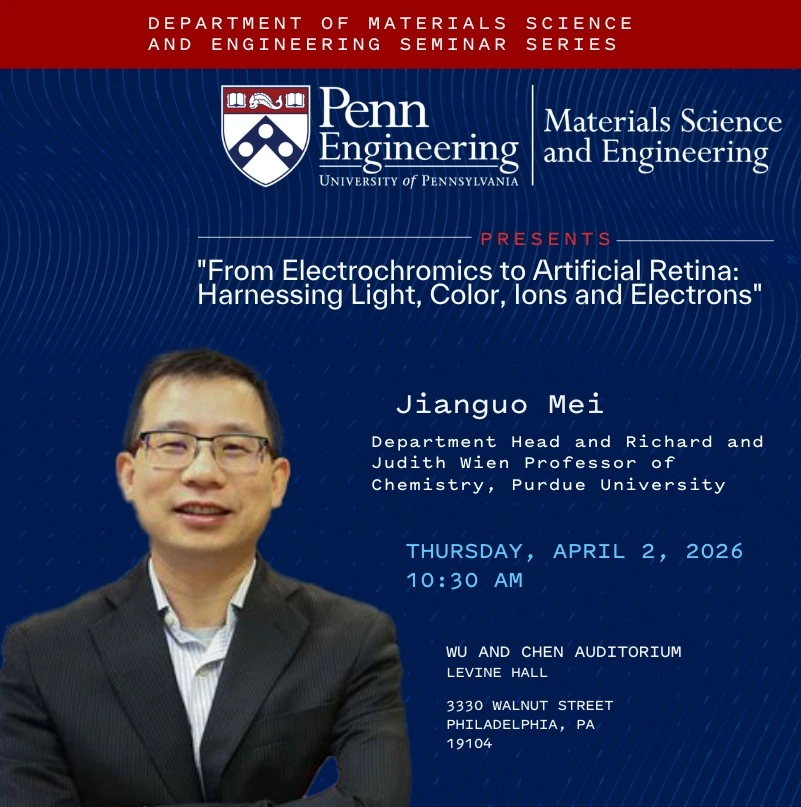

Prof. Jianguo Mei gave the talk “From Electrochromics to Artificial Retina: Harnessing Light, Color, Ions and Electrons” for Materials Science and Engineering at the University of Pennsylvania, in Wu & Chen Auditorium, Levine Hall.
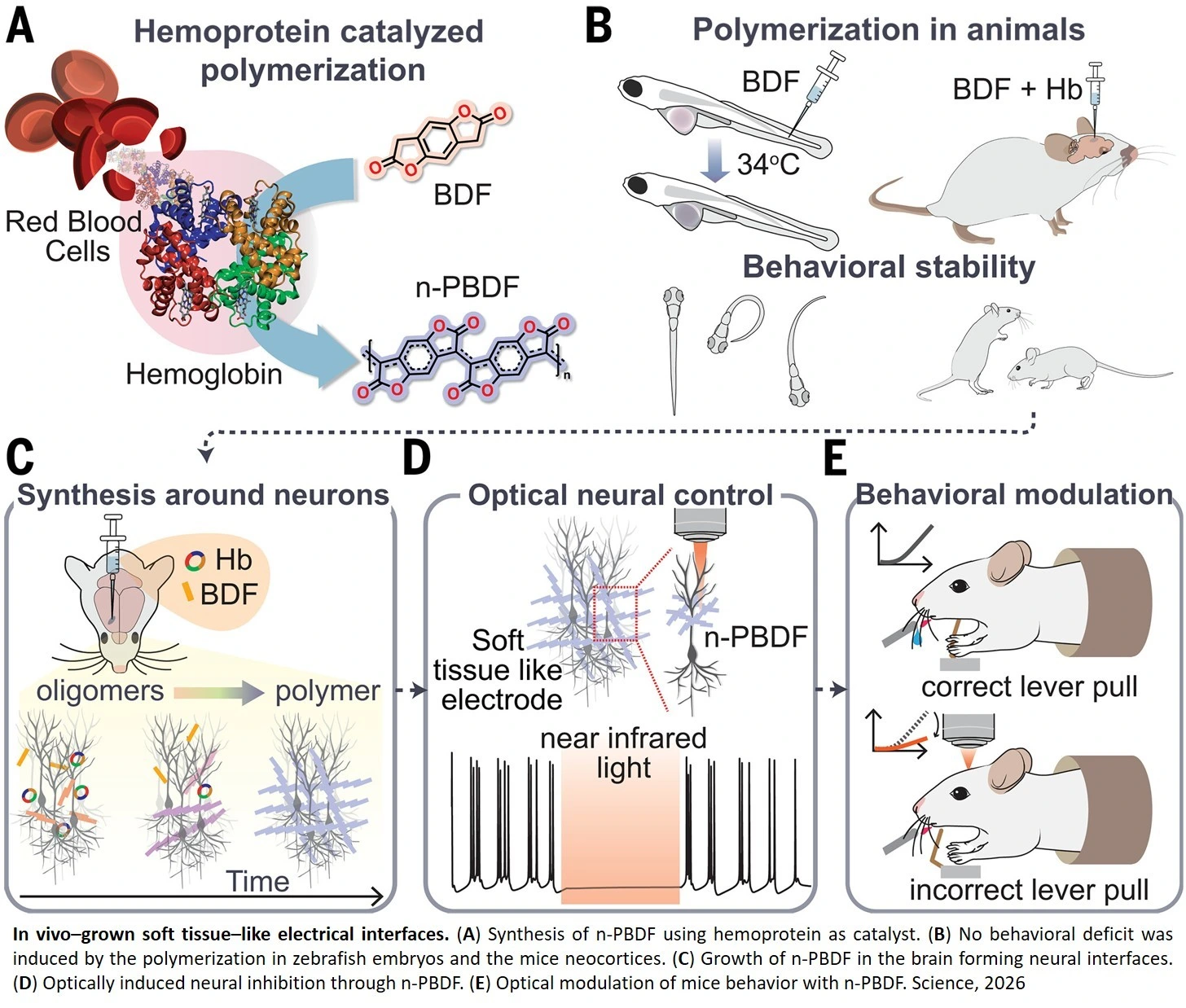
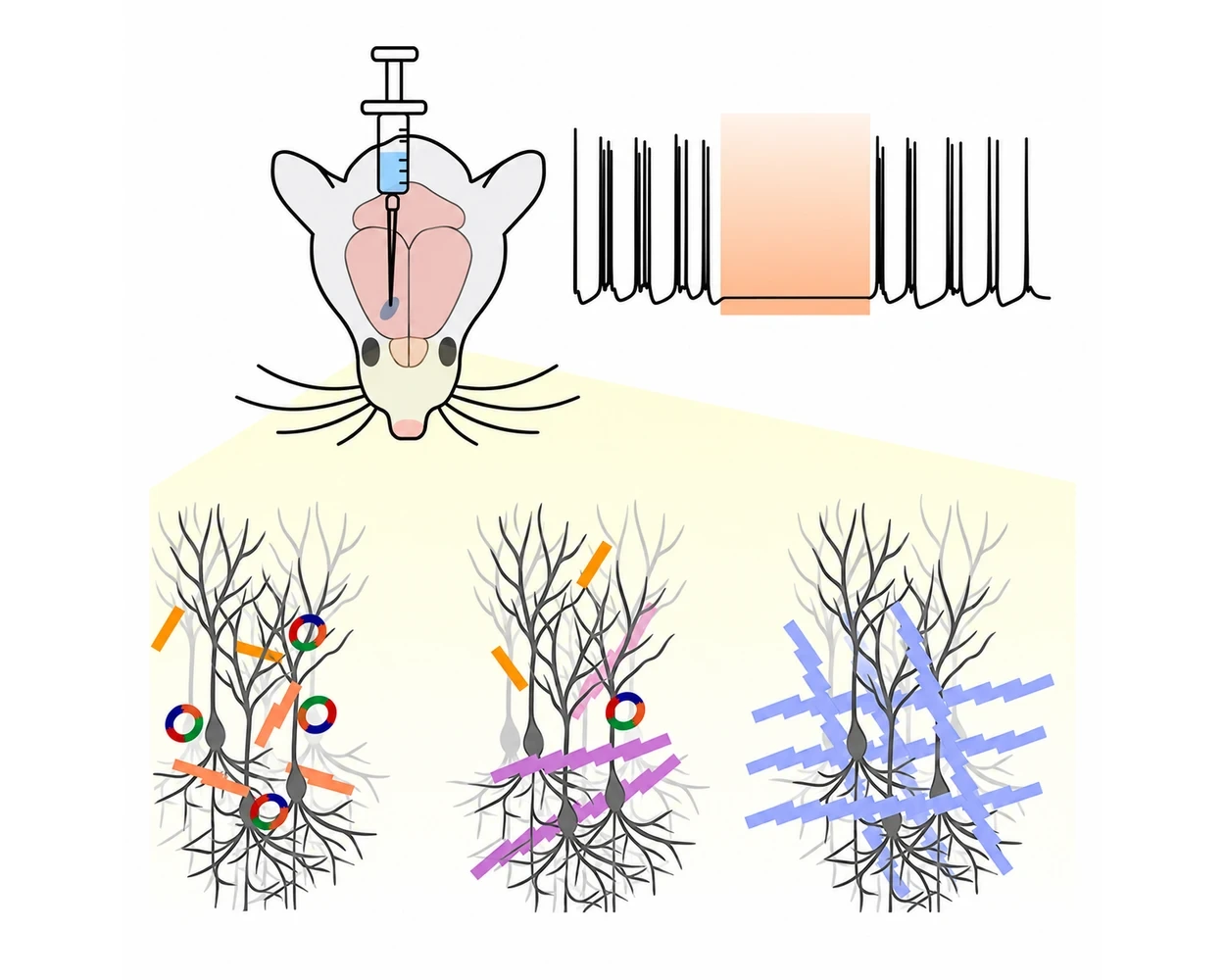
The group’s work on blood-catalyzed n-doped polymers is published in Science, together with a Perspective. After the monomer is injected, hemoproteins in the blood, such as hemoglobin, catalyze its polymerization into the conducting polymer n-PBDF inside living zebrafish and mice. The soft polymer grows in place and integrates with neurons. Near-infrared light then silences neuronal activity briefly and reversibly, with millisecond precision, and the animals show no signs of toxicity or brain inflammation. The idea came about four and a half years ago. It took one year to find a researcher, Sanket Samal, willing to take on the risk and the challenge, another year to reach the synthetic goal, and a further year and a half for the neural experiments by Shulan Xiao and the associated validations. The project brought together chemistry, biochemistry, neuroscience, pharmacology and biomedical engineering, in collaboration with Krishna Jayant’s group at Purdue. Congratulations to Sanket Samal, Shulan Xiao and all coauthors, and thanks to the editor and the reviewers who helped shape the paper.
News coverage: Phys.org, Purdue News, Purdue Engineering, GEN Magazine, BioEngineer and Chemical & Engineering News.
Prof. Jianguo Mei gave a seminar at Boston College.
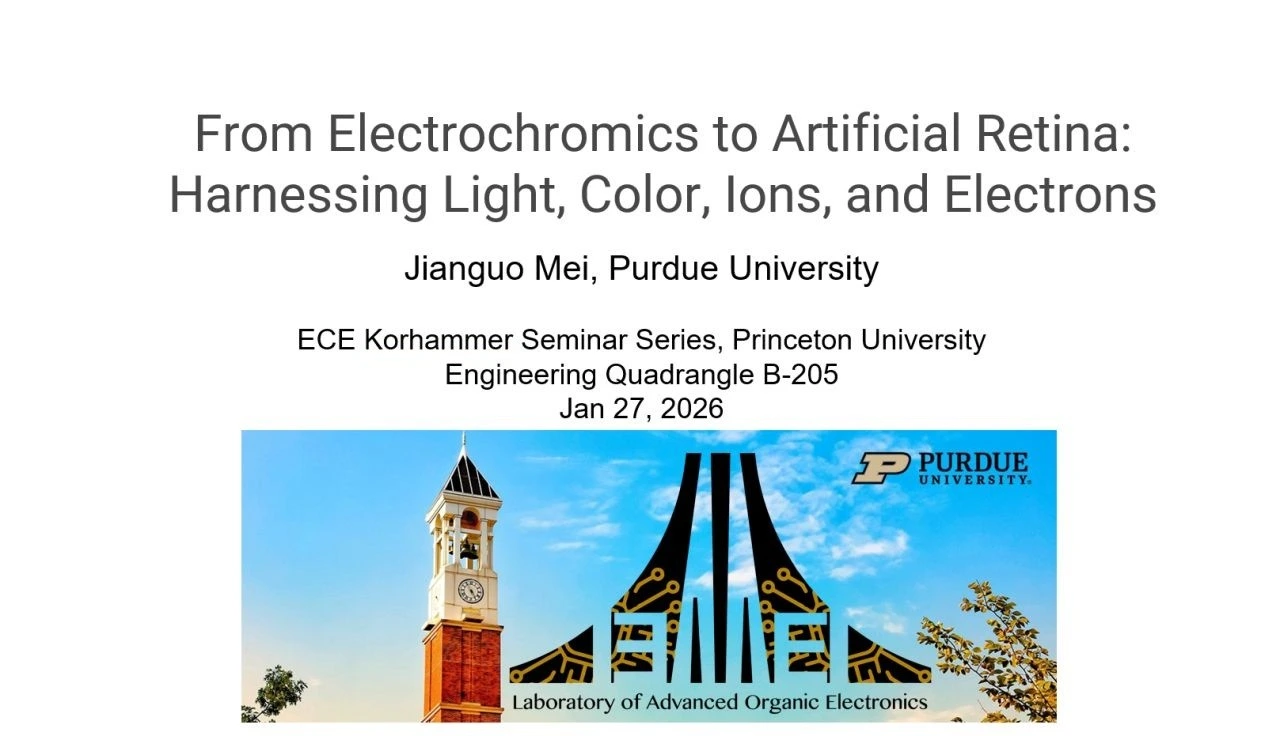

Prof. Jianguo Mei gave the talk “From Electrochromics to Artificial Retina: Harnessing Light, Color, Ions and Electrons” in the ECE Korhammer Seminar Series at Princeton University. He discussed flexible electrochromic films commercialized through Ambilight Inc. using roll-to-roll manufacturing, and Organic Eyes, artificial vision systems inspired by the human visual system. The talk also traced n-doped poly(benzodifurandione) (n-PBDF) from its discovery and scalable synthesis to applications in flexible circuits and bioelectronics, and made the case that organic semiconductors can be superior to inorganic ones for bioelectronics. The seminar room was full of students and faculty, who stayed engaged and curious during and after the talk, and a former undergraduate researcher of the group also attended. Many thanks to Barry Rand, Iain McCullough, Antoine Kahn, Richard Register, Sigurd Wagner, Emily Davidson, Saien Xie, Jyotirmoy Mandal and all the hosts at Princeton.
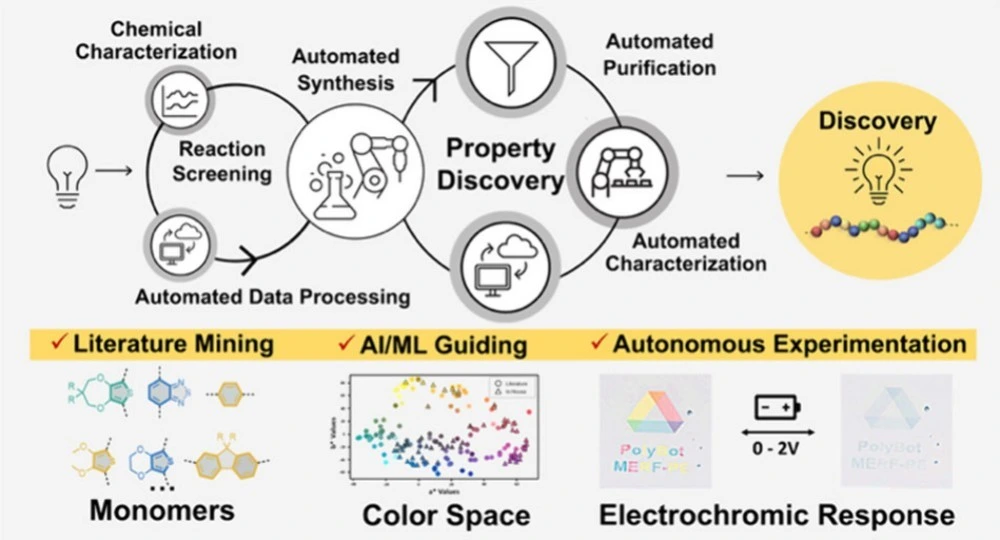
The group’s autonomous synthesis and inverse design of electrochromic polymers is published in the Journal of the American Chemical Society. Designing and producing these polymers has traditionally been slow and labor-intensive. Polybot, built at Argonne National Laboratory, speeds this up by combining AI-driven data analysis, machine learning models and automated laboratory equipment. In a double-loop design strategy, AI suggests the best chemical combinations and synthesis conditions, and robots carry out the experiments, analyze the results and feed the data back to the AI for further refinement. Within 72 hours, Polybot created new polymers with specific colors, including challenging shades such as green. The team also built a publicly accessible database and interactive tools to share the findings with the field. The collaboration with Jie Xu at Argonne began more than three years earlier, and first author Yukun Wu spent most of his Ph.D. at Argonne, working with Aikaterini Vriza and Henry Chan. Prof. Jianguo Mei sees the work as a step from Physical AI toward Physiological AI. Congratulations to Yukun Wu and all coauthors.
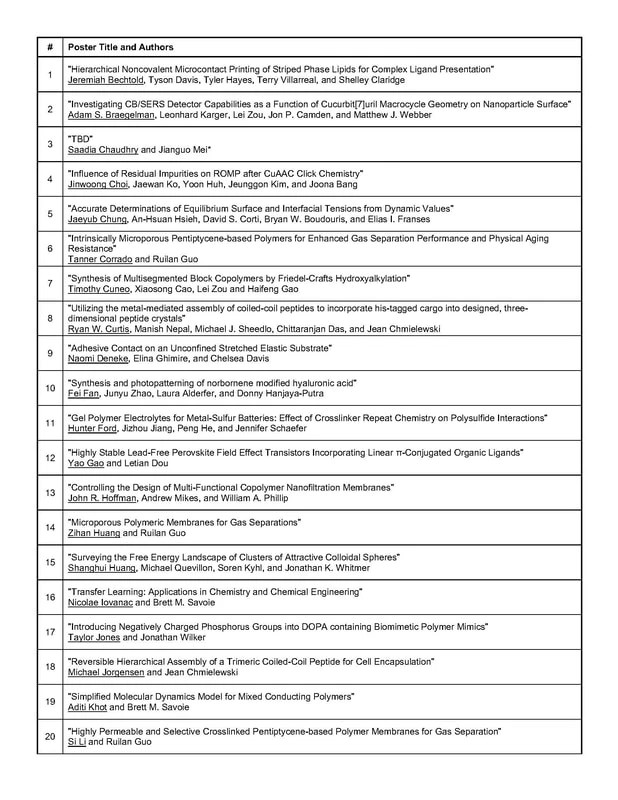
The 10th Notre Dame-Purdue Symposium on Soft Matter & Polymers was held at Purdue University. Since 2014 this annual meeting has brought together the faculty and students of the University of Notre Dame and Purdue University. The program included a keynote by Paul V. Braun of the University of Illinois Urbana-Champaign, talks by faculty, postdocs and graduate students, and an afternoon poster session. Prof. Jianguo Mei chaired the first session, and Sanket Samal of the group gave a talk.
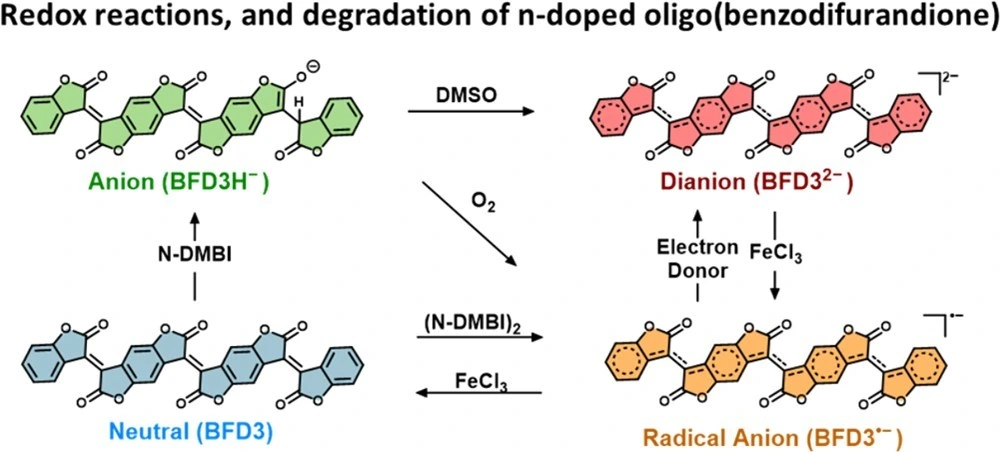
The group’s work on charge carrier reactivity, conversion and degradation in n-doped oligo- and poly(benzodifurandione) is published in Journal of the American Chemical Society. To understand the charged species in highly conductive n-PBDF, the researchers studied benzodifurandione oligomers and isolated three reduced forms of a newly synthesized trimer. Its radical anion and dianion behave similarly to polarons and bipolarons in the polymer. Optical, electrochemical and structural measurements reveal how these species interconvert, while mass spectrometry and absorption spectroscopy identify backbone degradation upon further reduction of the dianion. Similar reactions occur in n-PBDF, providing a molecular basis for controlling doping levels and limiting degradation. Congratulations to Jinhyo Hwang and all coauthors, and thanks to collaborators Julia Laskin, Jean-Luc Brédas, Stephen Barlow and Seth R. Marder.
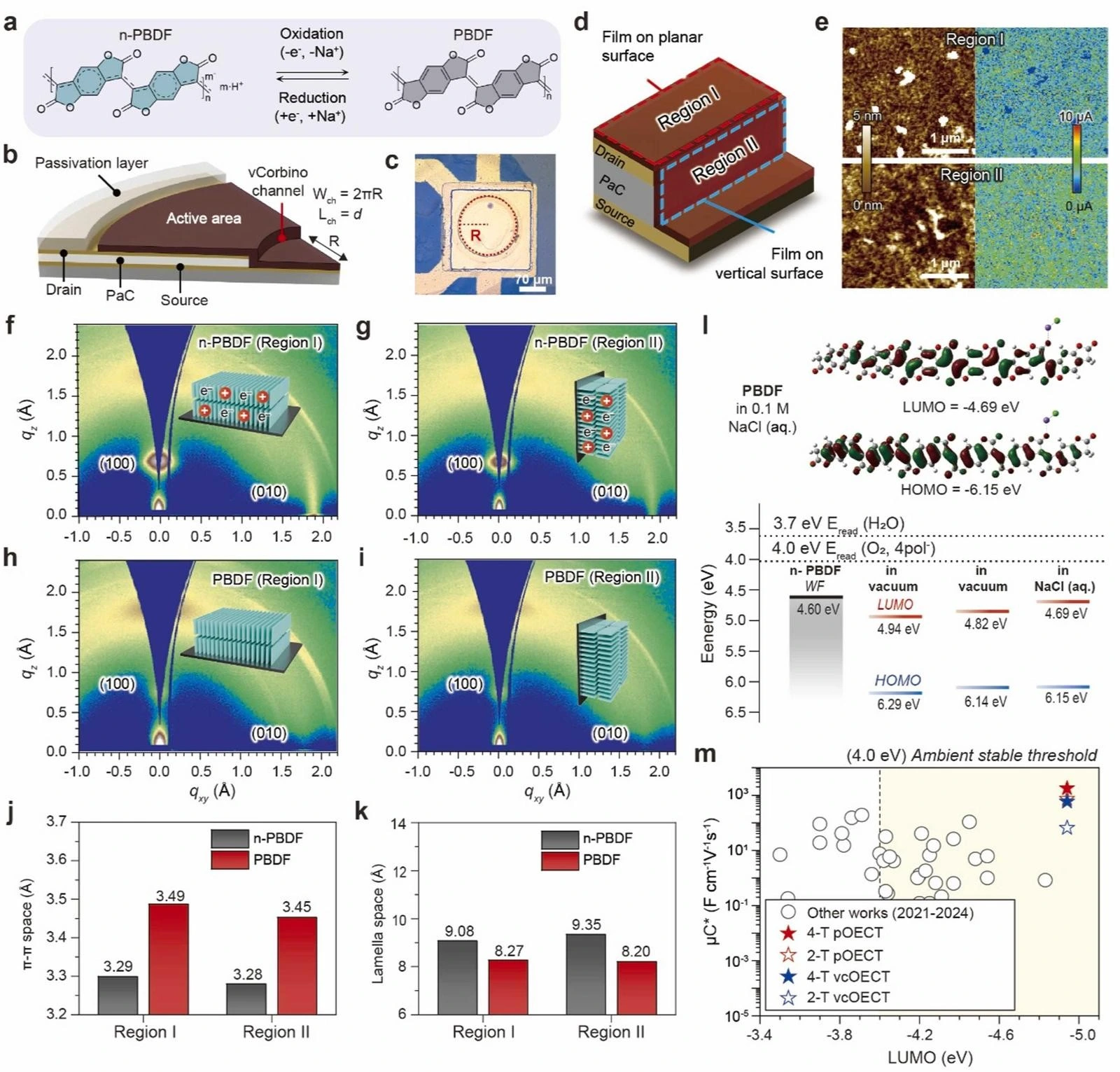
The group’s work on sterilizable vertical n-type organic electrochemical transistors for skin-conformal ECG monitoring is published in Materials Science and Engineering: R: Reports. The study combines n-doped poly(benzodifurandione) (n-PBDF) with a four-terminal vertical Corbino device architecture that reduces parasitic resistance and achieves a transconductance of 374 mS. The ultraflexible devices withstand ultraviolet and autoclave sterilization with negligible changes in performance. They record ECG signals at an operating voltage of 10 mV, with a signal-to-noise ratio of 38.1 dB over seven days. The work addresses electrical stability, sterilization and mechanical flexibility together for wearable biosignal monitoring. Congratulations to Ji Hwan Kim, Inho Lee, Won-June Lee and all coauthors, and thanks to collaborators Keehoon Kang and Sungjun Park.
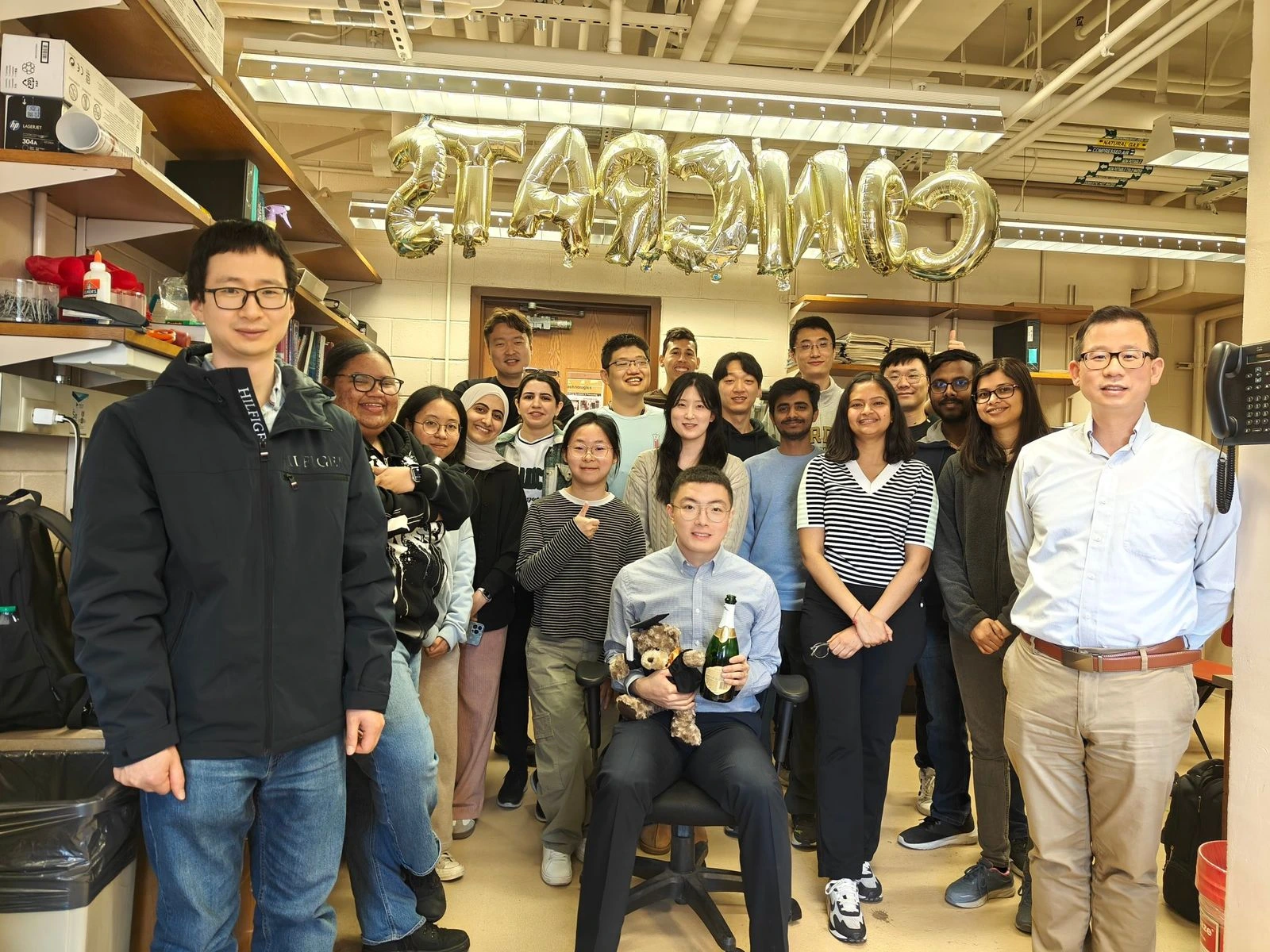
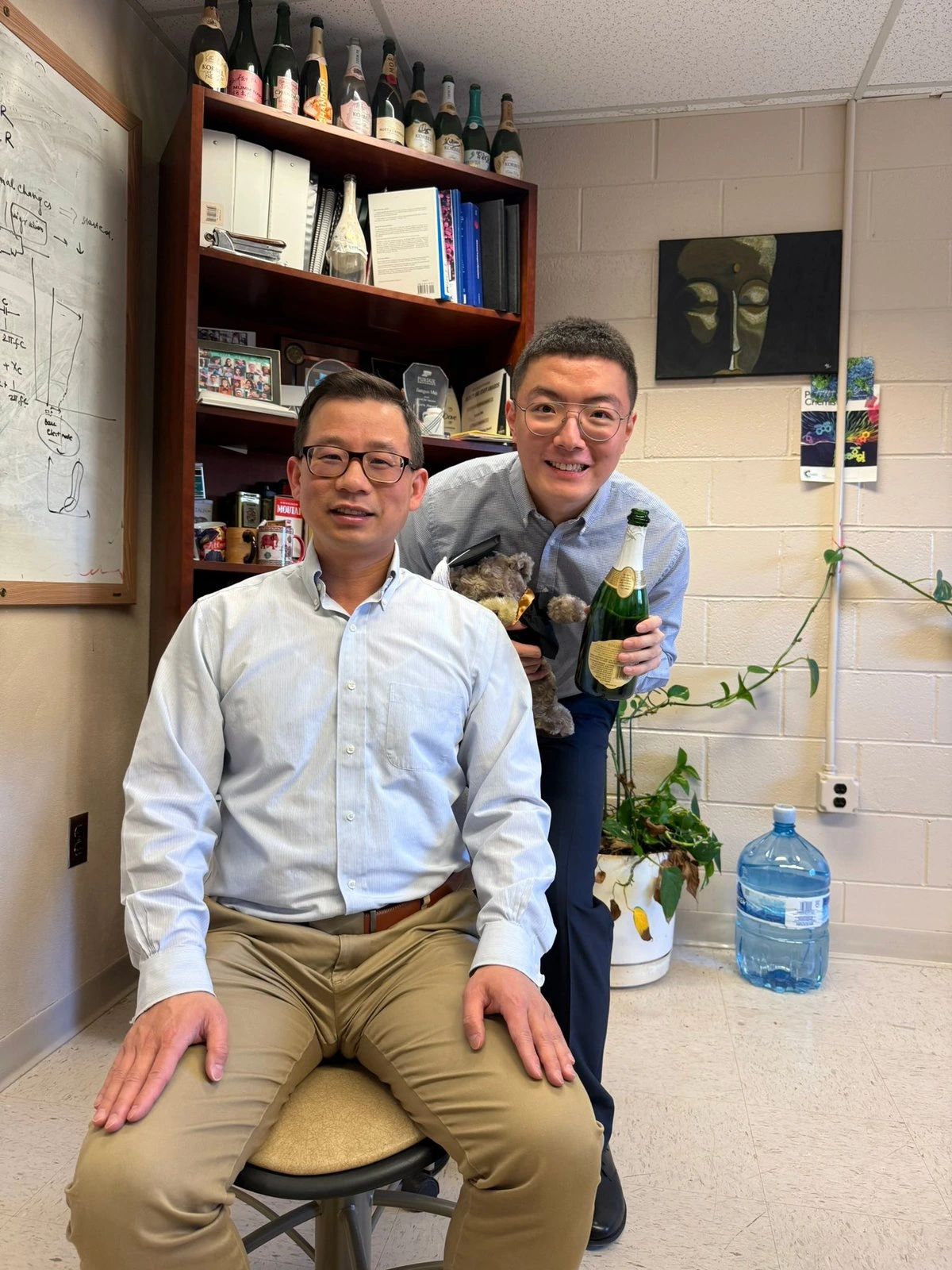
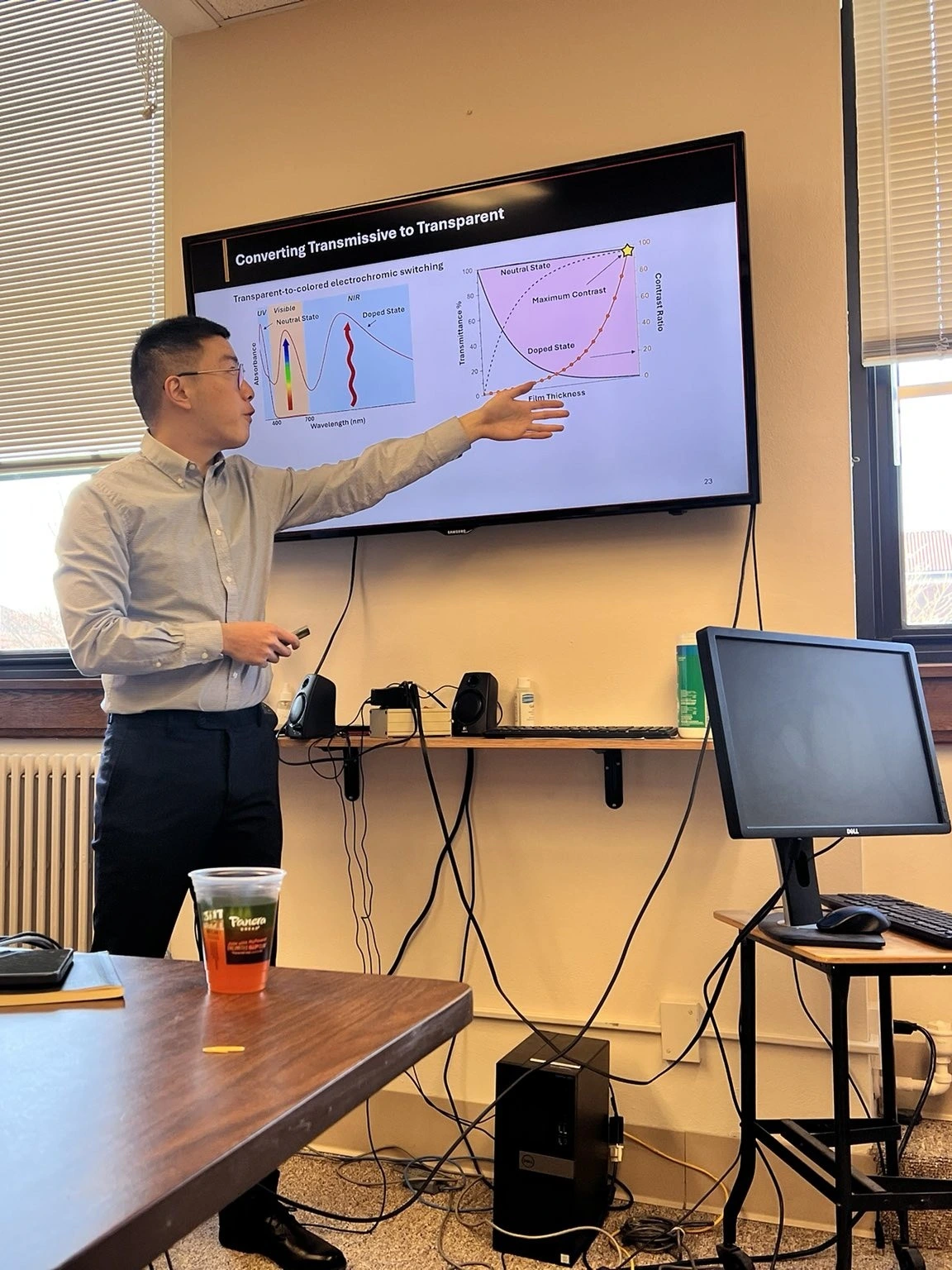
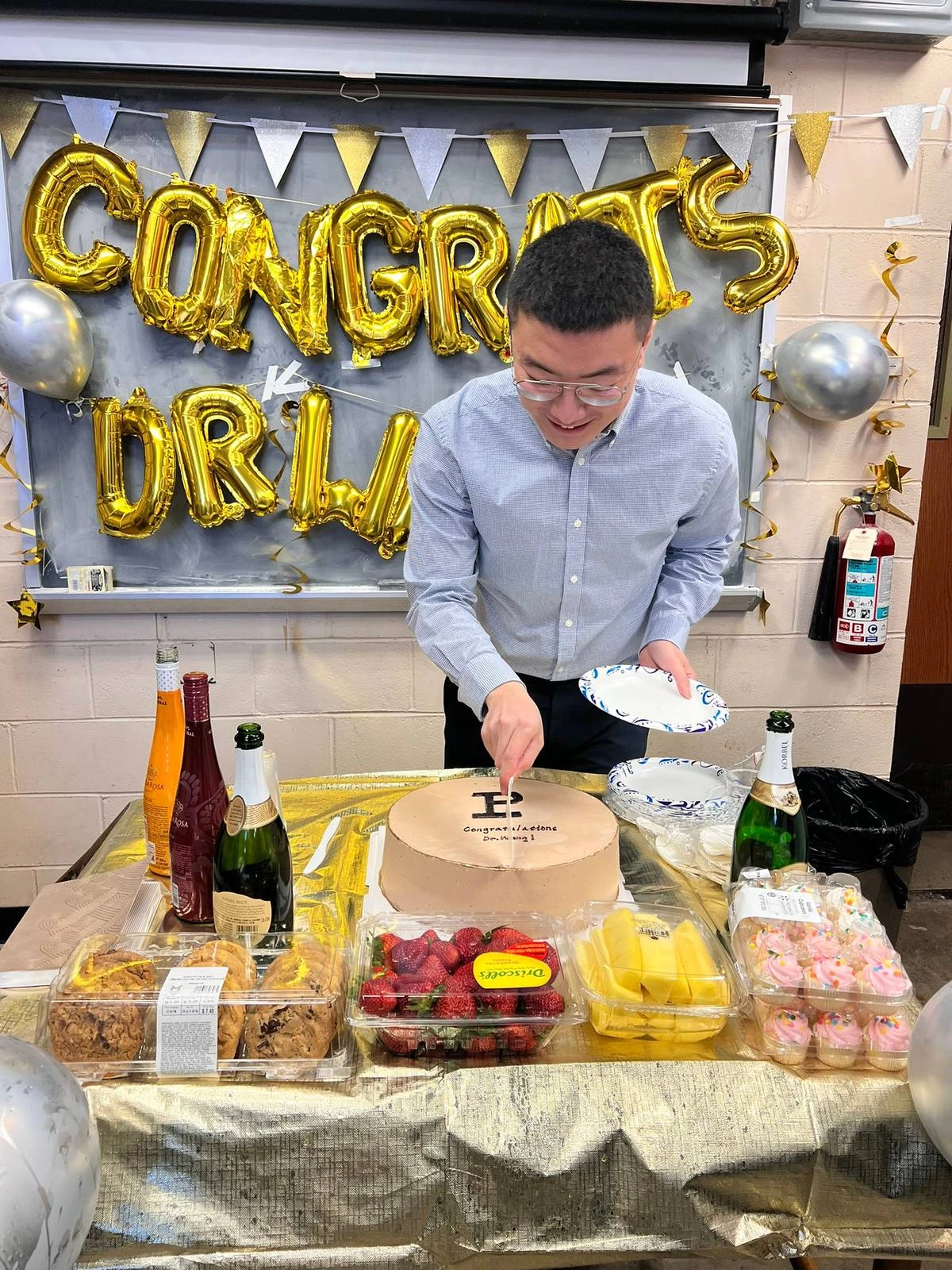
Congratulations to Dr. Zhiyang Wang, the group’s 14th Ph.D. graduate. He joined Purdue in the fall of 2019 after graduating from the Chemistry program at Indiana University Bloomington. His thesis focuses on high-contrast electrochromic polymers and devices. He will join Apple in Cupertino, California.
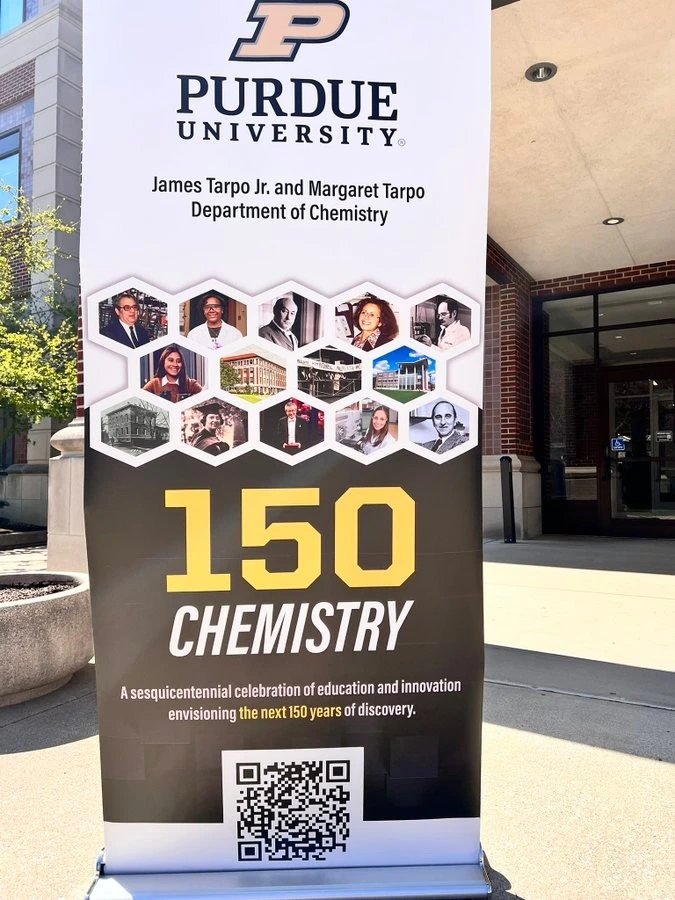
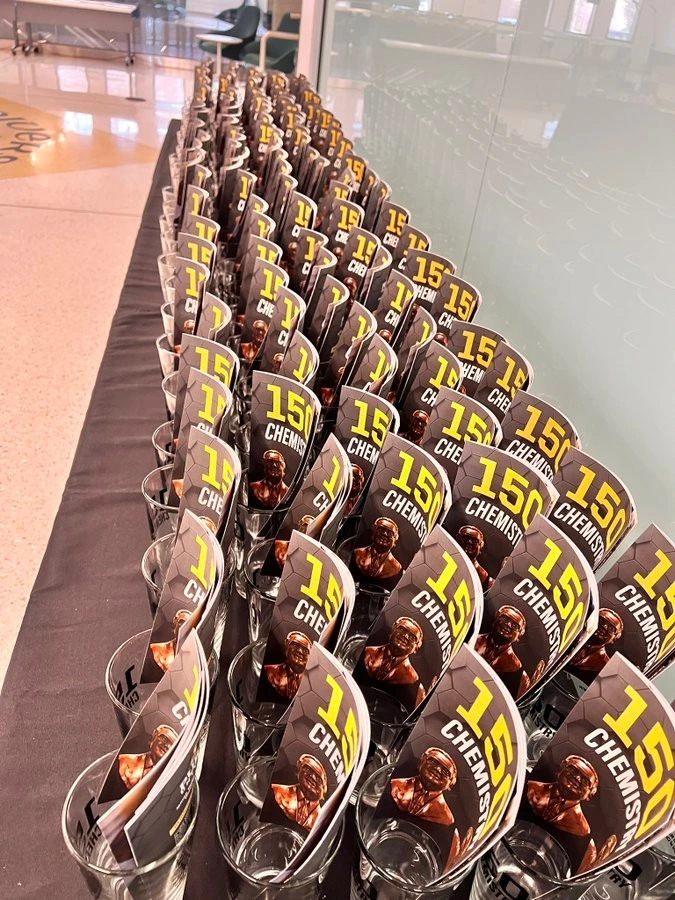
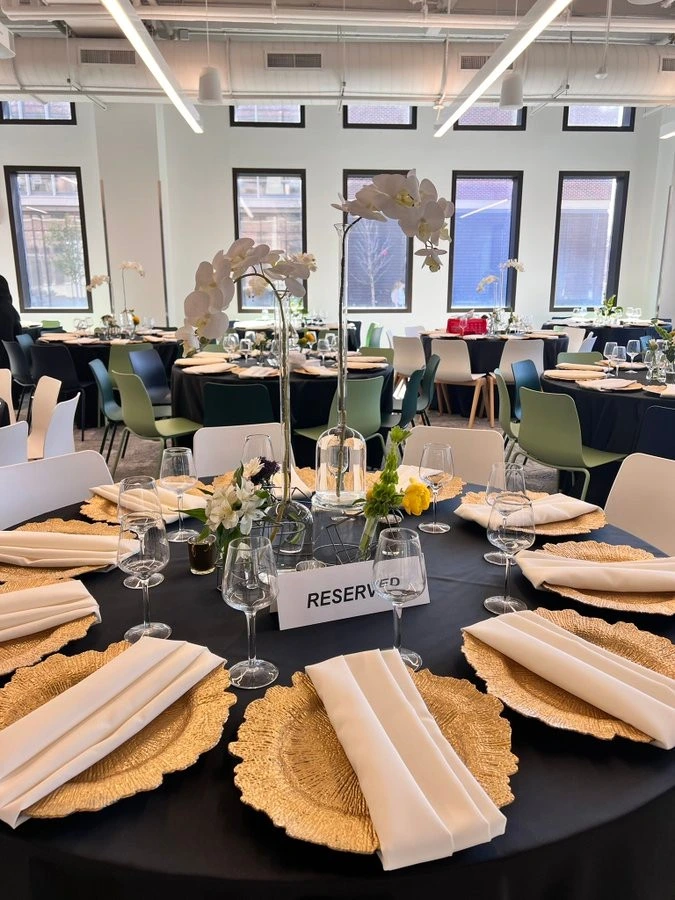
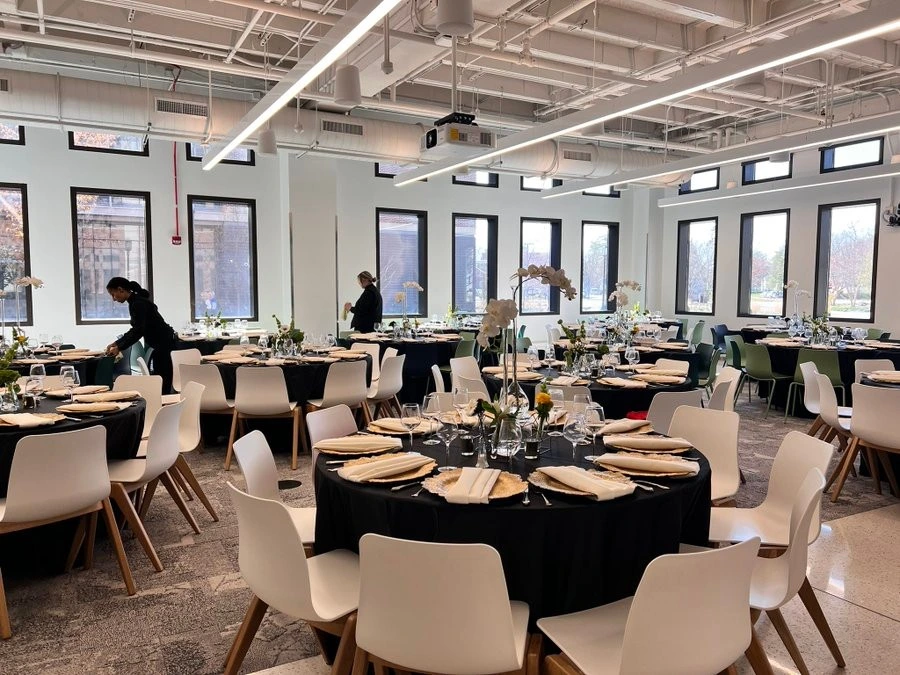
Prof. Jianguo Mei shared scenes from the Purdue Chemistry 150th Anniversary Celebration on the West Lafayette campus. The celebration brought faculty, staff, students and alumni together to reflect on the department’s history and its future. The day’s programme included a morning social, a featured lecture and the “Purdue and Me” reflections session, followed by an anniversary dinner. The photographs show the anniversary display, commemorative gifts and the dinner venue prepared for the gathering.
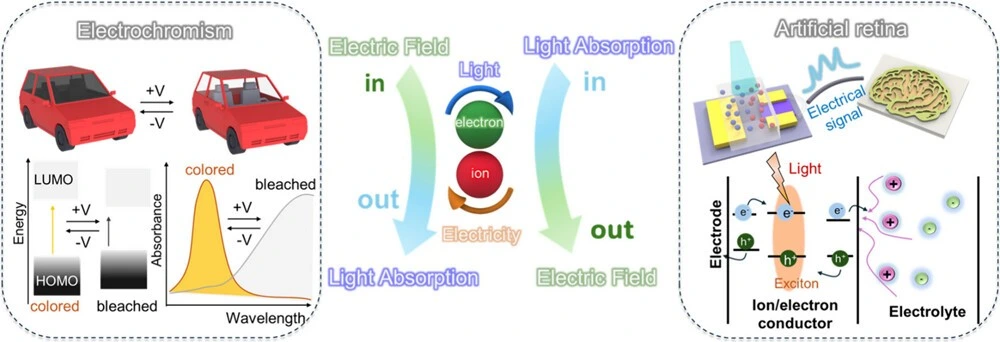
The group’s work on organic iono-optoelectronics is published in Accounts of Chemical Research. This Account connects the group’s research on electrochromic devices and artificial retinas through the coupling of ions, electrons and light in organic mixed conductors. It explains how electrical control of ionic and electronic transport changes optical absorption in electrochromic materials, and how light can drive the corresponding processes to generate electrical signals for artificial vision. The article reviews progress in both technologies, the challenges of optical contrast, switching speed and durability, and research directions for soft devices that interface with biological systems. Congratulations to Ke Chen, Inho Song and all coauthors.
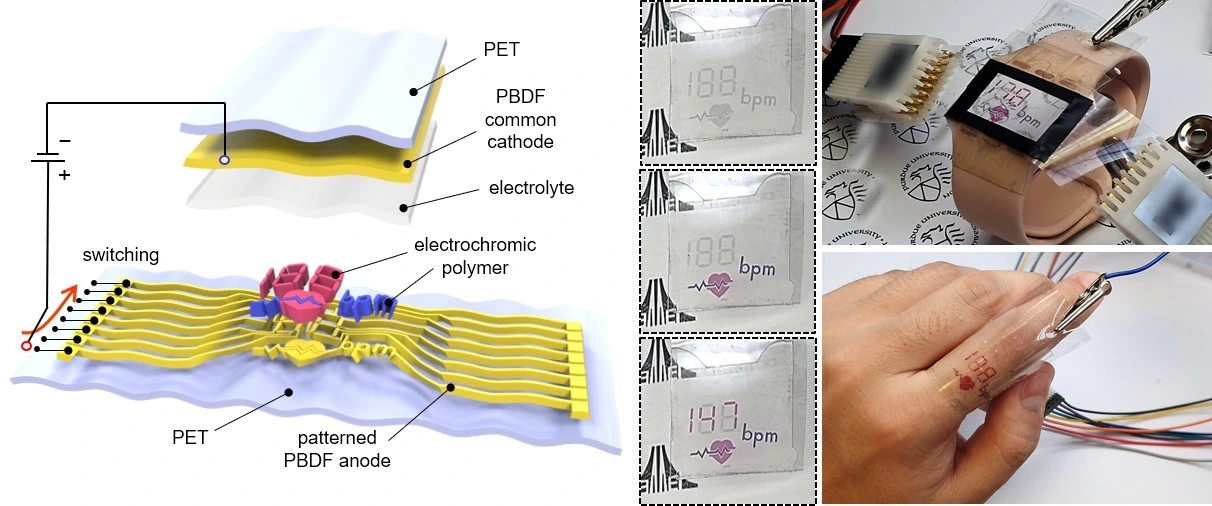
The group’s n-doped capacitive transparent conductor for all-polymer electrochromic displays is published in Nature Electronics. The solution-processed polymer n-doped poly(benzodifurandione) (n-PBDF) serves both as a transparent conductor and as the ion-storage layer, so it can replace indium tin oxide (ITO) and simplify the display architecture. With it, the team built a flexible, full-color, all-polymer electrochromic display that consumes 0.7 μW/cm² for static content and keeps its image for up to 24 hours without power. The films hold up under humidity, heat and long electrochemical cycling and can be patterned at scale by photolithography. Congratulations to Inho Song, Won-June Lee and all coauthors.
News coverage: Tech Xplore.
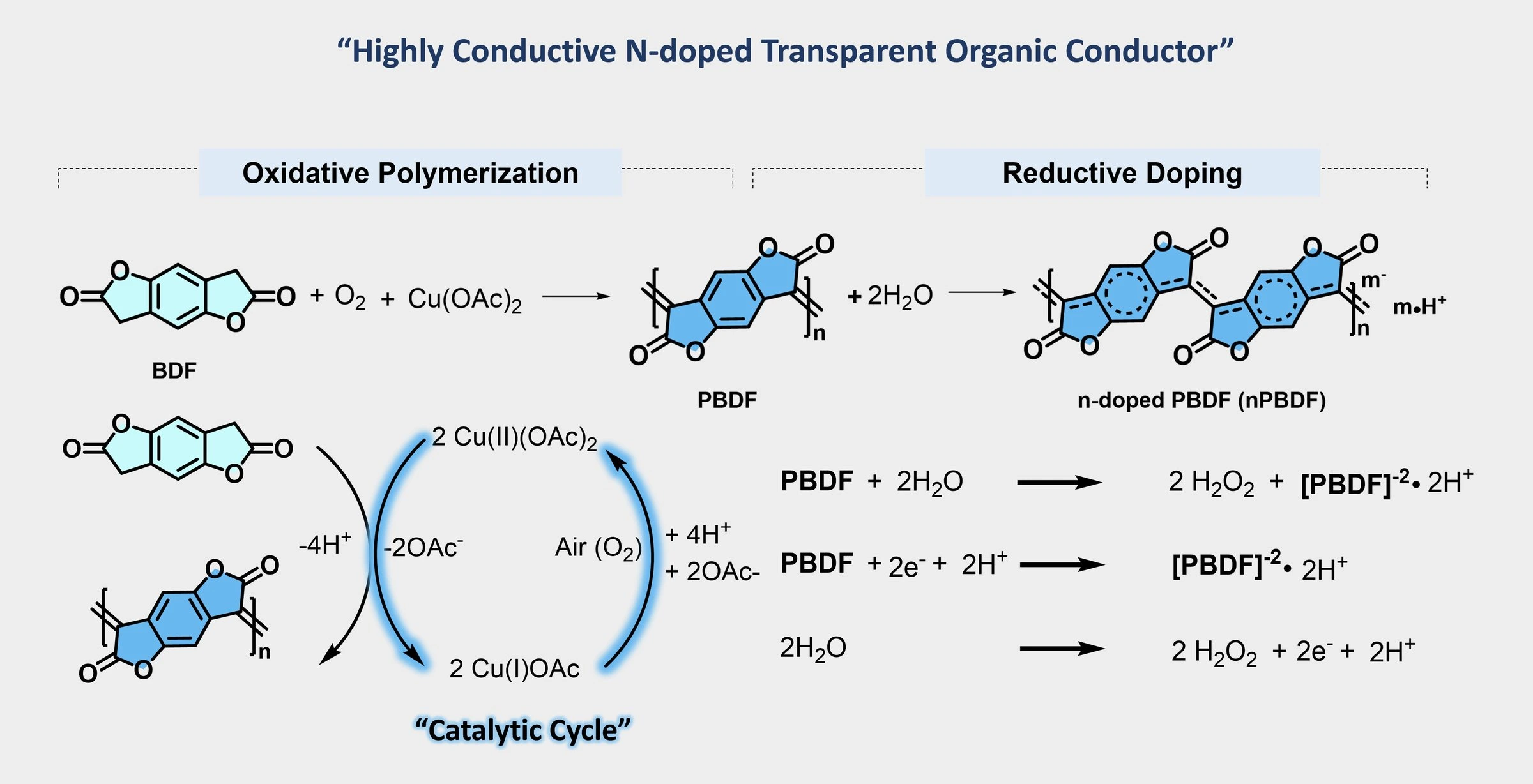
Our work on N-doped organic transparent conductor (n-PBDF) is published in JACS. Contracts to Zhifan, Jinhyo, and all authors. It has the highest conductor among organic conductors. At the same time, it is air, moisture, and thermally resilient.
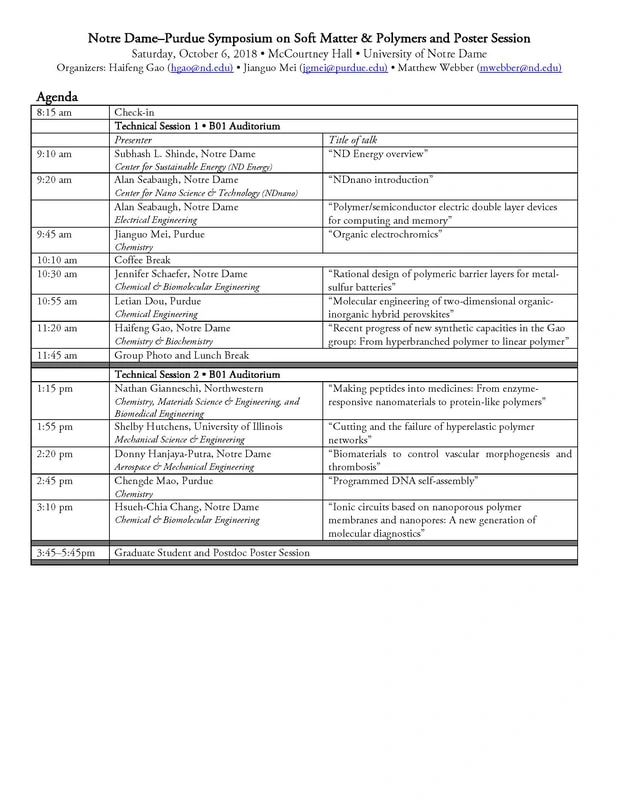
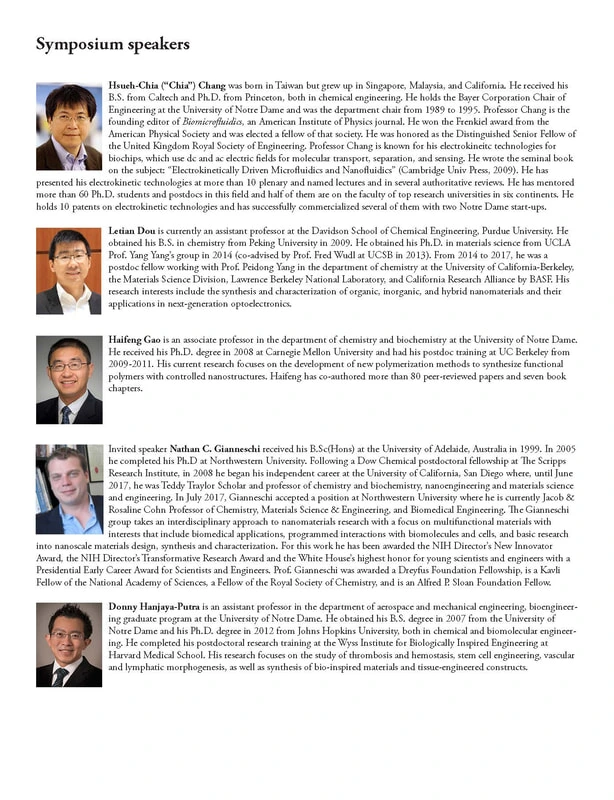
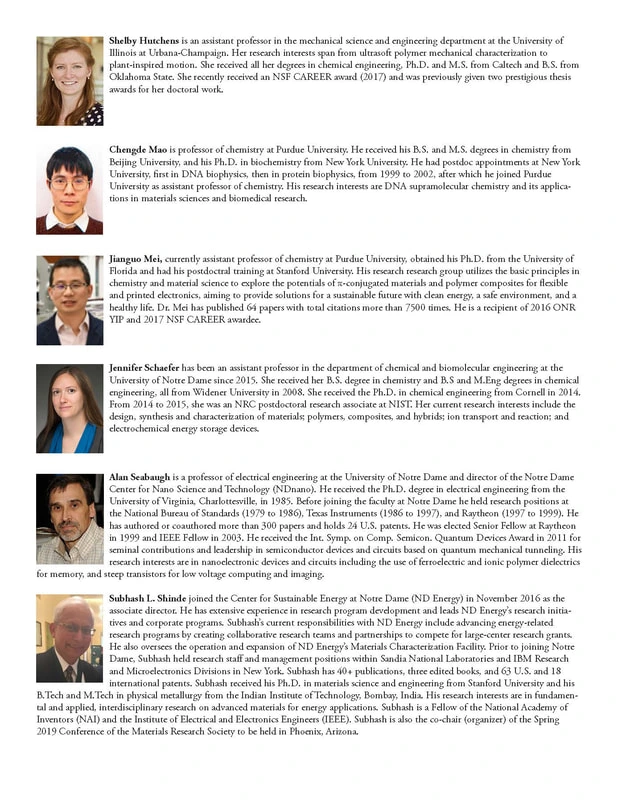
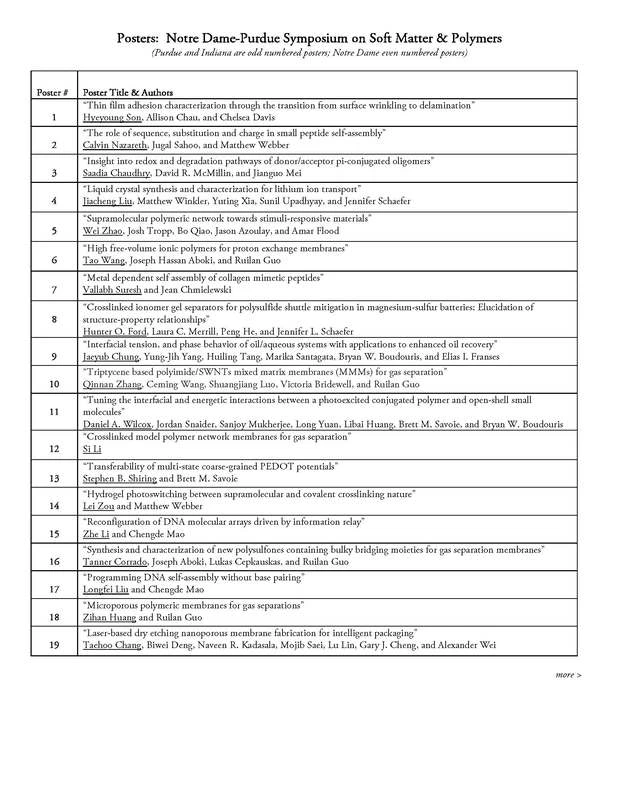
Notre Dame-Purdue Soft Matter & Polymers Symposium and Poster Session is held in Jordan Hall of Science - Galleria. Several members will participate in the event.
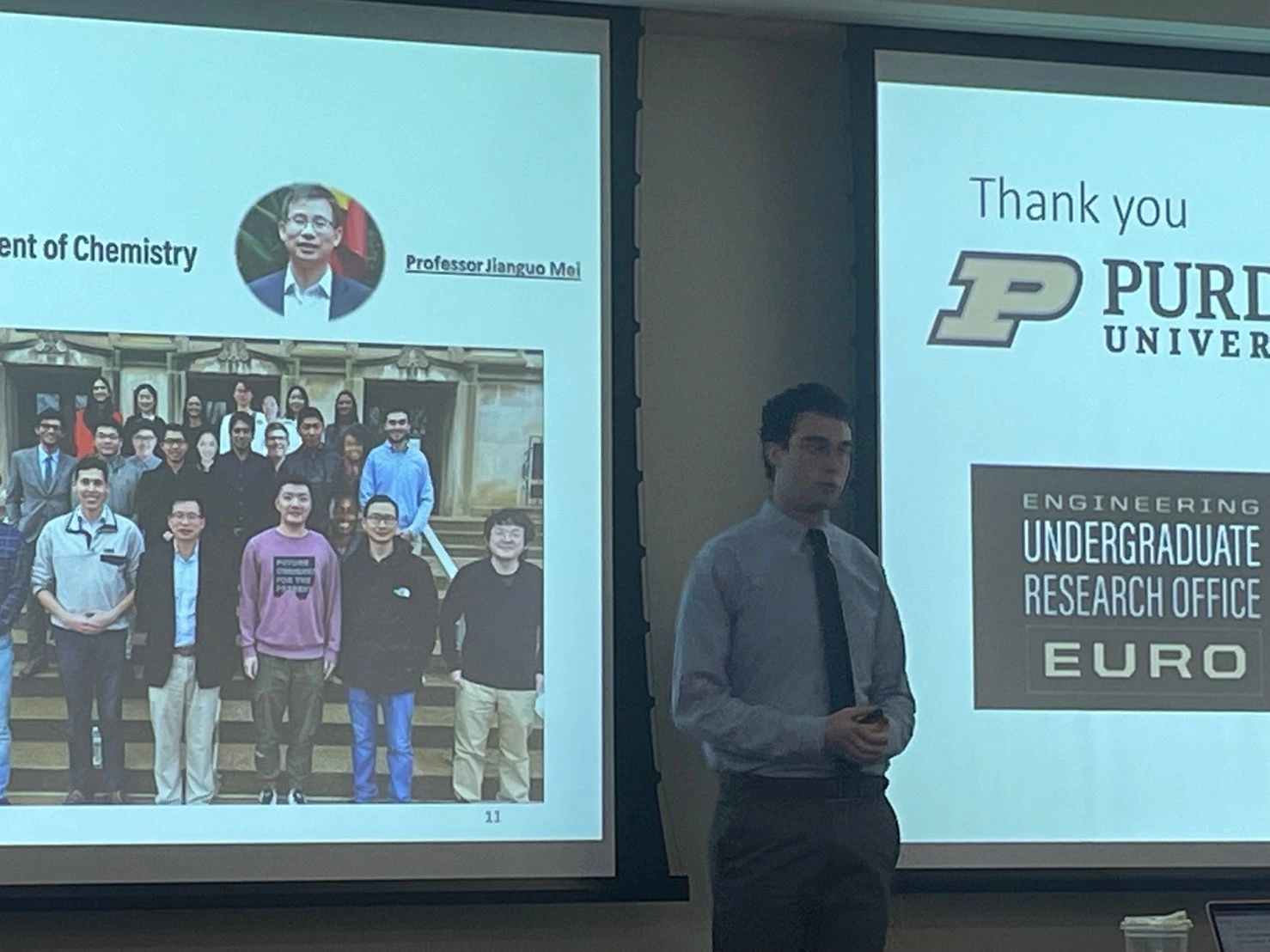
Dylan won the best presentation award from SURF. Dylan is an undergraduate researcher working with Dr. Wenting Wu on the biofunctionalization of conjugated polymers.
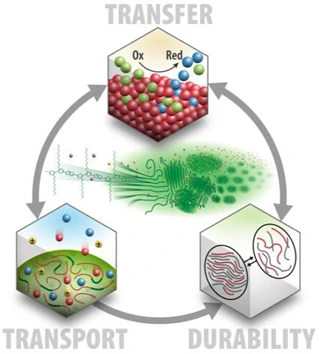
We are part of the newly funded DOE EFRC center - the Center for Soft PhotoElectroChemical Systems (SPECS). SPECS’ mission is to understand the factors controlling charge and matter transport processes that underpin emerging energy conversion (i.e. catalysis) and energy storage technologies across spatiotemporal scales in highly scalable, durable π-conjugated polymer materials.
Dr. Xuefei Li will start her independent career at Georgia State University.
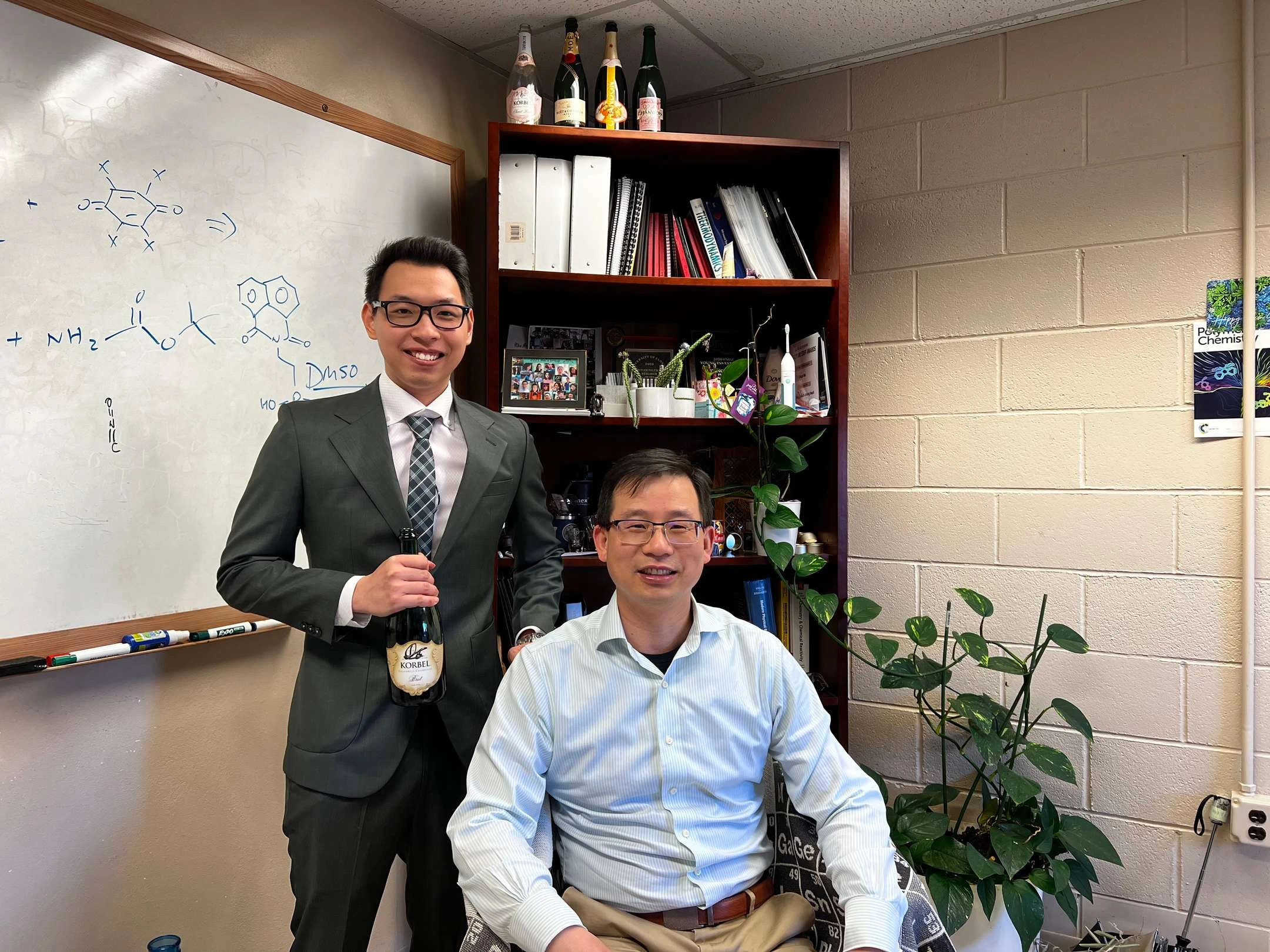
Dung Tran and Xuyi Luo successfully defended their Ph.D. thesis.
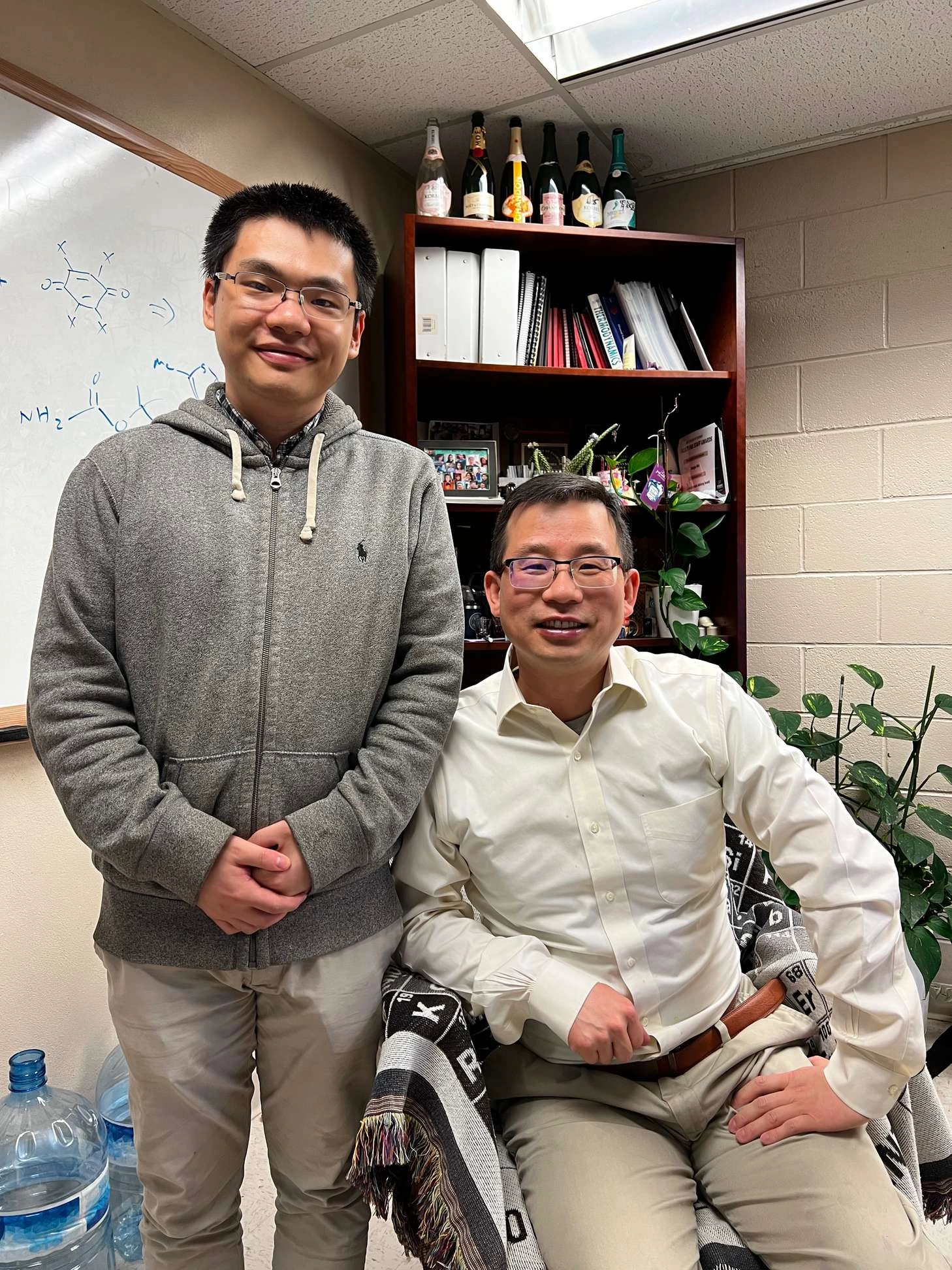
Dung Tran and Xuyi Luo graduated from the group. Dung went to Micron Technology and Xuyi continued to work with Prof. Letian Dou on sustanability and polymer upcycling.
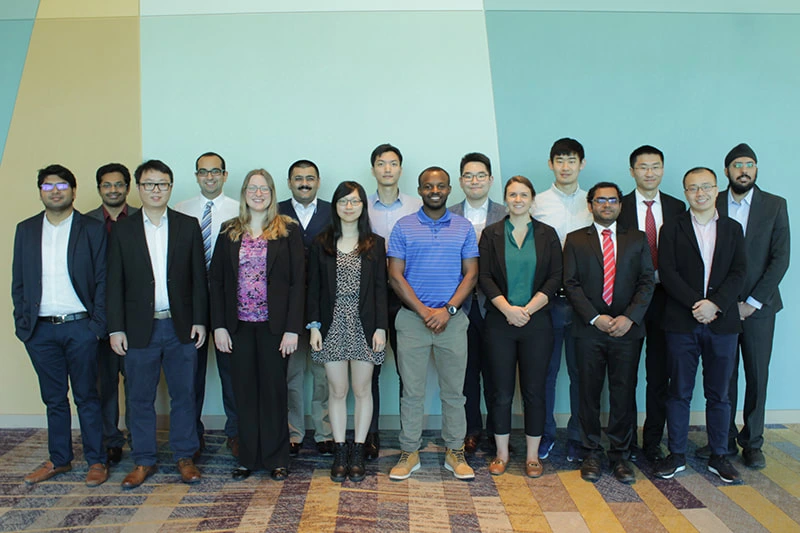
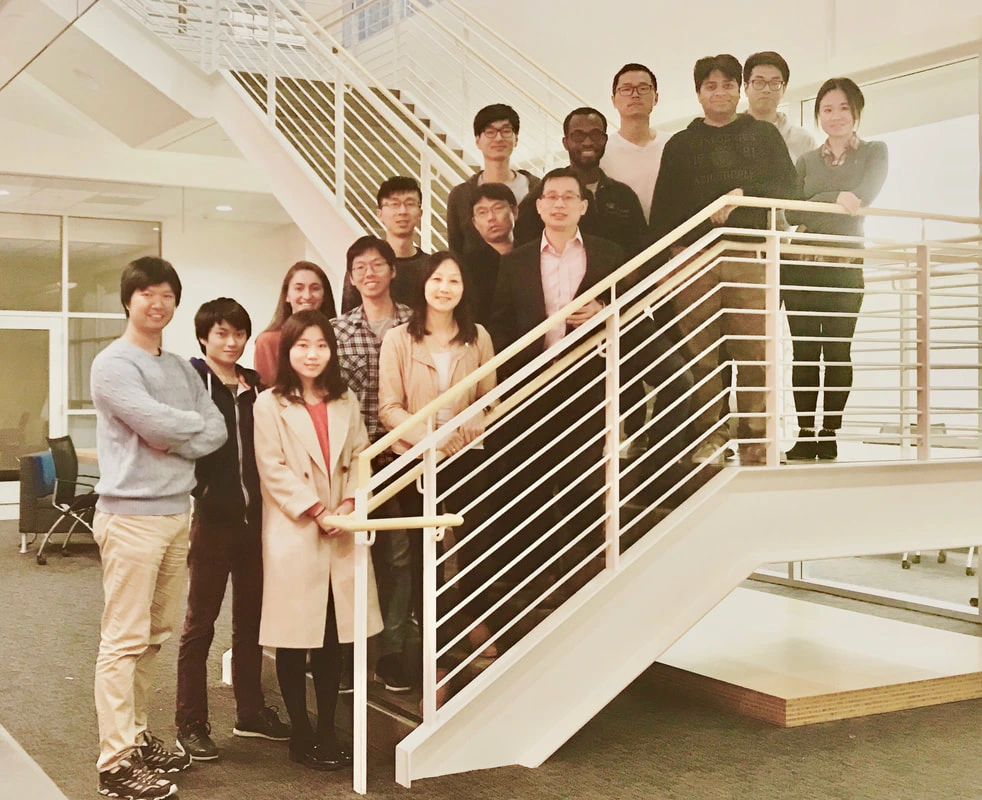
we took a group photo at 2:22 pm, on Tuesday, Feb 22, 2022.
Dr. Mei is recognized and receives the 2021-2022 College of Science Undergraduate Advising Award
Dr. Mei is named Richard and Judith Wien Professor.
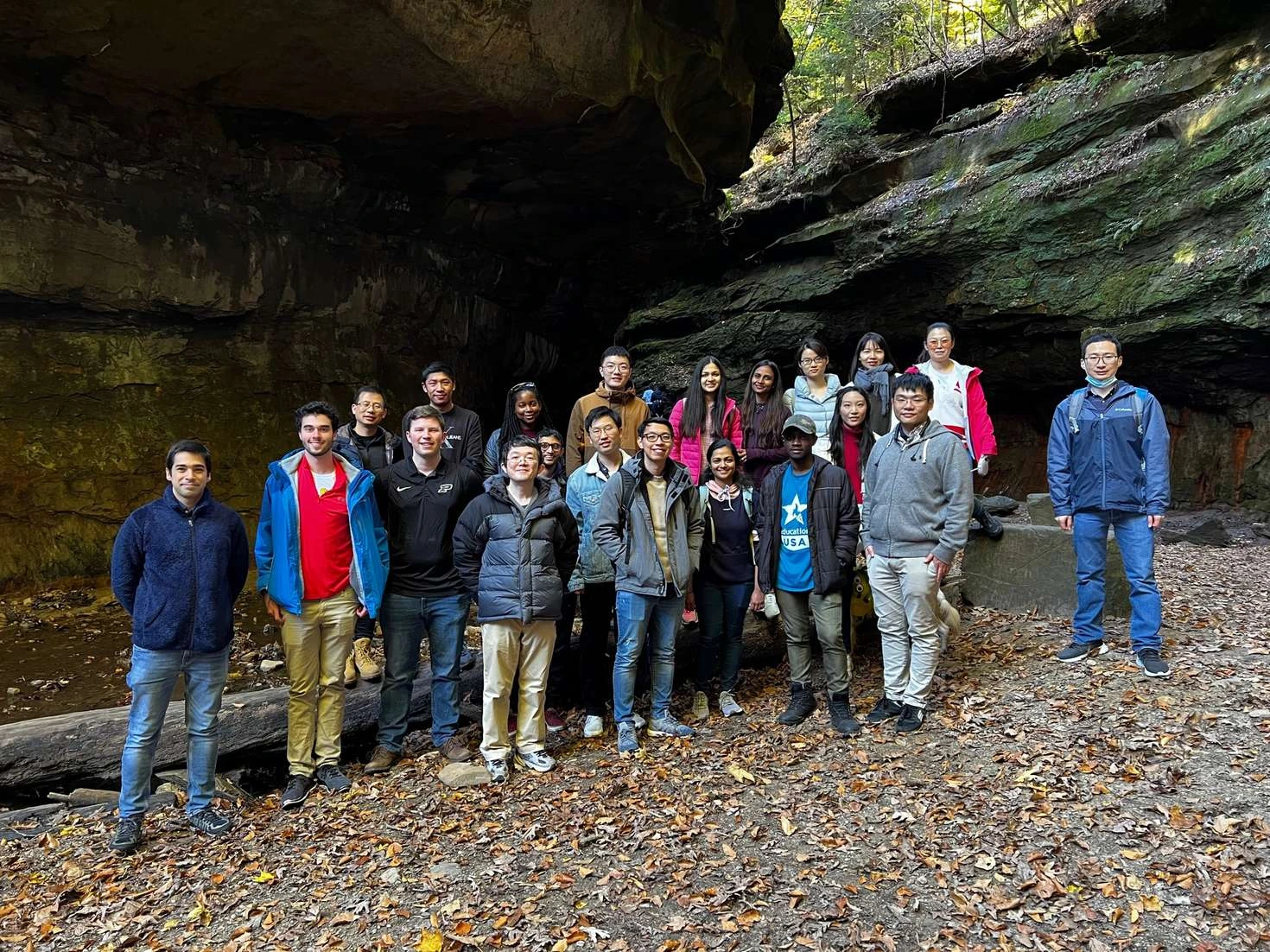
Mei group had the first outing in Turkey Run since the start of Pandemic.
John won the 2021 Astronaut Scholar fellowship. Astronaut Scholarships are awarded to students in their junior and senior year of college studying science, technology, engineering, or mathematics with the intent to pursue research or advance their field upon completion of their final degree. Astronaut Scholars are among the best and brightest minds in STEM who show initiative, creativity, and excellence in their chosen field.
Our former graduate student Dr. Aristide Gumyusenge accepted a faculty position at MIT. He will join the Department of Materials Science and Engineering as an Assistant Professor in the Spring of 2022.
William successfully defended his thesis. Congrats, Dr. McNutt.
Saadia successfully defended her thesis. Congrats, Dr. Chaudhry.
Welcome Dr. Kai Lang and Dr. Ranajit Mondol on board. Kai has expertise in organic synthesis and catalysis and Ranajit is an organometallic chemist. Both will contribute to organic and polymer synthesis and methodology development.
We are now part of a MURI project titled of An Informatics Paradigm for Predicting Organic Chemical Stability and team up with computational chemists to understand degradation of organic materials. New Release
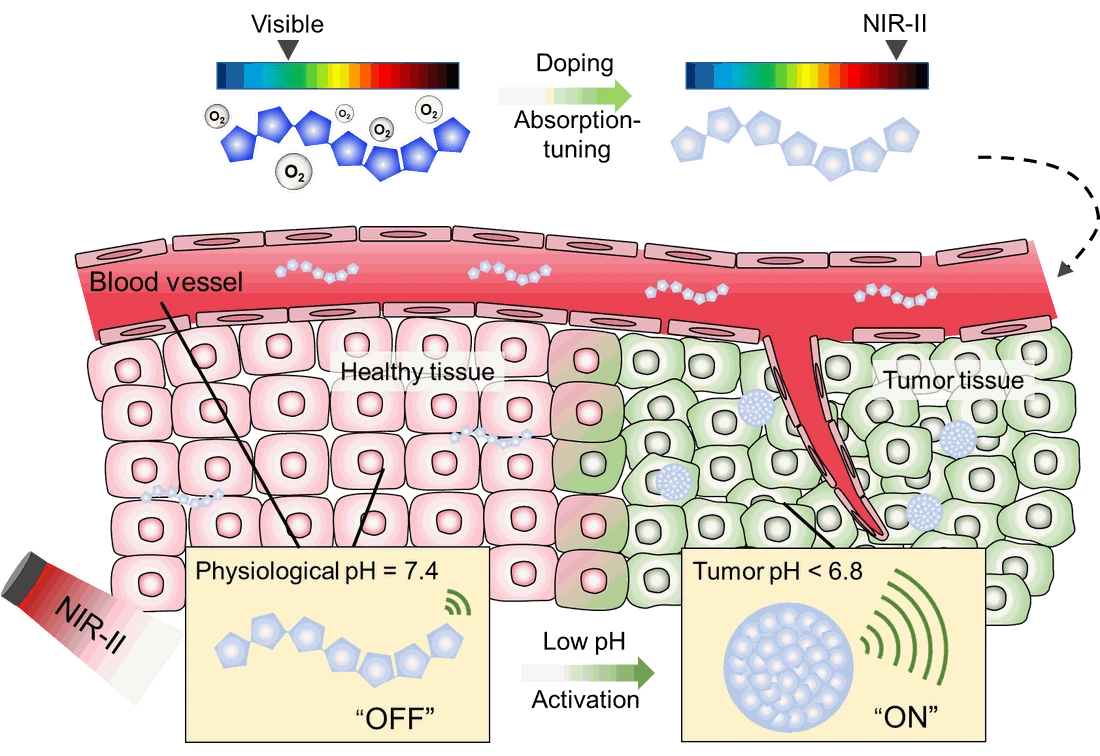
Dr. Jiayingzi Wu’s last work at Purdue is published in Analytical Chemistry. In this paper, we first reported the design of NIR-II photoacoustic probe through ambient doping of conjugated polymers. It paves the way for the development of new activatable NIRII imaging probes and also facilitates the investigation of biological and pathological processes in deep-tissue.
Welcome Dr. Ashkan Abtahi to join the group. Dr. Abtahi was trained with Prof. Ken Graham at the University of Kentucky and gained a PhD degree in applied physics. He will lead our efforts on failure analysis (degradation) of electrochemical devices to elucidate the fundamental physics behind.
Welcome first year graduate students Joe and Mustafa to the group.
Dr. Jungho Lee from UNIST Korea joined us. Jungho has expertise in organic synthesis.
Saadia is the Bilsland Dissertation Fellowship recipient. Congrats!
John is recognized as Outstanding Sophomore from College of Science. Congrats, John.
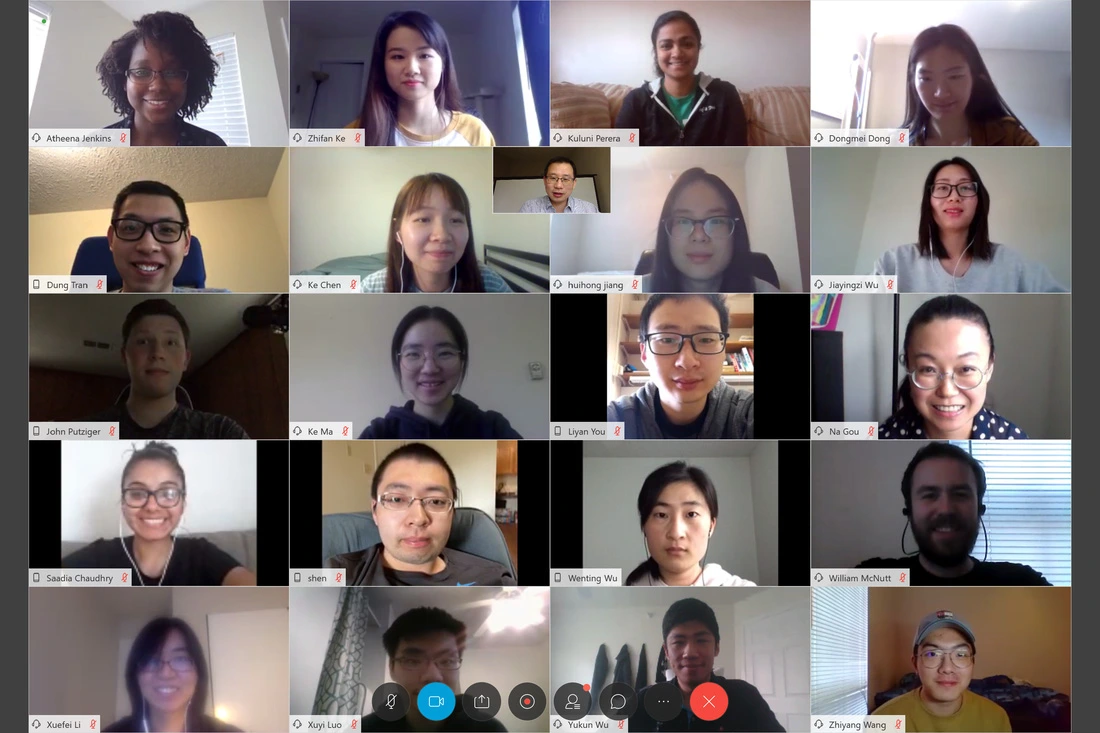
A Spring group photo in memory of COVID-19.
Dr. Mei has been named a 2020 ACS Polymeric Materials: Science and Engineering (PMSE) Young Investigator. He was also selected as a 2019 ACS Division of Organic Chemistry (DOC) Academic Young Investigator last fall.
Saadia is selected as a 2020 Beckman Institute Postdoctoral Fellow. She is planning to graduate in the Fall of 2020. Congrats !
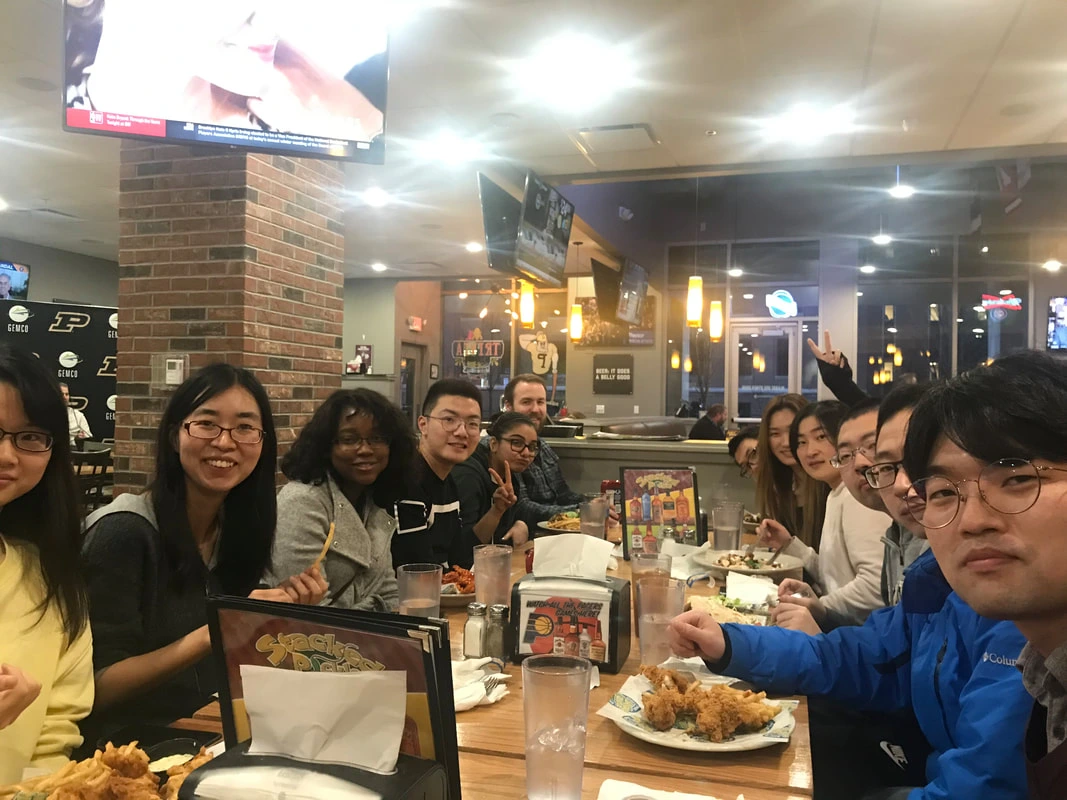
Jongsu left for a faculty position at Sunchon National University in Korea. We had a small gathering to celebrate his new position. Congrats and best wishes for your adventure !
Welcome to two New Students of 2019 class to join the group, Xukun from Tsinghua University and Zhiyang from Indianan University (IU Bloomington)
Aristide is selected for the two-year GLAM Postdoctoral Fellowship and will head to Stanford University as a postdoc fellow, working aside with Prof. Zhenan Bao (ChemE) and Prof. Alberto Salleo (MSE) in January 2020.
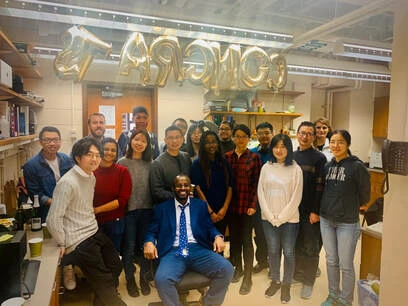
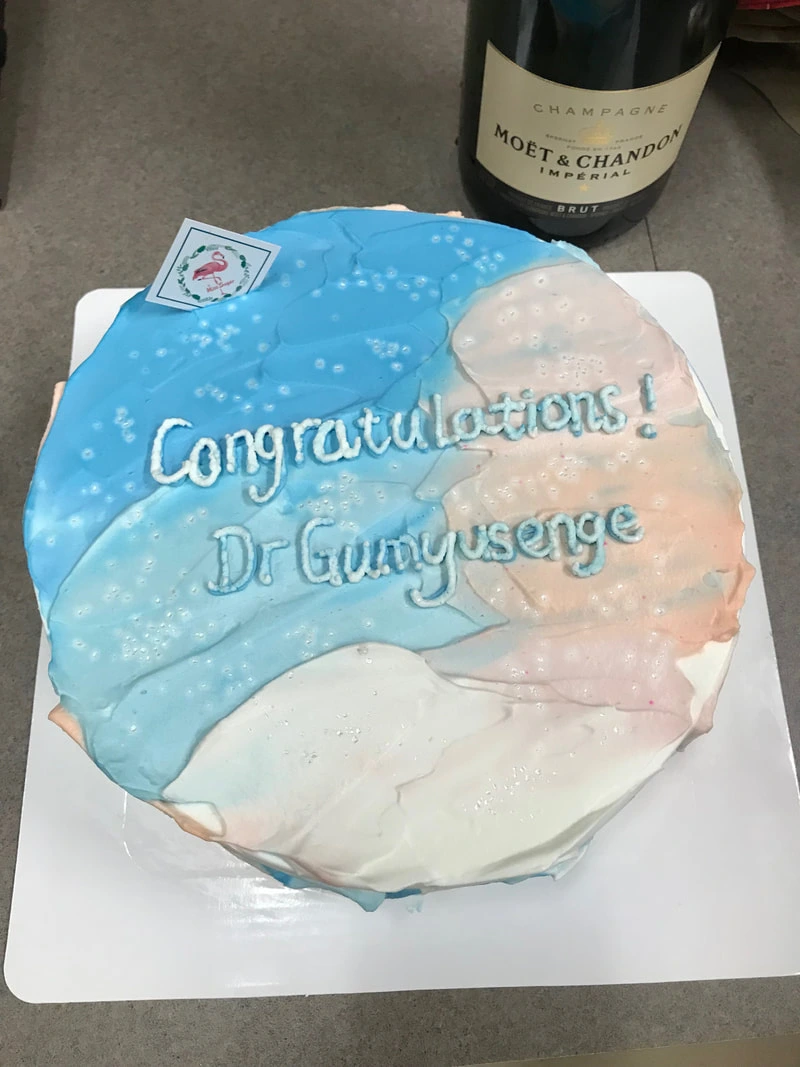
Astride successfully defended his thesis. Congrats, Dr. Gumyusenge!
Natalie is once again featured in the News as an Astronaut Scholar.
Dr. Wenting Wu from SIOC joins us a postdoc fellow. Welcome.
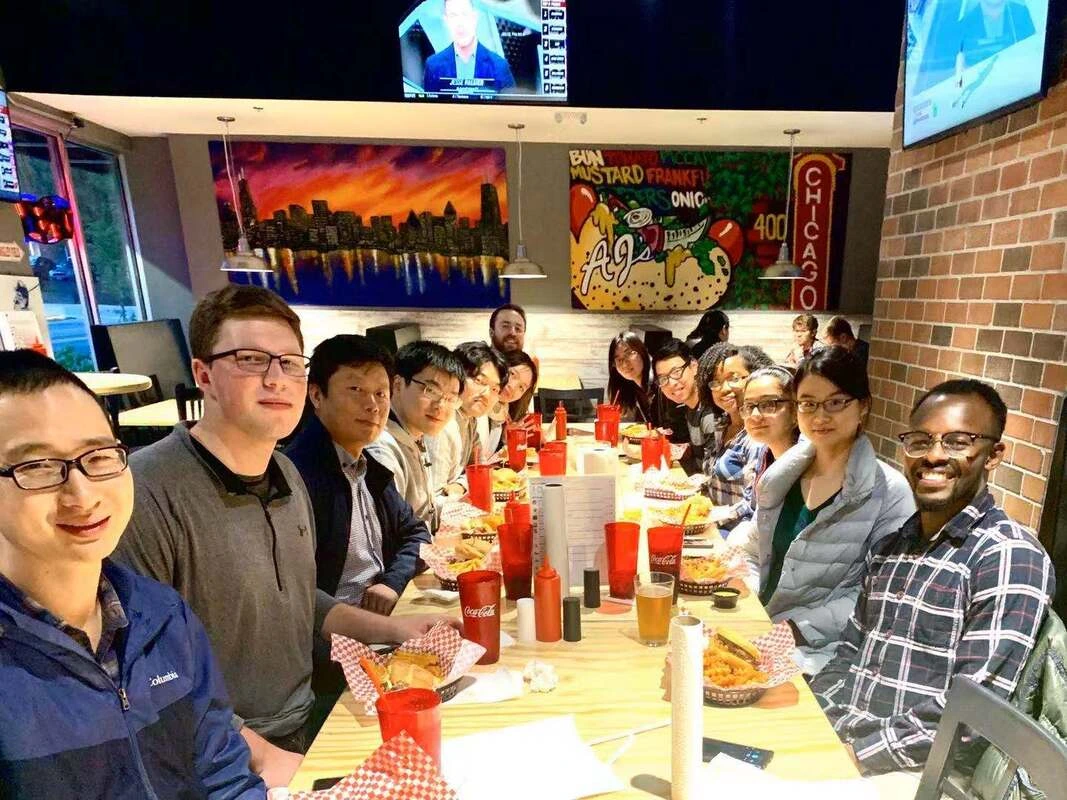
Dr. Yi Zhengran leaves the group and will join Fudan University. Congrats and best wishes with your future scientific pursuing.
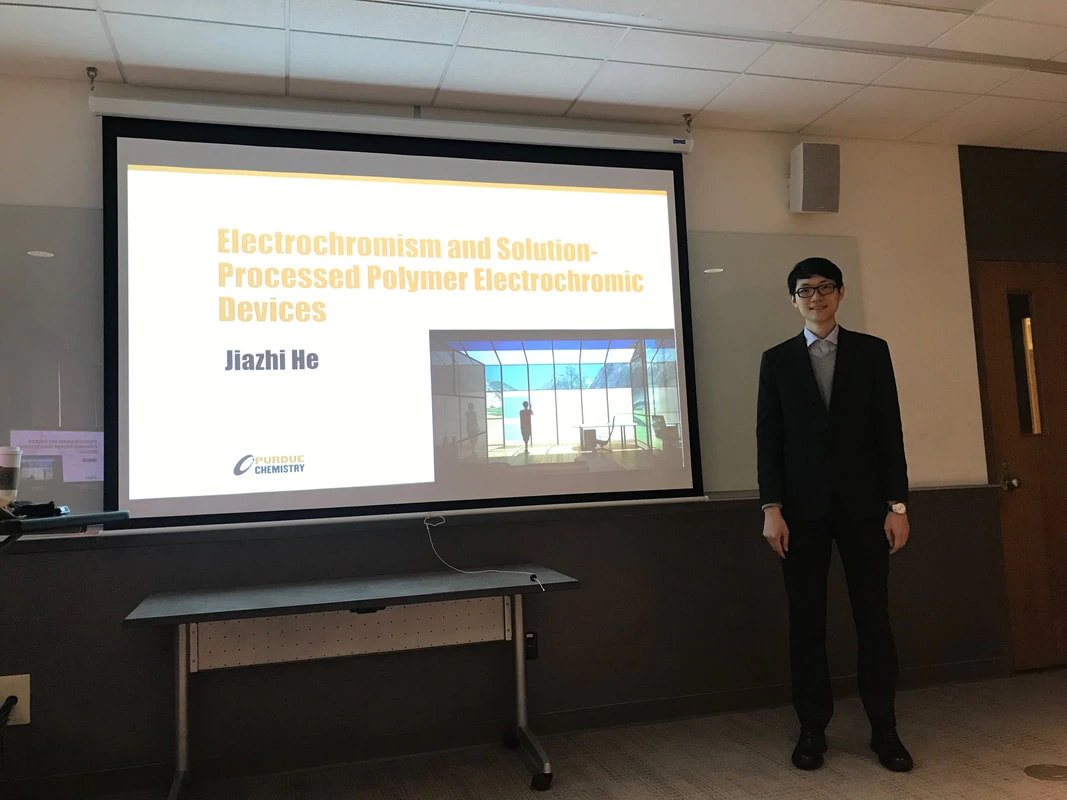
Jiazhi defended his Ph.D. thesis. Congrats Dr. He and best wishes to your time at Ambilight Inc - making a better world with electrochromic windows.
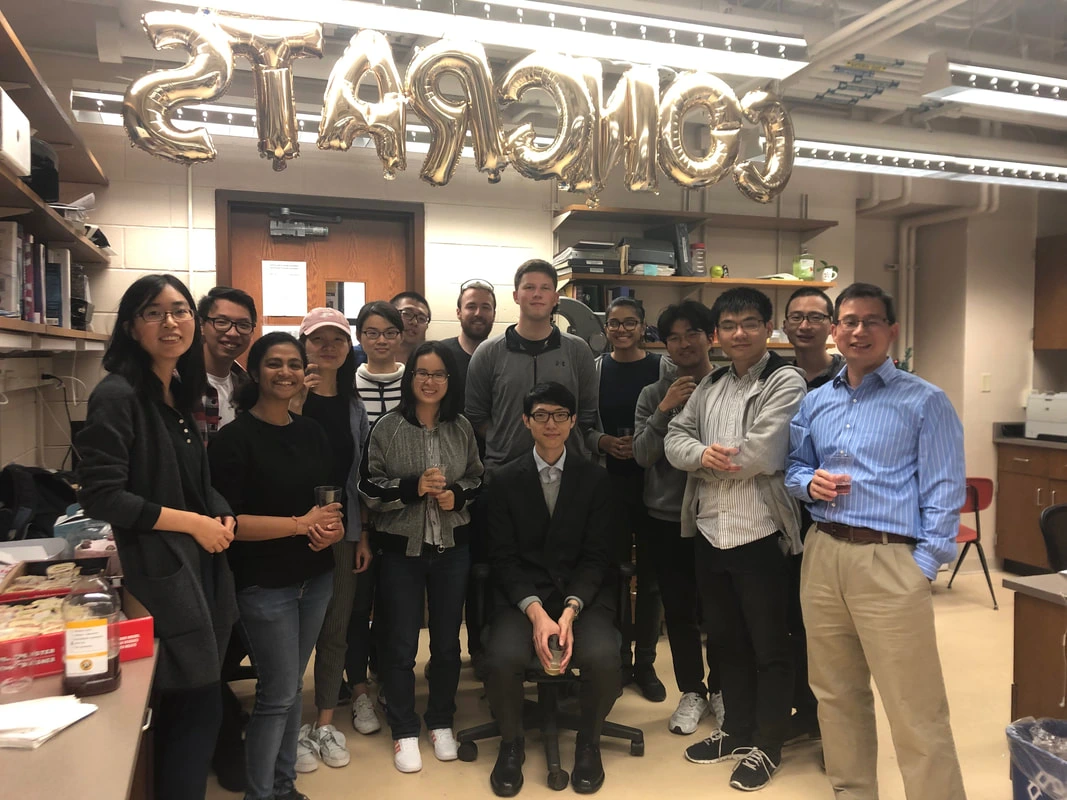
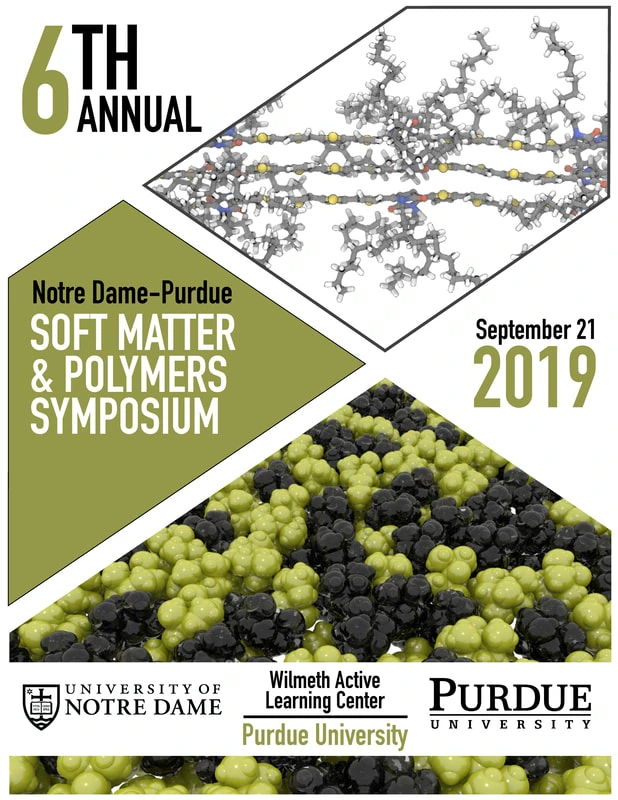
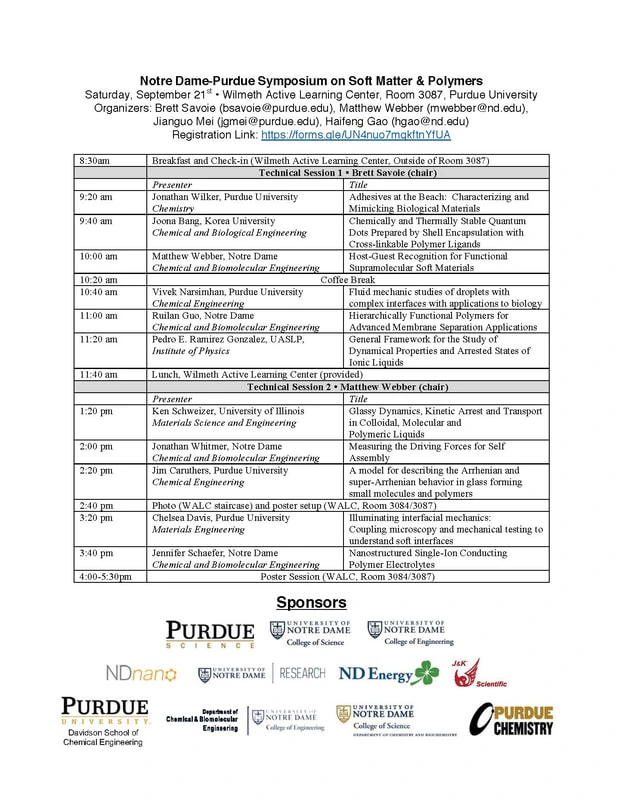
the 6th Annual Notre Dame-Purdue Symposium on Soft Matter & Polymers is held on Purdue Campus.
Notre Dame-Purdue Soft Matter & Polymers Symposium and Poster Session
Natalie is featured in Purdue News ! Kadlubowski, Tesmer earn nationally prestigious Goldwater Scholarships. Natalie is also the only Astronaut Scholar of 2019 from Purdue University.
Astronaut Scholars are among the best and brightest minds in STEM who show initiative, creativity, and excellence in their chosen field.
Jongsu joins the group as a postdoctoral associate and Huihong, from Prof. Hanying Li’s group at Zhejing University, joins us as a visiting graduate student.
Hongguang joins the group as a MI-BIO postdoctoral associate.
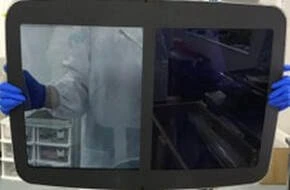
Our review article on “Solution-Processable Electrochromic Materials and Devices” appears online as part of the 2019 Journal of Materials Chemistry C Emerging Investigators themed issue.
Mi-Bio Summit on Flexible and Stretchable Bioelectronics is held on Purdue Campus. The Organizing Committee of the Mi-Bio Summit on Flexible and Stretchable Bioelectronics invites you to join us on the campus of Purdue University in beautiful West Lafayette, Indiana from Monday, July 29-Wednesday, July 31. The Mi-Bio Summit will bring together world experts in the emerging field of intrinsically-stretchable bioelectronics in order to bridge the discipline from the design of materials through clinical application. This Summit will provide a unique opportunity to interact with a wide range of thought leaders from academia, industry, government, and clinical arenas in an intimate setting. In addition to thirteen confirmed plenary and invited speakers, there will be panel discussions with significant question input from the audience, providing in-depth discussion led by editors from some of the top journals in the field. A poster session will be held on Tuesday afternoon, where you can present your newest results to the assembled group. We look forward to having you join us at the inaugural Mi-Bio Summit on Flexible and Stretchable Bioelectronics.
Aristide’s paper is selected as the Editor Choice and the Cover. Isoindigo-Based Binary Polymer Blends for Solution-Processing of Semiconducting Nanofiber Networks, https://doi.org/10.1021/acsapm.9b00321
Youlong leaves for a faculty position at Sun Yat-Sen University, Guangzhou, China. Congrats and good luck with your future endeavors !
Saadia is selected to participate 2019 UIC Next Generation Electrochemistry (NGenE) program on June 3-7, 2019. The week long summer school is supported by NSF.
Natalie M Kadlubowski, an undergraduate researcher in the group since the Spring of 2017, is recognized as a 2019 Goldwater Scholar. Natalie has worked on the synthesis of organic semiconductors with graduate student Xuyi Luo. So far she has co-authored two articles.
The Barry Goldwater Scholarship and Excellence in Education Foundation was established by Congress in 1986 to serve as a living memorial to honor the lifetime work of Senator Barry Goldwater, who served his country for 56 years as a soldier and statesman, including 30 years in the U.S. Senate.
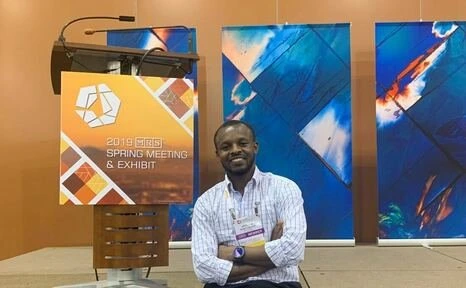
Aristide Gumyusenge won the MRS Graduate Student Gold Award. This award honors and encourages graduate students whose academic achievements and current materials research display a high level of excellence and distinction.
Aristide is also recognized as the Arthur Nowick Graduate Student Awardee for his particular promise as a future teacher and mentor. This award honors the late Dr. Arthur Nowick and his lifelong commitment to teaching and mentoring students in materials science.
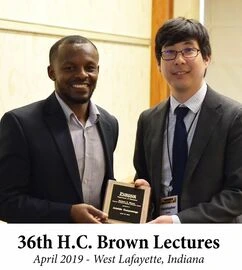
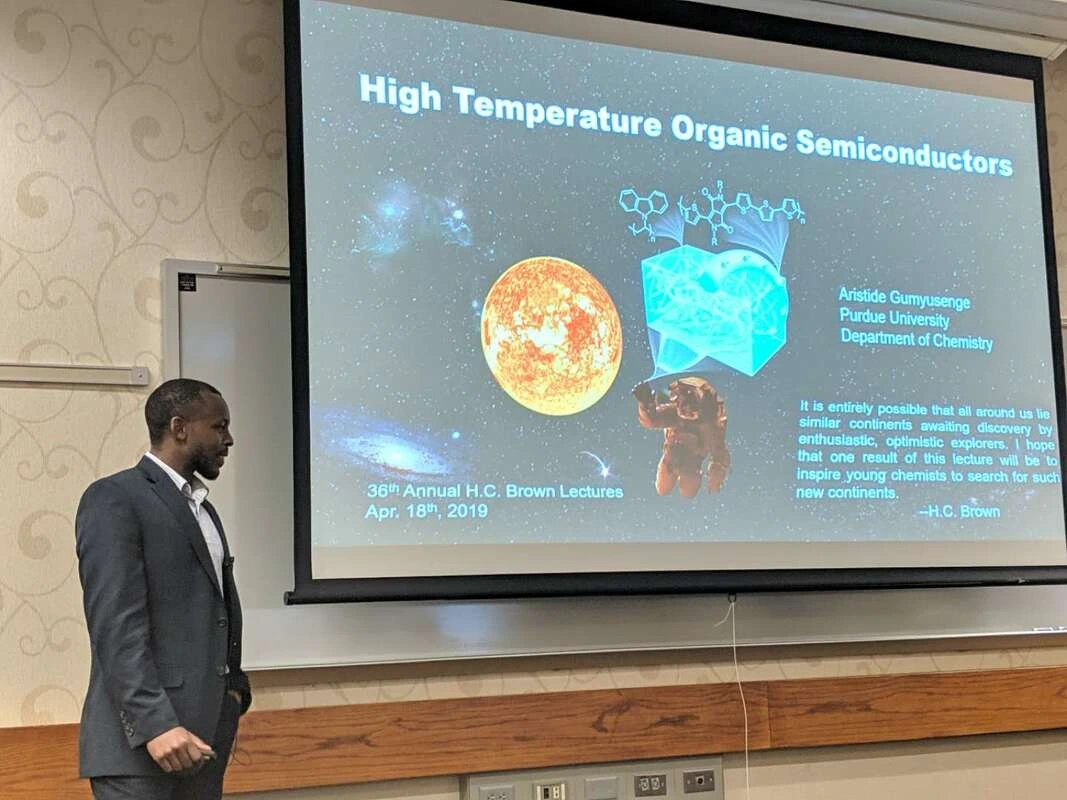
Aristide won H. C. Brown Graduate Student Award and delivered the Brown Lectures, together with Prof. Gregory C. Fu, California Institute of Technology, Prof. Benjamin List, Max-Planck Institute, Prof. Sarah E. Reisman, California Institute of Technology, Prof. Peter H. Seeberger, Max Planck Institute and another student Awardee Jacob Werth from the Uyeda’s group.
Saadia’s first paper and also the group’s first JPC is now online. Congrats, Saadia, a job well done !
Congrats John Putzigeron the Wolinsky Summer Research Fellowship.


Dr. Mei delivered a talk in the Department of Chemical Engineering at Stanford University and in the Department of Chemistry at the University of California, Santa Cruz. It was great to be there and to meet many talented people.
Welcome, Ka Ma, Our 2019 Gilbreth Fellow. Ke received her PhD in Chemical Engineering from the University of Colorado Boulder in December 2017. She received her BS degree in Chemical Engineering & Technology from Zhejiang University. Her research interests include inorganic nanomaterials, photocatalysis, and DNA nanotechnology in catalysis and biomedicine. Ke will be working with her co-advisors, Dr. Letian Dou, Assistant Professor of Chemical Engineering, and Dr. Jianguo Mei, Assistant Professor of Chemistry, to use polyelectrolytes to guide perovskite growth and improve their electronic properties for next-generation optoelectronics.
Anticipated timeline for the 2020 fellowship competition
- July 2019: call to engineering faculty to post research topics on the LGPF website
- August 2019: website with proposed topics made live to interested applicants
- December 6, 2019: deadline to receive full application packets with recommendation letters
- March 2020: the 2020 Lillian Gilbreth Postdoc Fellows announced;
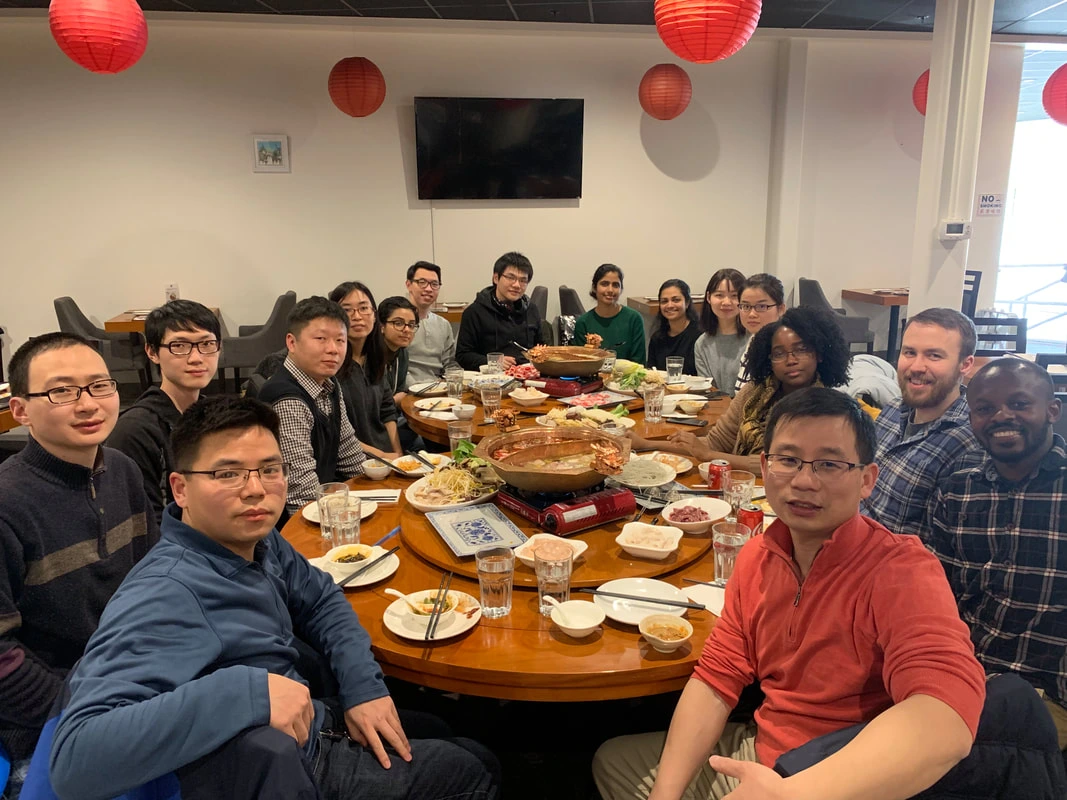
the group celebrated the Spring Break with Chinese Hotpot!
Dr. Mei had a swing trip of Southern California, give four talks at UCLA (Physical Chemistry) on Feb 25th, UCSD (NanoEngineering) on Feb 26th, USC ( Loker Hydrocarbon Research Institute) on Feb 27th and UCSB (MSE) on Mar 1st, titled of “Semiconducting Polymer Blends: Bringing the Best of Both Worlds for Plastic Electronics.”
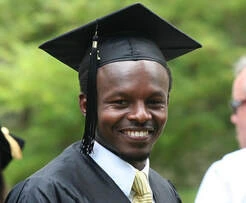
Aristide is highlighted in the Rwandan Daily News back in his home country - the New Times
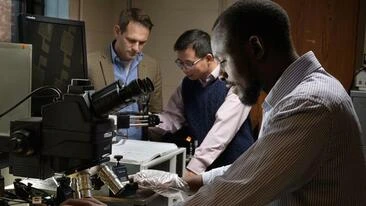
Our work on high temperature organic semiconductors appears in Science Magazine. Thanks all who contributed. Prof. Savoie for computational analysis and Prof. Azyner for X-ray characterization. It has attracted a a great deal of medial attention. (See Altmetric) Purdue News
Ke and Zhifang officially joined the team. Welcome !
Xuyi and Dung passed their qualifying exams. Congrats !
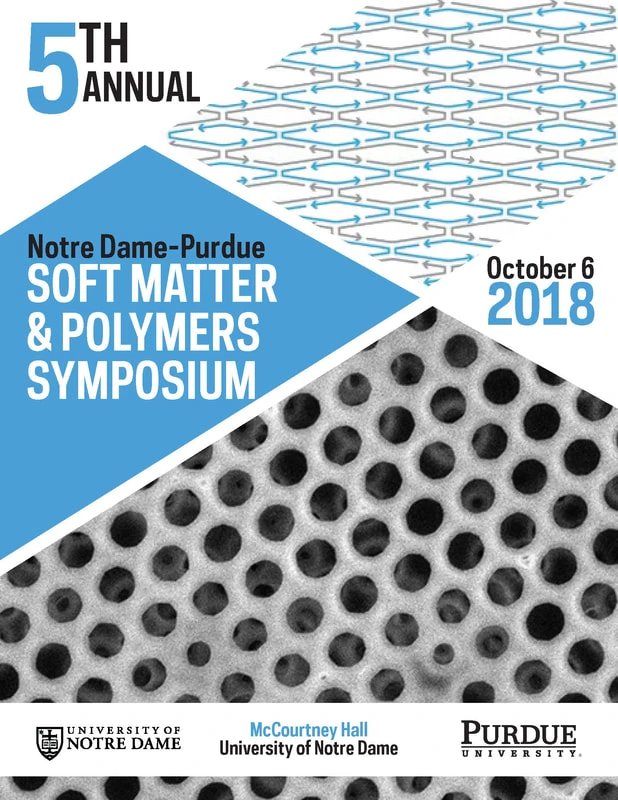
the registration is open for the 5th Annual Notre Dame-Purdue Symposium on Soft Matter & Polymers
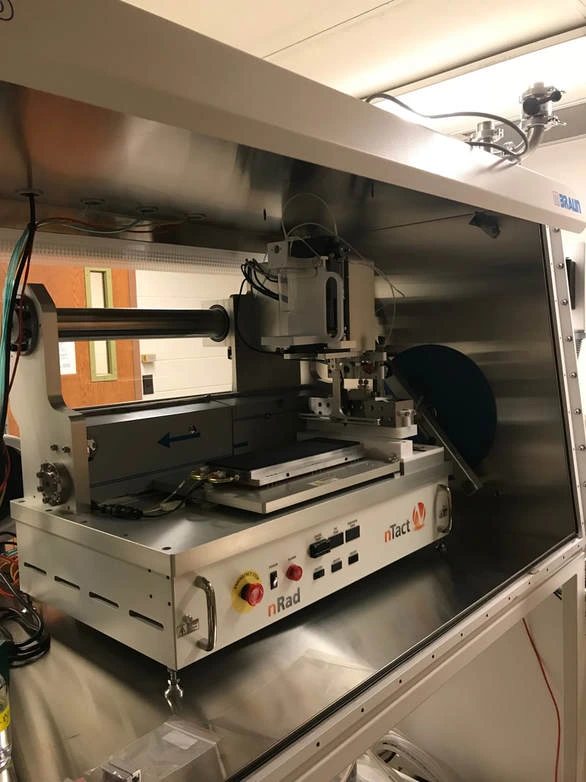
Our high-precision slot-die coater is up and running. We are a step closer towards flexible electronics.
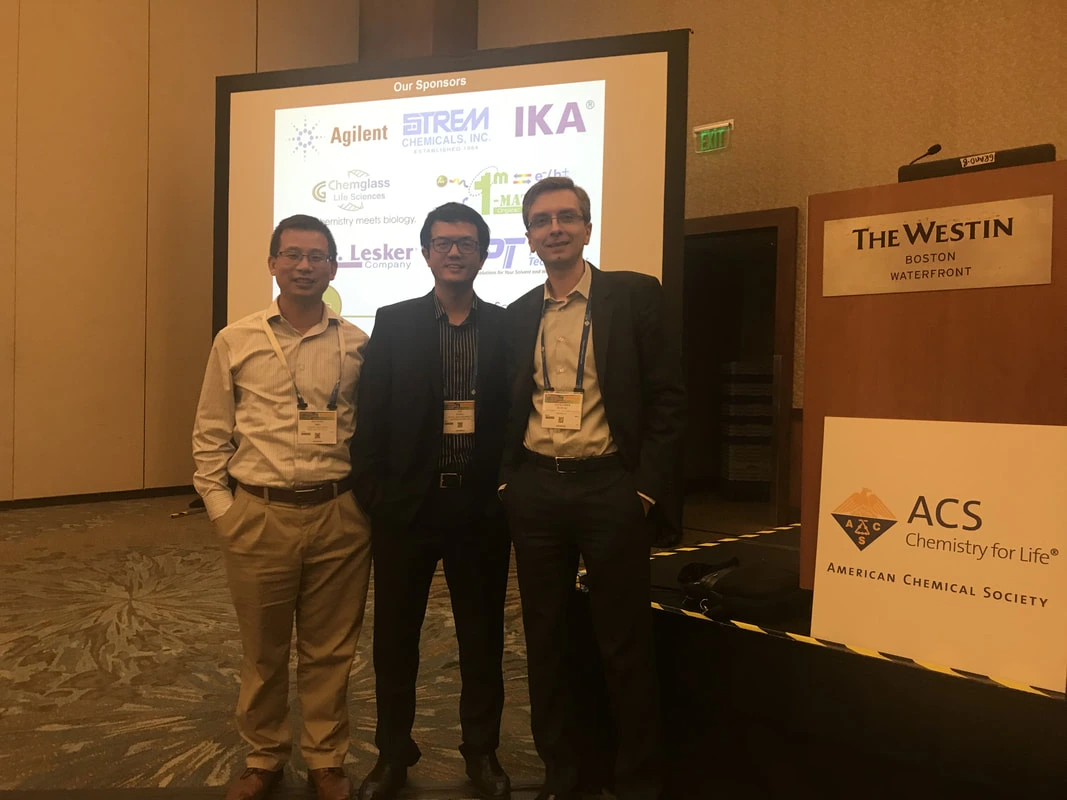
Dr. Mei co-organized the symposium of Synthesis, Processing, and Device Engineering of Polymeric Electronic Materials at 256th ACS National Meeting, Boston. Jiayingzi, Jiazhi and Saadia presented their research.
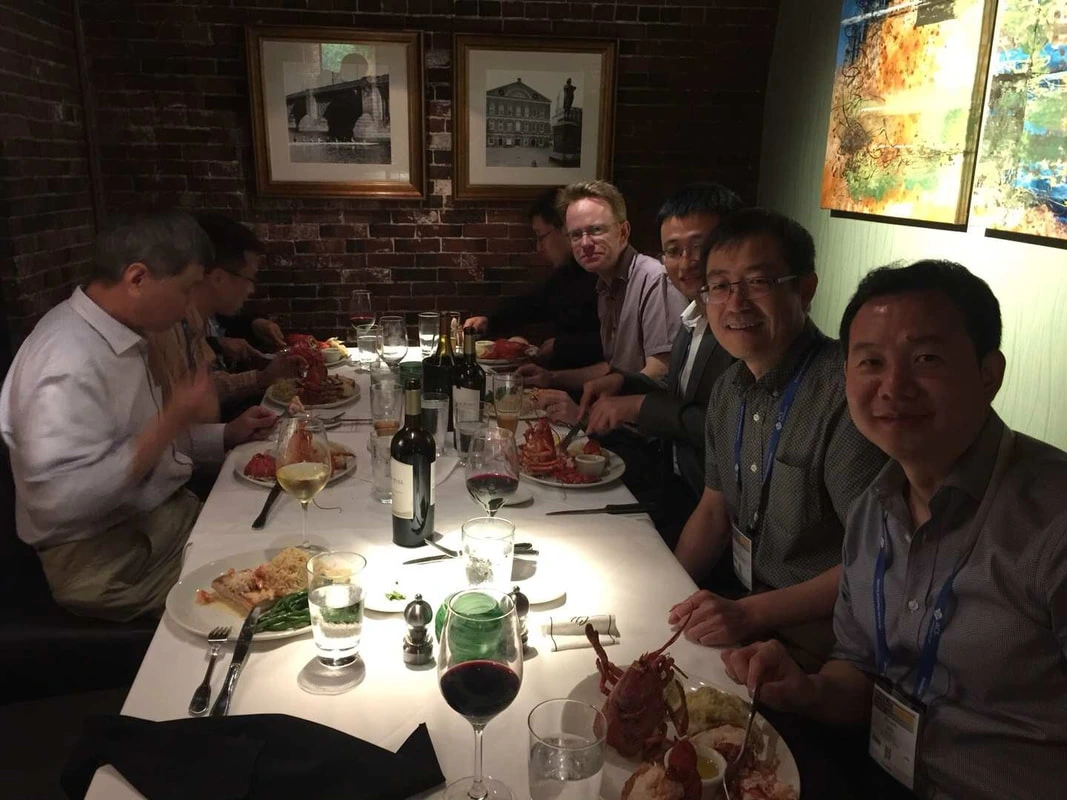
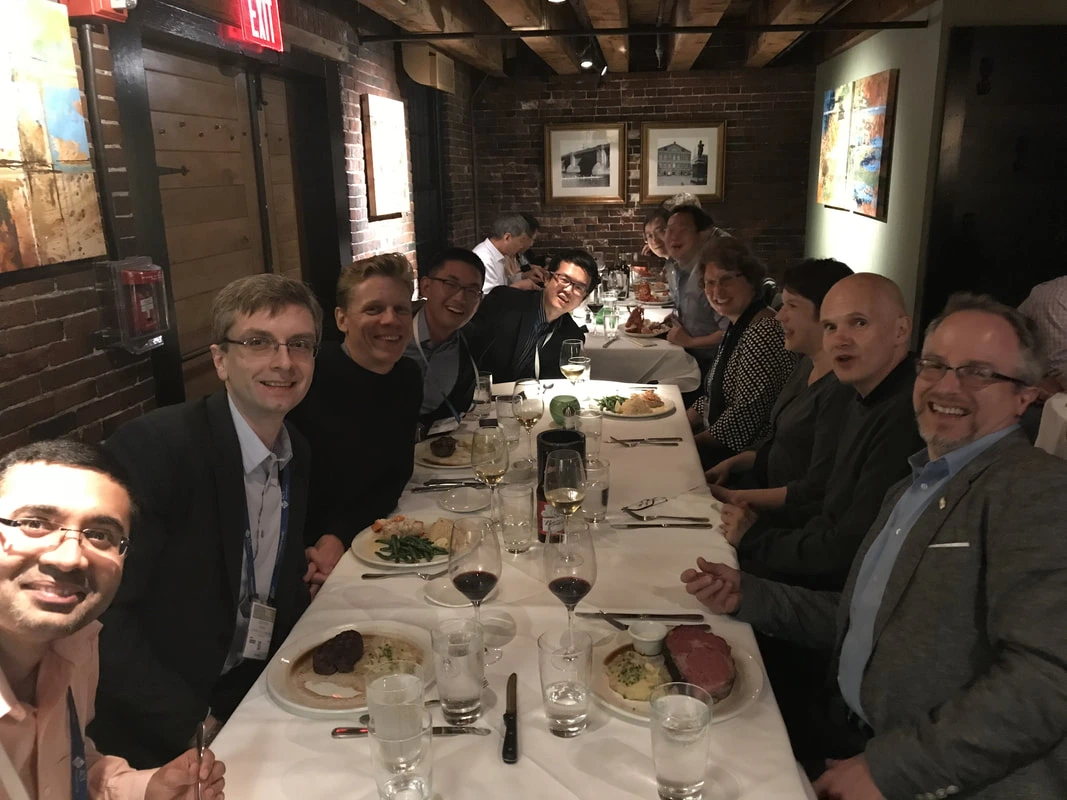
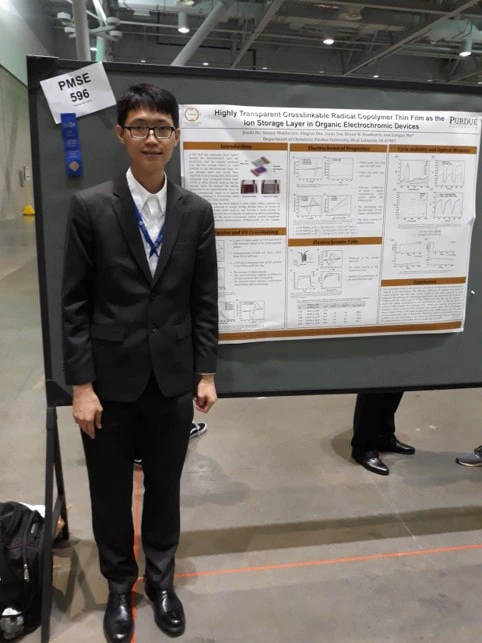
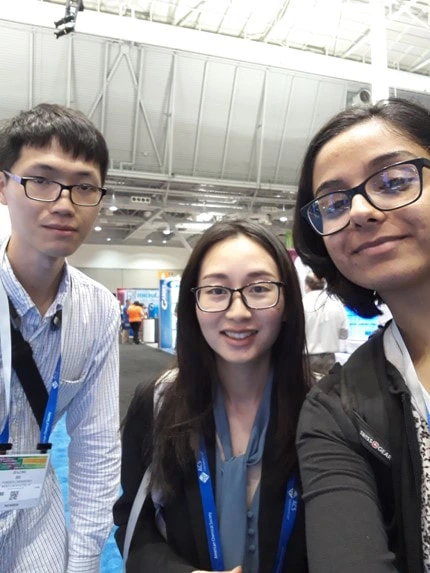
Jingfei Wang from MSE @ Cornell University completed her two months summer internship. Best wishes to your future endeavors !
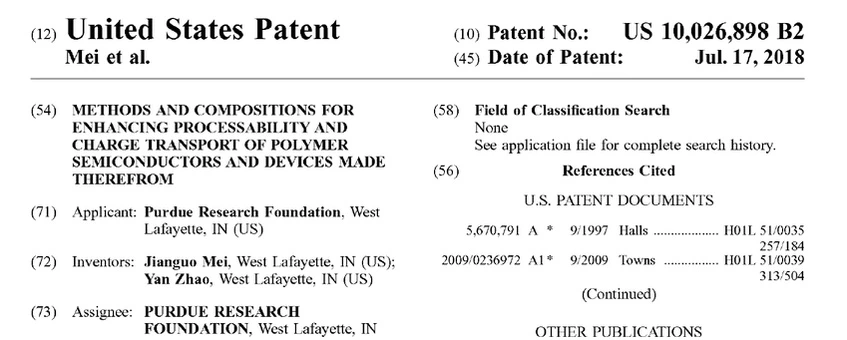
Our first US Patent @Purdue is granted today.
Xuyi’s first paper is accepted as a VIP, which will appear in the thematic issue of Organic Materials in Asian Journal of Organic Chemistry as an invited article.
Our first-joint paper with Prof. Boudouris @ChemE on Radical Copolymer Thin Film as the Ion Storage Layer in Organic Electrochromic Devices appears online in ACS Appl. Mater. Interfaces .
Aristide won a Charles Viol Fellowship for his outstanding scholarly work.
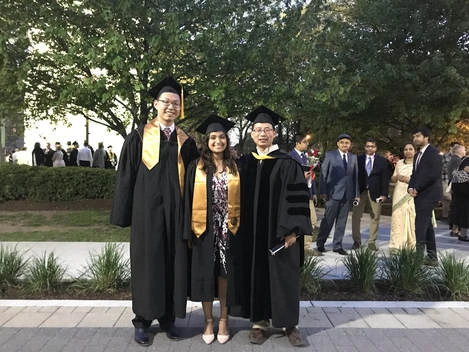
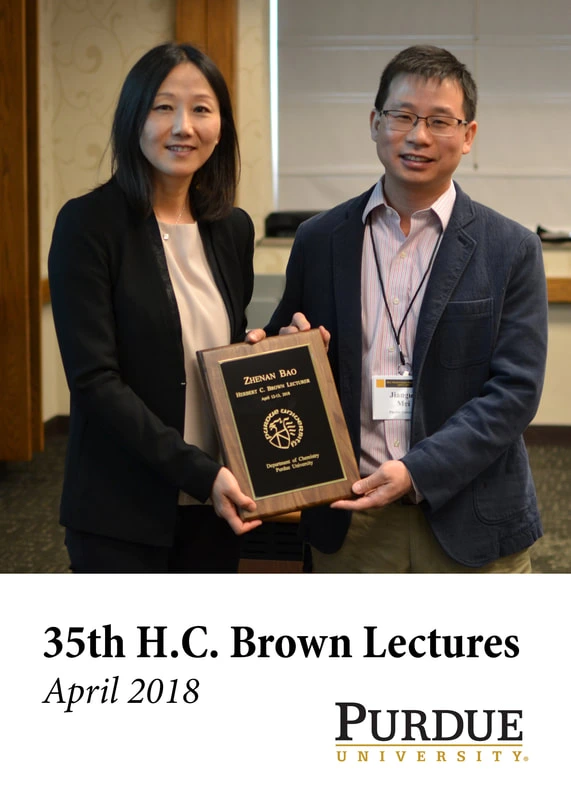
Prof. Zhenan Bao @ Stanford visited Purdue Chemistry and delivered “Designing Skin-Inspired Organic Electronic Materials” as one of the 35th H C Brown Lectures.
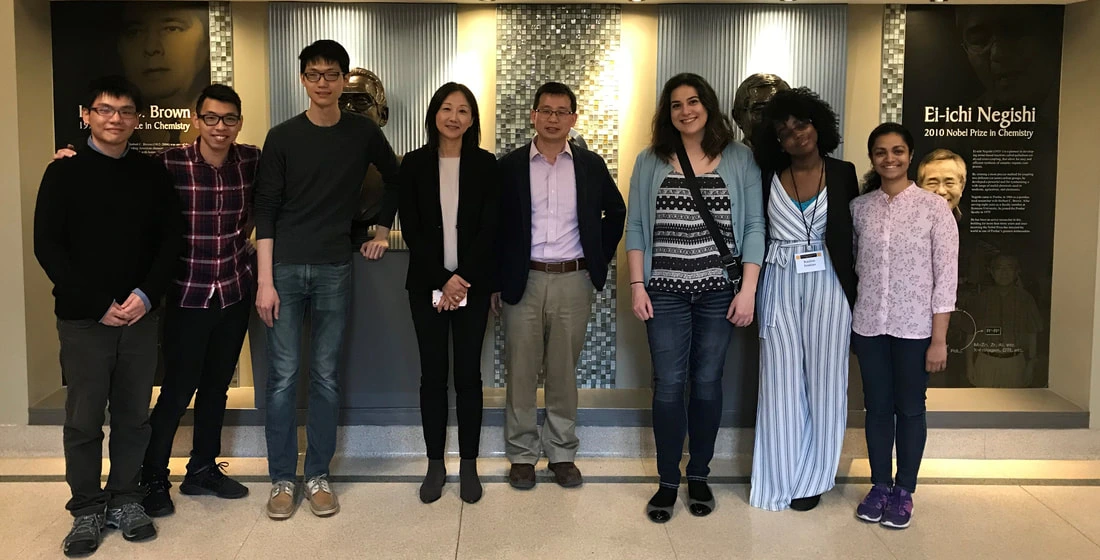
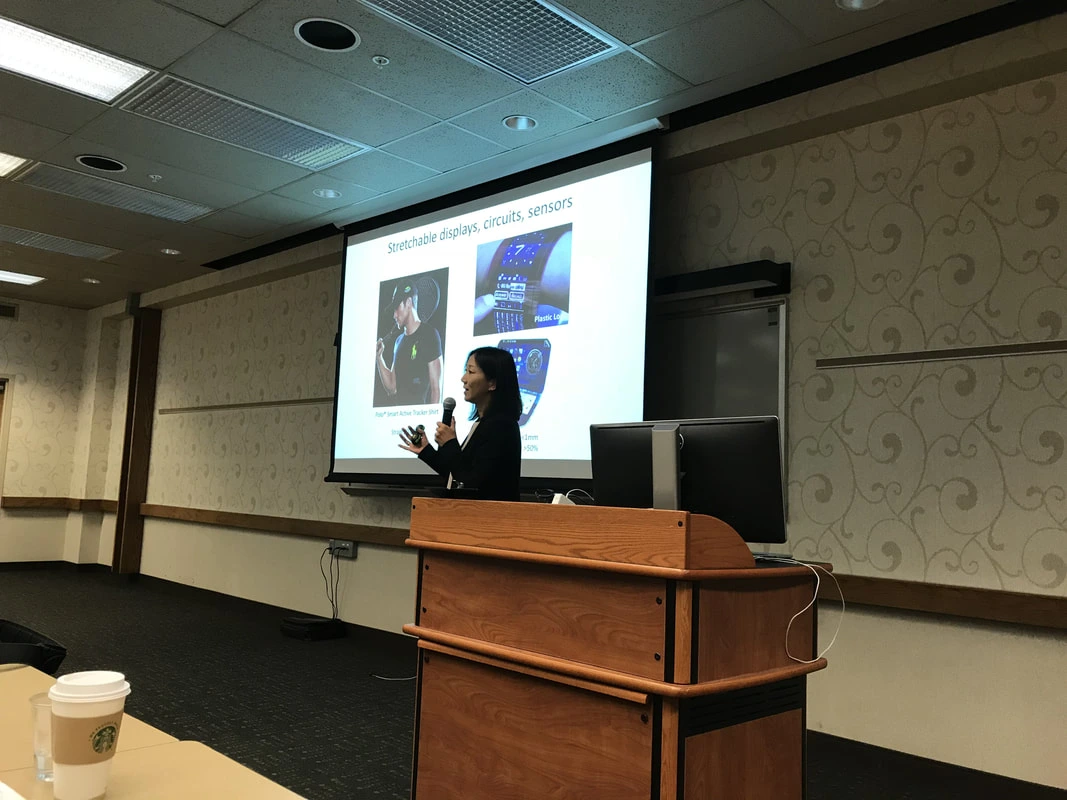
Natalie is recognized with a SURF fellowship
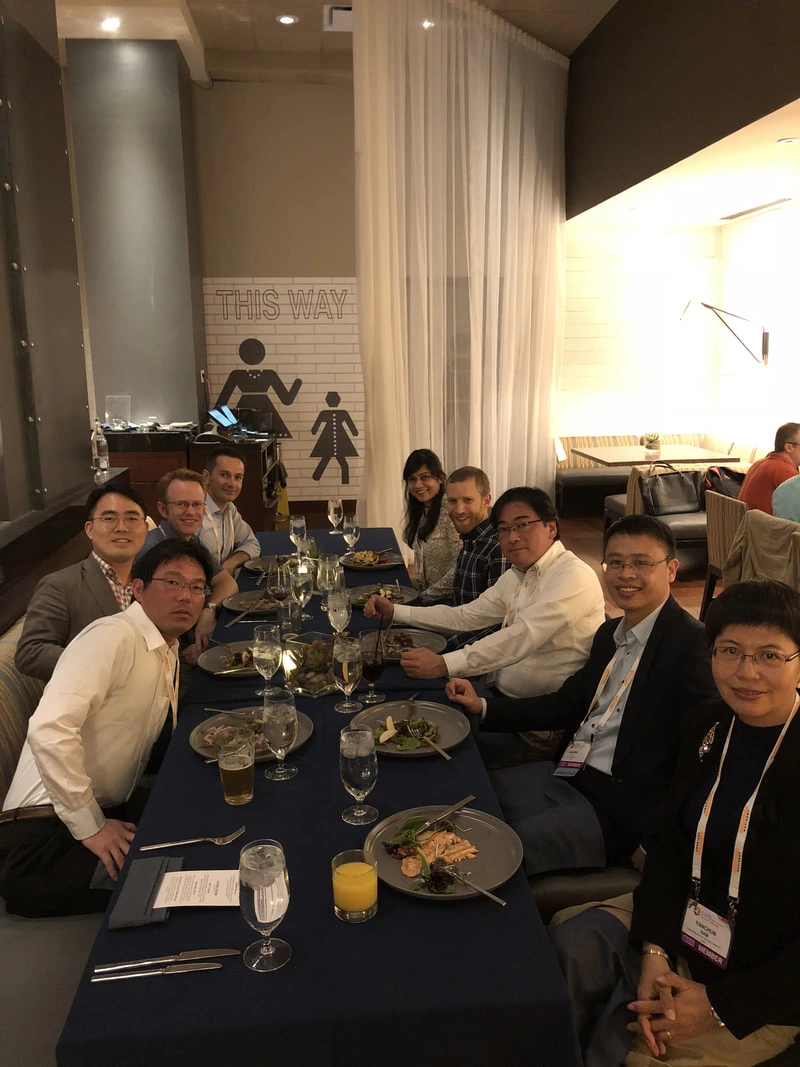
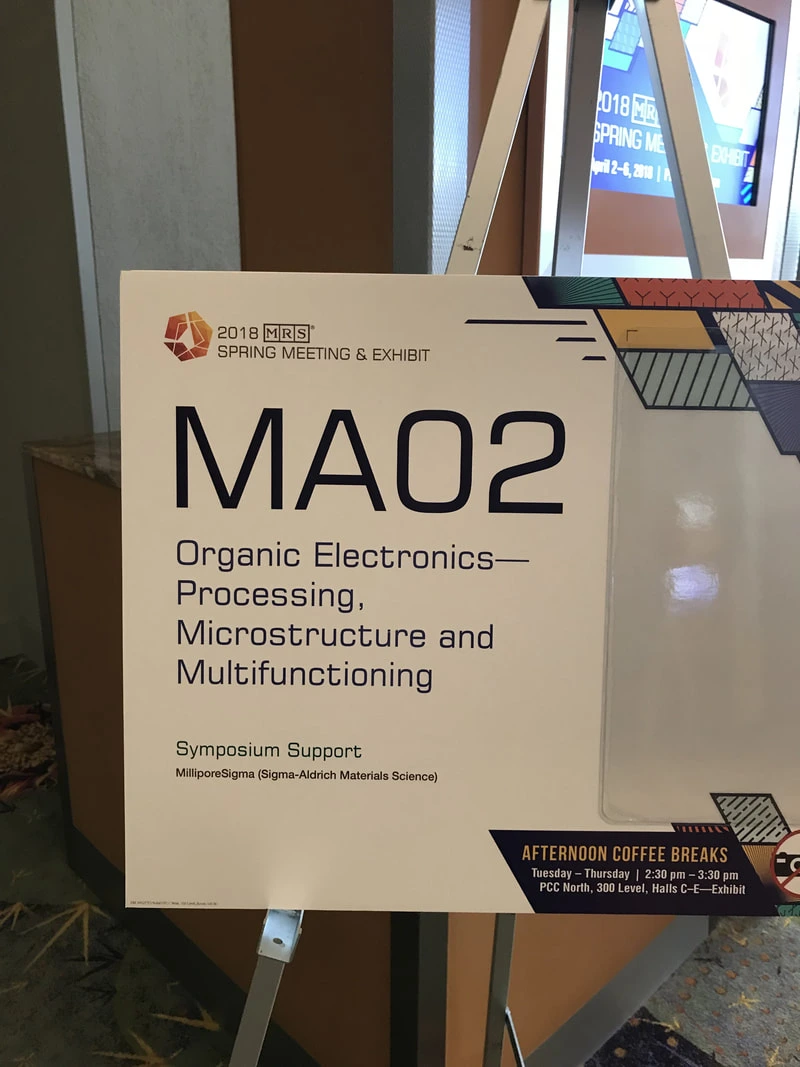
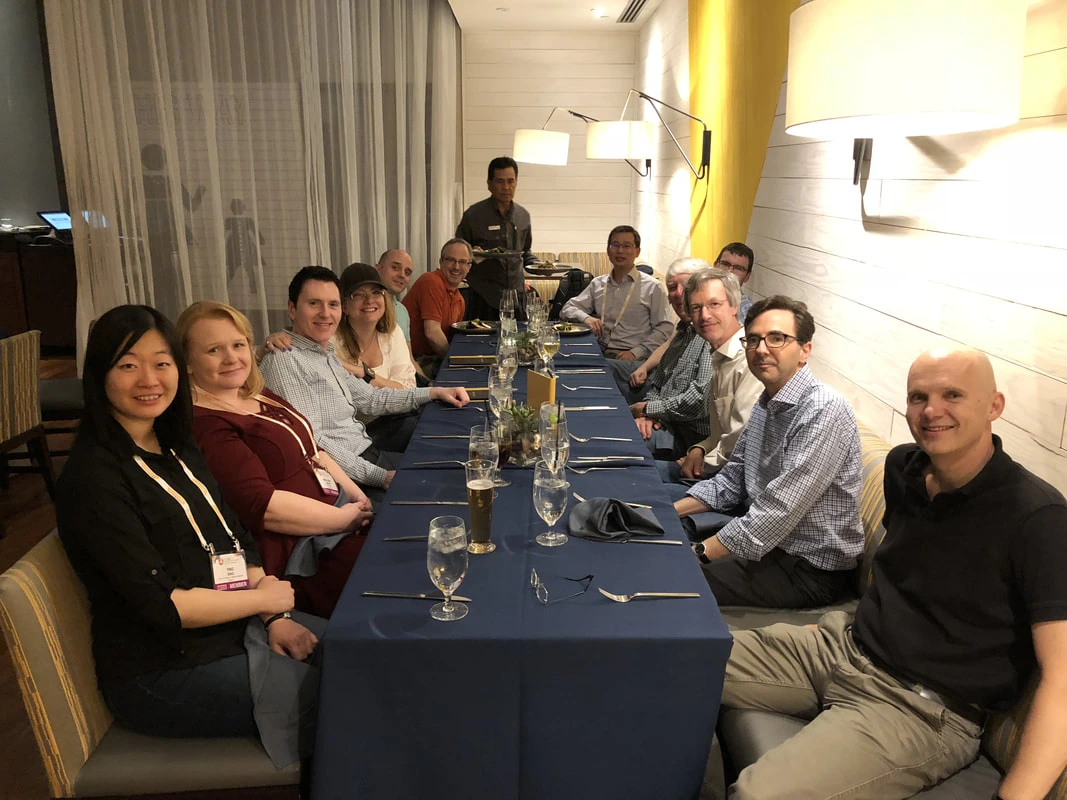
Dr. Mei, together with Hanying Li @Zhejiang University, Tina Ng @UC San Diego, Joon Hak Oh @POSTech, organized the symposium MA02 (Organic Electronics: Processing, Microstructure and Multifunctioning) with more than 120 participants at 2018 Spring MRS in Phoenix.
all five undergraduate students, Vani, Juncheng, Hongyi, Kenny and Xurui will attend graduate schools this Fall. Congrats and best wishes to their future endeavors !
Dr. Mei delivered an invited talk at the 255th ACS National Meeting & Exposition in New Orleans.
Our proposal, jointly with Prof. Bryan Boudouris @ChemE, Prof. Kejie Zhao @MechE, and Prof. Zubin Jacob @ECE, is granted. We are going to purchase a pilot-scale, high precision, slot-die coater for thin-film organic electronics.
Yan is leaving us after three and a half year in the group. He is taking a faculty position at Fudan University. Best wishes to him !
Aristide’s first paper appears online in ACS Applied Materials and Interfaces. Congrats !
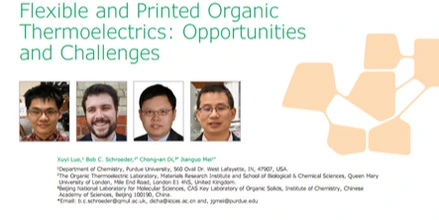
Our perspective on Flexible and Printed Organic Thermoelectrics is online, in which we discussed the opportunities and challenges.
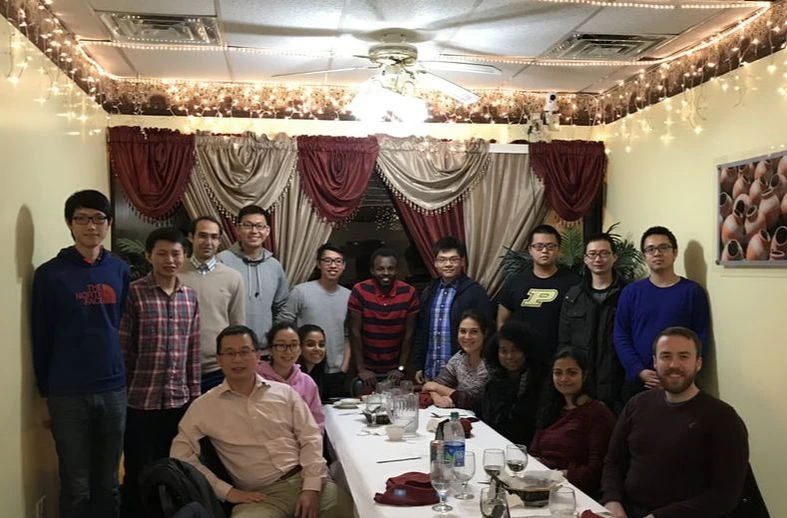
Jiazhi, Saadia, Aristead and William passed their oral qualified exams. They are officially Ph.D. candidates, the first batch of the MEI group. Congrats !
Prof. Lei Fang @ Texas A&M University visited and delivered a wonderful talk on the synthesis of ladder-type conjugated oligomers and polymers.
Dr. Mei, together with Prof. Ng, Prof. Li and Prof. Oh, will organize a symposium on Organic Electronics at the 2018 MRS Spring Meetings on April 2-6, 2018. Look forward to meeting many friends !
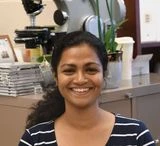
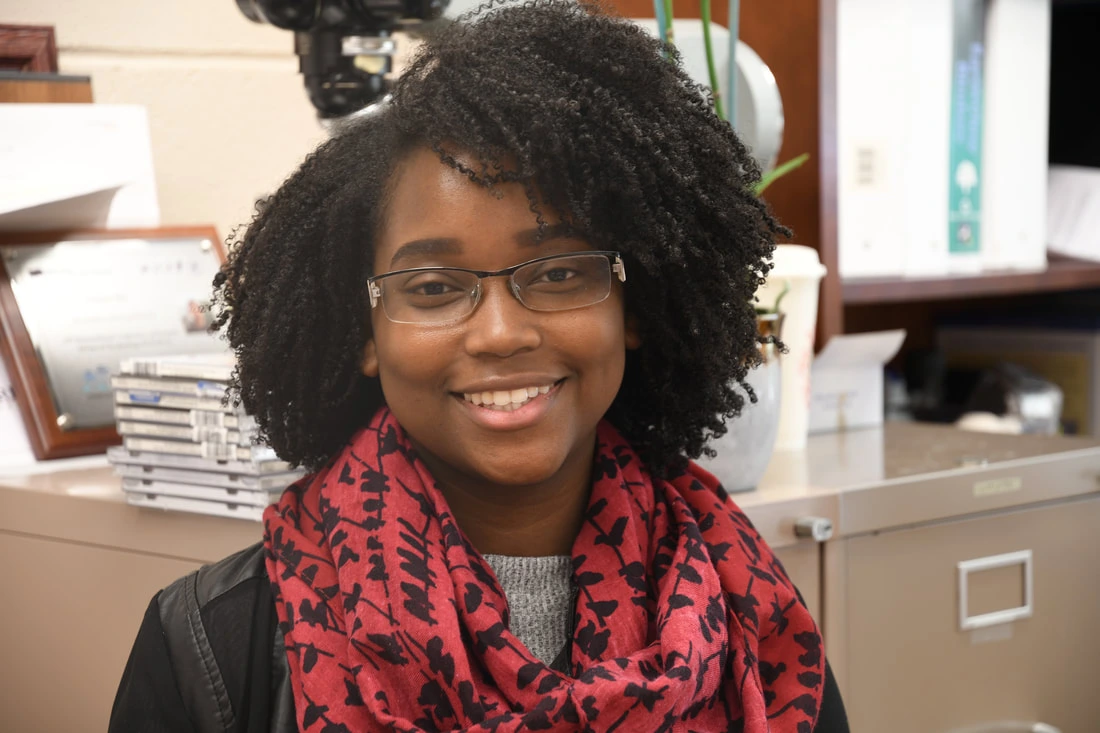
we welcome three first-year graduate students, Kuluni, and Atheena.
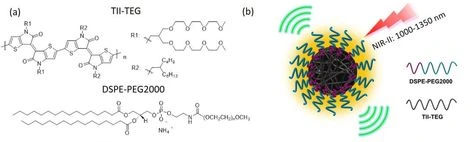
Congrats Jiayingzi and Jiazhi on their Adv. Mater., and ACS Appl. Mater. Interfaces. These two publications mark the beginning of two new research directions (polymers for biomedical imaging and polymers for energy) in the group, which complement our existing polymers for electronics.
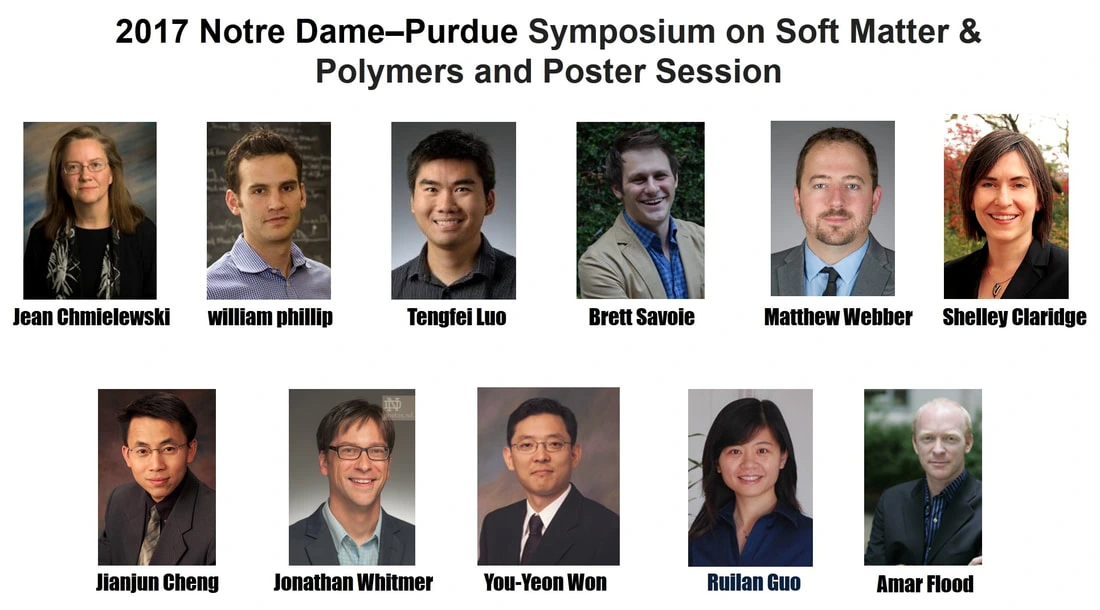
the Notre Dame-Purdue Symposium on Soft Matter & Polymers is held on Purdue campus. We welcome more than 120 registered participants, 11 invited speakers and nearly 70 poster presenters. Enjoy the science, foods and drinks. It is all FREE !
We say goodbye to Tianxiong, and welcome Dazhen to join the group at the same time. Tianxiong is an undergraduate student in Peking University, who stayed more than two months with us for his summer research. Dazhen is a postdoc fellow, who graduated from Institute of Chemistry, CAS with Prof. Chong-an Di. Dazhen is going to lead our efforts on doping of organic semiconductors and organic thermoelectrics.
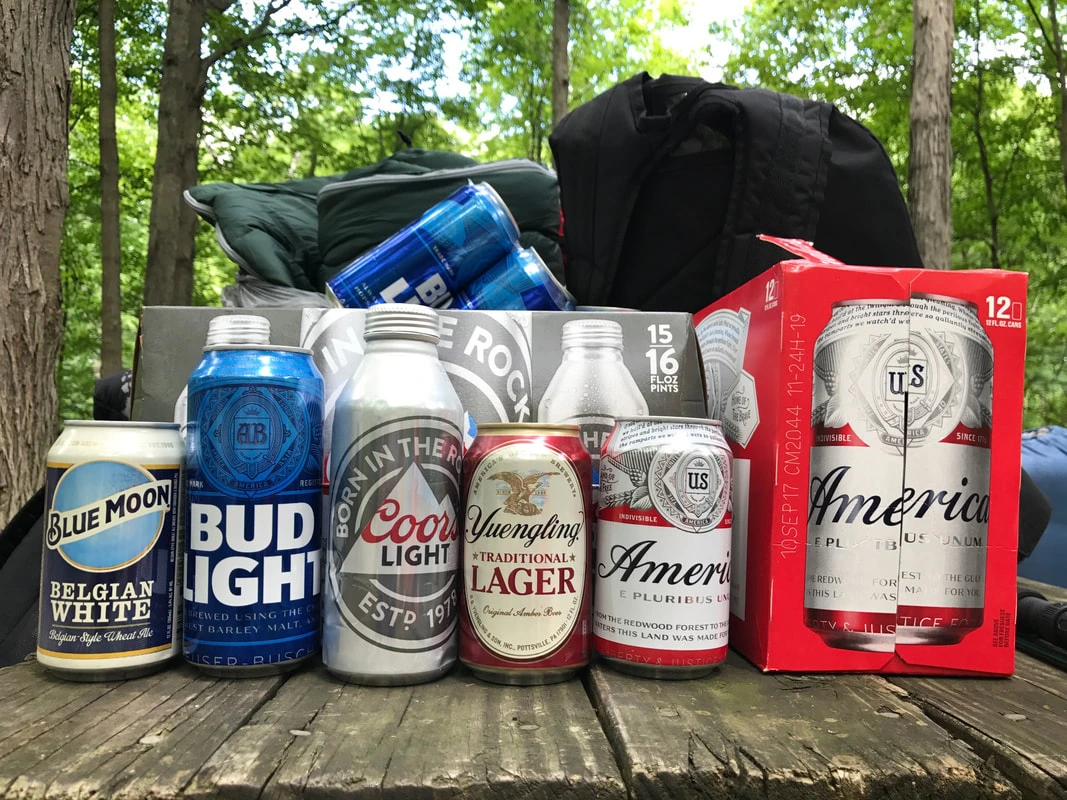
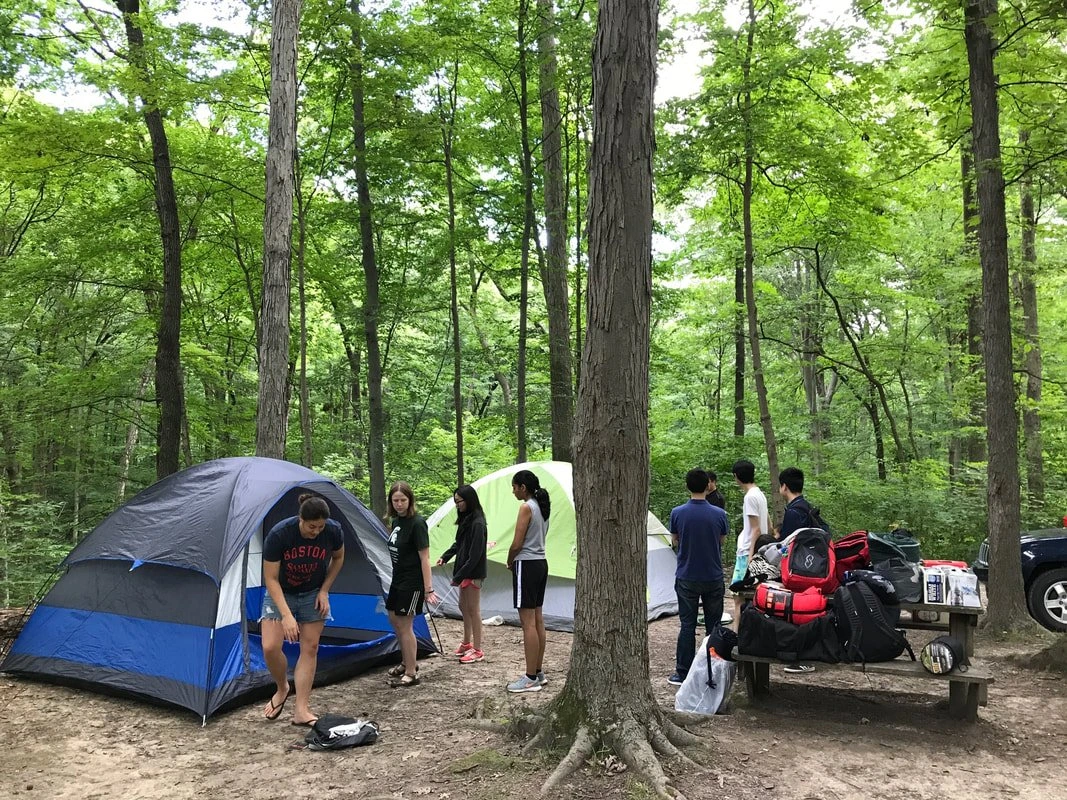
we had our group annual outing at the Turkey Run Park. Many beers and a lot fun !

we are selected for Ralph W. and Grace M. Showalter Research Trust Award with the effort on semiconducting polymers for near-IR photoacoustic imaging.
we published 5 full articles with our collaborators (Diao group @UIUC, Li group at @Zhejiang Univ and Graham @UKy and Chen group @BU) over the summer. Congratulations, Jiayingzi, Xikang, Guobiao, Ge and Erfan who led these projects and all authors who contributed to the studies.
Zero year graduate students Xingrui Zhu and Maria Misovich join us for their summer research. Xingrui was from Illinois Institute of Technology and Maria was from Michigan State University. Both will become a graduate student at Purdue in August, in Chemical Engineering and Chemistry, respectively.
Dr. Mei is selected for Teaching for Tomorrow Fellowship. Teaching for Tomorrow (TfT) Fellowship program is aimed to foster continued excellence of teaching and learning, and to facilitate the development of the teaching potential of the faculty.
Liyan and Saadia’s synthetic efforts on direct polymerization arylation appears in Poly Chem.
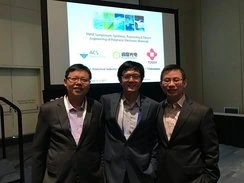
Dr. Mei co-organized the symposium of Synthesis, Processing, and Device Engineering of Polymeric Electronic Materials at 254th ACS National Meeting, San Francisco with Prof Fang @ Texas AM and Prof Di @ CAS.
Yan, Aristide and Dr. Mei presented the group research on melt-processable semiconducting polymers.

our joint proposal with Prof. Bryan Boudouris of “Variable Temperature Thermoelectric Probe Station with Magnetic Field Manipulation”, a money value of $307,000, has been funded by Defense University Research Instrumentation Program (DURIP). This unique tool will allow us to jointly study organic thermoelectrics, and millions of thanks go to DOD for the generosity.
We were informed by a google search. :-)
Yan’s work on melt processing semiconducting polymers for organic transistor is published in Advanced Materials. See the highlight here.

Xikang (left picture) successfully defended his Ph.D. thesis. Congratulations !

Aristide (right picture) awarded with a H. C Brown Travel Grant.
Dr. Mei received the NSF Career Award. Thanks for the support.
The CAREER proposal seeks to understand the nature of flow-induced chain alignment and the resulting morphology and its impact on optical, electronic and mechanical properties in melt-processed complementary semiconducting polymer blends (c-SPBs).

we received ACS PRF DNI grant for C-H activation.
Welcome first-year graduate students Xuyi and Dung Trong.
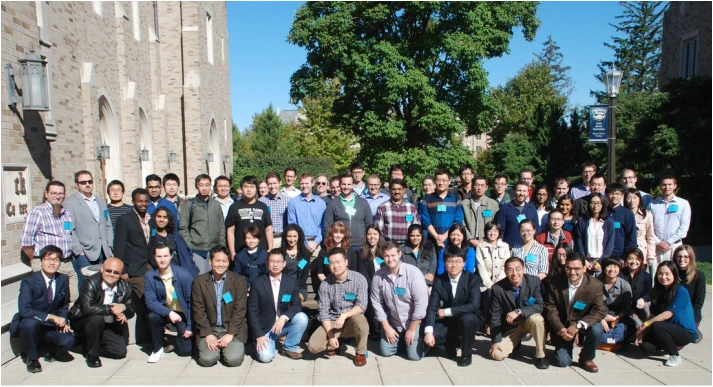
the Notre Dame-Purdue Symposium on Soft Matter & Polymers was held at Notre Dame’s Eck Visitor’s Center. It attracted more than 70 participants and 37 posters. The next Notre-Dame Purdue symposium will be held on the Purdue Campus (West Lafayette).
Dr. Mei gave an invited talk titled with “Melt-processing complementary semiconducting polymer blends for organic transistors” at the 11th International Conference of Electroluminescence and Optoelectronic Devices (ICEL) in Raleigh, NC.
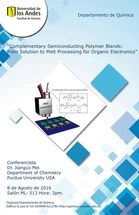

Dr. Mei visited Department of Chemistry at Universidad de los Andes, Bogota, Colombia, and gave a talk on a Journey with Semiconducting Polymers and Organic Electronics. He had a great time there. Thanks Prof. Maria and Prof. Baumann for hosting.
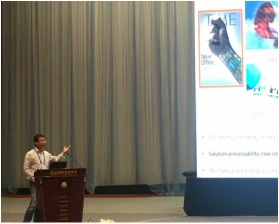
Dr. Mei had a week-long tour in China. On June 25th, he shared the research progress with Dr. Chong-an Di and Dr. Daoben Zhu at Insititute of Chemistry, Chinese Academia of Sciences, Beijing.
On June 26th, he had a lively discussion with Prof. Hanying Li in Guangzhou. On June 27th, Dr. Mei presented a talk tilted with “ Complementary Semiconducting Polymer Blends: A Venue to Melt Processing” at ICSM2016 in Guangzhou and celebrated 40 years of ICSM with colleagues and friends.
Dr Mei, together with other PIs, is awarded with 2016 Purdue Major Scientific Equipment Award. The fund will be used to purchase a fluorometer with near-IR II window capability.

Vani is awarded with the Falkner Summer Research Award. Congratulations, Vani !
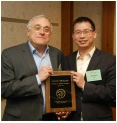
Prof. Klaus Muellen presented a talk on “ The Chemist’s Carbon Nanostructures as Functional Multitalents” for the Herbert C Brown Lectures in Organic Chemistry. It was a fantastic promotion for Organic Chemistry in Materials and Polymer Science.

Xikang and Yan’s artilce on CBS length effect is online in Macromolecules.
Good job !

Dr. Mei is a 2016 ONR Young Investigator Award Recipient. Thanks for the support!
Prof. Kyle Plunkett from SIU visited us and delivered a talk on “Synthesis of CP-PAH Based Electron Accepting Materials and Highly-Ordered Polymer Nanostructures”
undergraduate researcher Rachel Rahn received one semester of funding from the SRC Education Alliance URO program. Congratulations, Rachel !

Visiting student Tianbai joins us from Department of Information Science and Electronics Engineering at Zhejiang University. Tianbai has expertise in solid state sensing devices. He will stay with us for a year and explore the potentials of our home-made polymers for flexible electronics. Xu, et al., High resolution skin-like sensor capable of sensing and visualizing various sensations and three dimensional shape
The e-Polymer Lab welcomes a visiting graduate student, Guobiao and four graduate students Aristide, Jiazhi, Saadia and William! We are growing bigger and stronger!


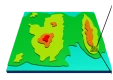
our work, titled “Complementary Semiconducting Polymer Blends (c-SPBs) for Efficient Charge Transport” is accepted by Chem Mater. In this study, we present complementary semiconducting polymer blends (c-SPBs), aiming to provide solutions for both fundamental understanding of charge transport and the processability problem.

Rachel Rahn, an undergraduate researcher in the e-Polymer Lab, won the first place award for the best URO presentation at the 2015 Semiconductor Research Corporation TECHCON conference in Austin, TX. Rachel was recognized for her research performed together with the Postdoctoral Fellow Yan Zhao, titled “Analysis of the Fabrication Conditions in Organic Field-Effect Transistors”. TECHCON is the primary event for Semiconductor Research Corporation (SRC) to showcase the best of research sponsored by the membership and students performing the research. It is also the venue for recognizing industry and university participants who make SRC a world-class research management organization. Congratulations, Rachel !
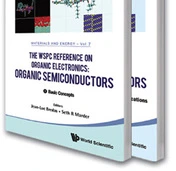
WSPC Reference on Organic Electronics: Organic Semiconductors (edited by Jean-Luc Bredas & Seth R Marder) is ready. This 2-volume set provides the reader with a basic understanding of the foundational concepts pertaining to the design, synthesis, and applications of conjugated organic materials used as organic semiconductors, in areas including organic photovoltaic devices, light-emitting diodes, field-effect transistors, spintronics, actuation, bioelectronics, thermoelectrics, and nonlinear optics.
Dr. Mei made a contribution to OFETs: Basic Concepts and Materials in volume 2.

our contributed work is published in Advanced Materials, titled of “Diketopyrrolopyrrole-Based Semiconducting Polymer Nanoparticles for In Vivo Photoacoustic Imaging”. Briefly, diketopyrrolopyrrole-based semiconducting polymer nanoparticles with high photostability and strong photoacoustic brightness are designed and synthesized, which results in 5.3-fold photoacoustic signal enhancement in tumor xenografts after systemic administration.
perspective graduate student Aristide Gumyusenge completed the summer research with us.
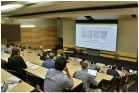
Dr. Mei presented a contributed talk, titled of “Complementary Semiconducting Polymer Blends for Efficient Charge Transport”, at the 12th International Symposium on Functional π-Electron Systems (Fπ-12) in Seattle. Thanks Prof. Christine Luscombe (University of Washington) and Prof. Thuc-Quyen Nguyen (University of California, Santa Barbara) for organizing the event.
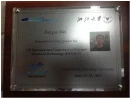
Dr. Mei presented an invited talk, titled of “Complementary Semiconducting Polymer Blends for Efficient Charge Transport”, at the 13th Polymers for Advanced Technologies in Hanzhou, organized by Zhejiang University.
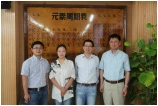
Dr. Mei delivered the Xuetang Lecture in the Department of Chemistry at Tsinghua University, titled of “From Silicon to Carbon: the Rise of Organic Semiconductors for Emerging Electronic Applications”.
During the two-weeks trip of June 22- July 5th in China, Dr. Mei visited Prof. Zhang Xi’s group at Tsinghua University, Prof. Pei Jian’s group at Peking University, Prof. Di Chong-an’s group at ICCAS, Prof. Li Hanying and Prof. Chen Hongzheng’s group at Zhejiang University. Thanks for hosting. It was a great time !
Our recent work on “Conjugation-Break Spacers in Semiconducting Polymers: Impact on Polymer Processability and Charge Transport Properties” published in Macromolecules joins the Most Read Articles in May.

Congratulations to Michael Abu-Omar, recipient of 2015 Margerum award for summer research!

Congratulations to Xikang Zhao, recipient of 2015-2016 Purdue Research Foundation (PRF) research Fellow !

Congratulations to Rachel Rahn, recipient of the 2015 Summer Undergraduate Research Fellowship! She has also seized the SRC opportunity to do undergraduate research with us on organic semiconductors.
the first paper from Purdue is online and appears in Macromolecules, titled with “Conjugation-Break Spacers in Semiconducting Polymers: Impact on Polymer Processability and Charge Transport Properties”.
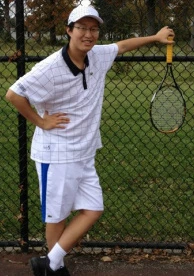
graduate student Xikang joins our team ! Xikang obtained his B.S. degree from Peking University in 2012. He is going to explore eletroactive polymers for flexible electronics.
Welcome Dr. Yan Zhao to join our team ! Dr. Zhao obtained his Ph.D. from Institute of Chemistry, Chinese Academy of Science. He is going to lead our investigation on materials processing and device fabrication.
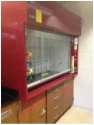
we officially moved into WTHR 465 !!! Bright office and Clean Hoods. Thanks go to the Chemistry maintenance team and the Dai Group, the former owner !
Jianguo officially accepted the position as an assistant professor from the Department of Chemistry at Purdue University.
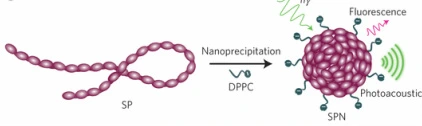
“Semiconducting polymer nanoparticles as photoacoustic molecular imaging probes in living mice” appeared in Nature Nanotechnology. These results demonstrate semiconducting polymer nanoparticles to be an ideal nanoplatform for developing photoacoustic molecular probes.
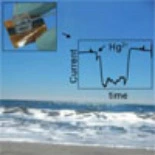

“Highly stable organic polymer field-effect transistor sensor for selective detection in the marine environment” appeared in Nature communications. This discovery has potential for inexpensive, ink-jet printed, and large-scale environmental monitoring devices that can be deployed in areas once thought of as beyond the scope of organic materials.
“Side Chain Engineering in Solution-Processible Conjugated Polymers” is one of most read articles in Chemistry of Materials.
Isoindigo, A Versatile Electron-Deficient Unit For High Performance Organic Electronics, published online as an invited Perspective for 25th Anniversary of Chemistry of Materials. It becomes one of the most read articles in December, 2013.
“Flexible polymer transistors with high pressure sensitivity for application in electronic skin and health monitoring” in Nature Communications has garnered media attention from a variety of new outlets, including Stanford News and Gizmag. The work involved Electrical Engineering graduate student Benjamin C.-K. Tee and postdoctoral scholars Jianguo Mei, Anthony L. Appleton, Do Hwan Kim, and Huiliang Wang. Stanford University produced a short video on the research that can be seen here. I contributed to the design and synthesis of the semiconducting materials.
Integrated Materials Design of Organic Semiconductors for Field-Effect Transistors published online as an invited Perspective for Journal of American Chemical Society.
The work on sorting of large-diameter carbon nanotubes published with Evan Wang in ACS NANO has been reported by Materials 360.