

Living Electronics: Conducting Polymers Grown In Vivo
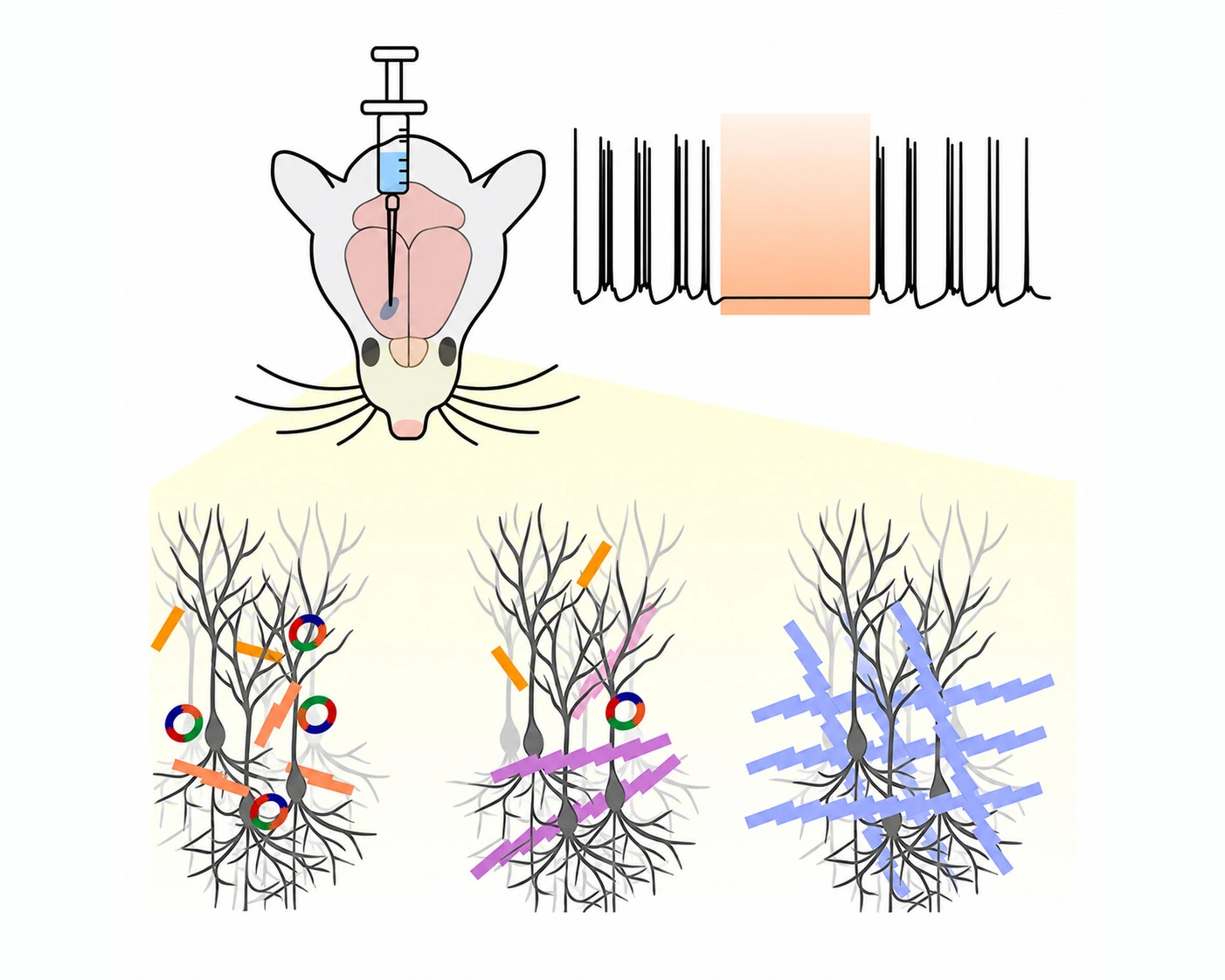
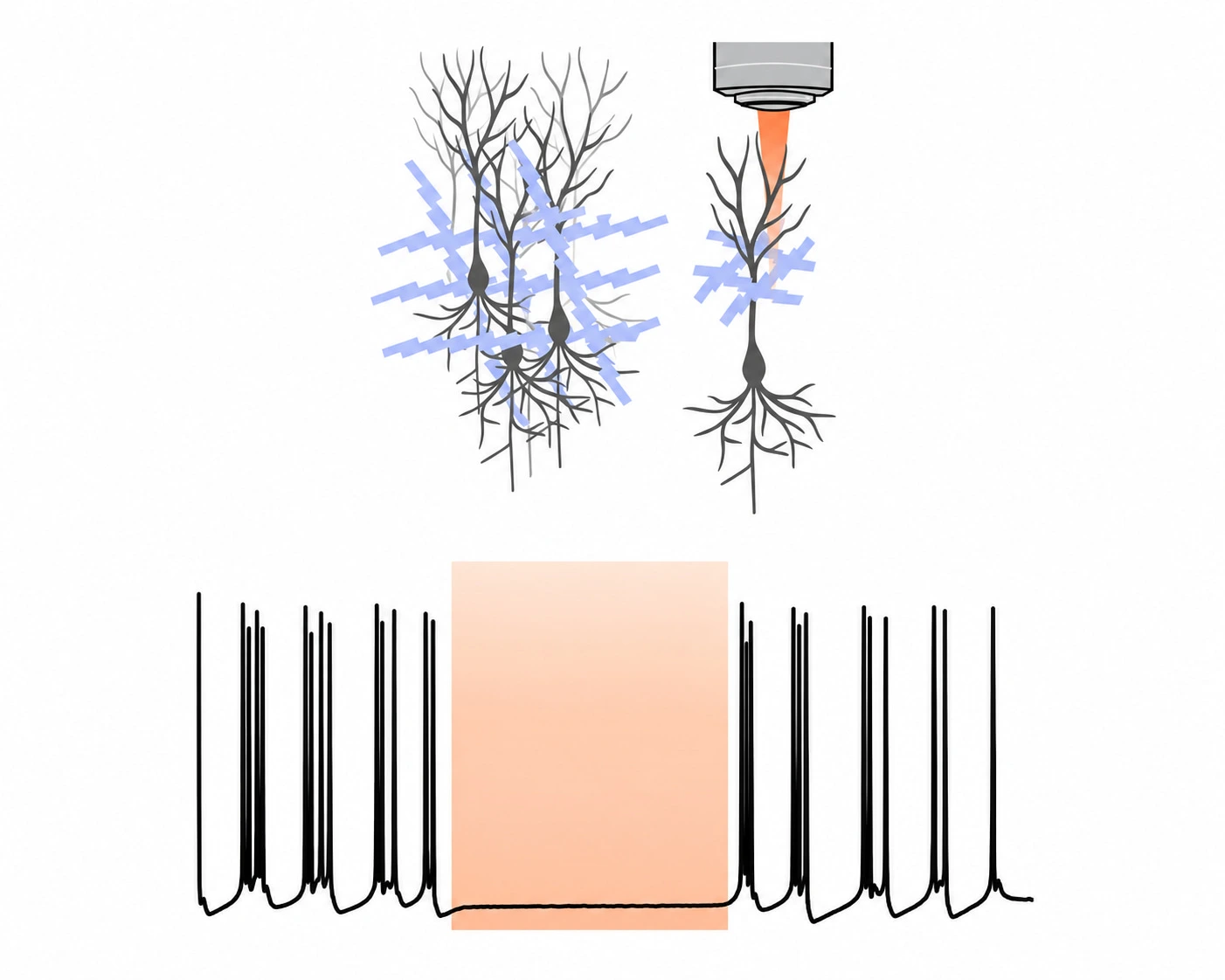
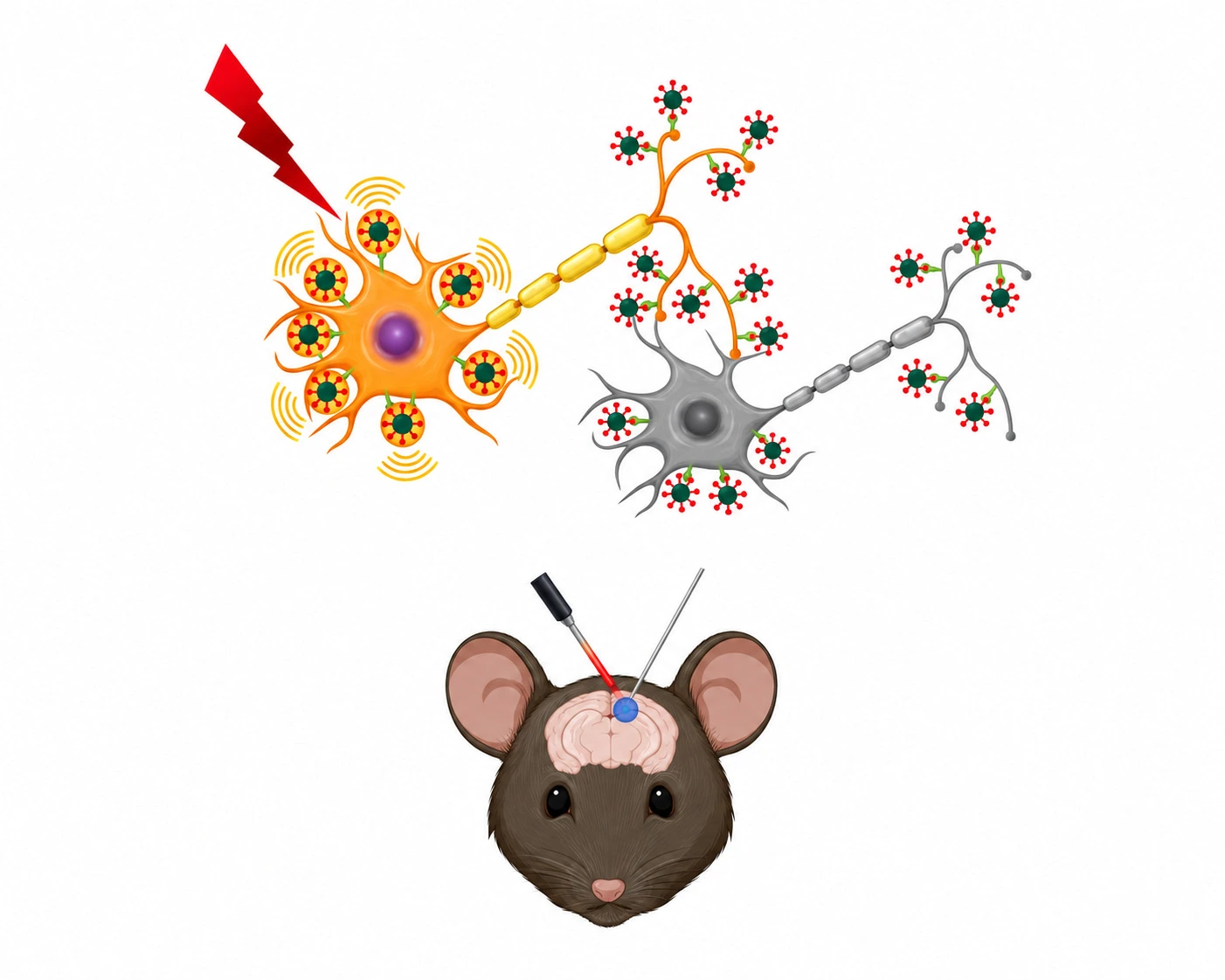
Conventional bioelectronic devices are fabricated outside the body and then connected to tissue by implantation or other means. Living electronics takes a different approach: the electronic material grows in situ inside the living body and merges naturally with the nervous system. A reaction catalysed by endogenous heme proteins in the blood forms a conducting n-PBDF polymer network directly in living tissue, fusing material and tissue together. Combined with near-infrared light stimulation, the material’s photothermal response provides millisecond-scale, reversible suppression of neural excitability in mice, without rigid implants or genetic modification. The goal is long-term, precise, bidirectional integration with and modulation of the living nervous system. This direction is the focus of the center’s first stage, which aims to reveal the relationships between material formation, electron and ion transport, tissue-interface properties and biological response.