Min Chen†, Dongyang Wang†, Ye Zou, Changsheng Chen, Xixian Yang, Lixin Niu, Guan Sheng, Jin Wang, Lucas Q. Flagg, Lee J. Richter, Bethany A. Phillips, Bufan Xiao, Guangchao Liu, Liyan You, Julia Laskin, Dean M. DeLongchamp, Kejie Zhao, Ye Zhu, Chong-an Di*, Jianguo Mei*
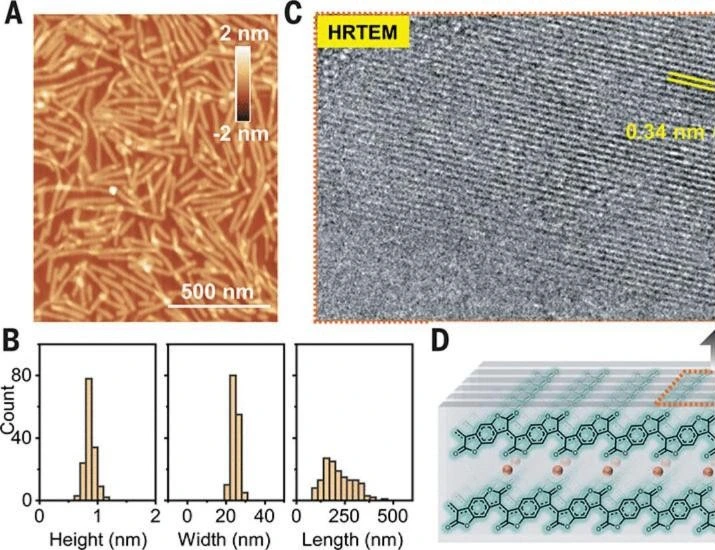
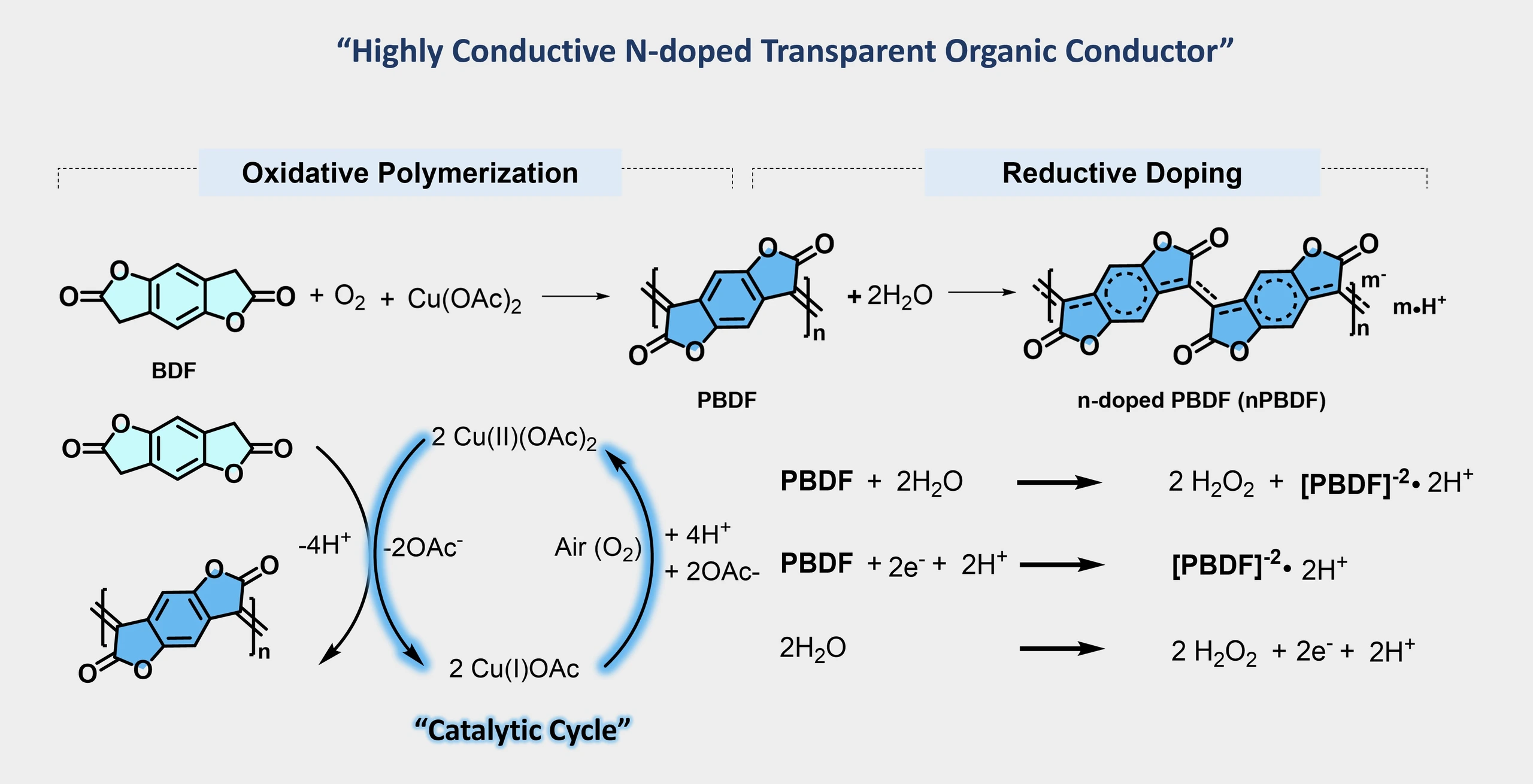
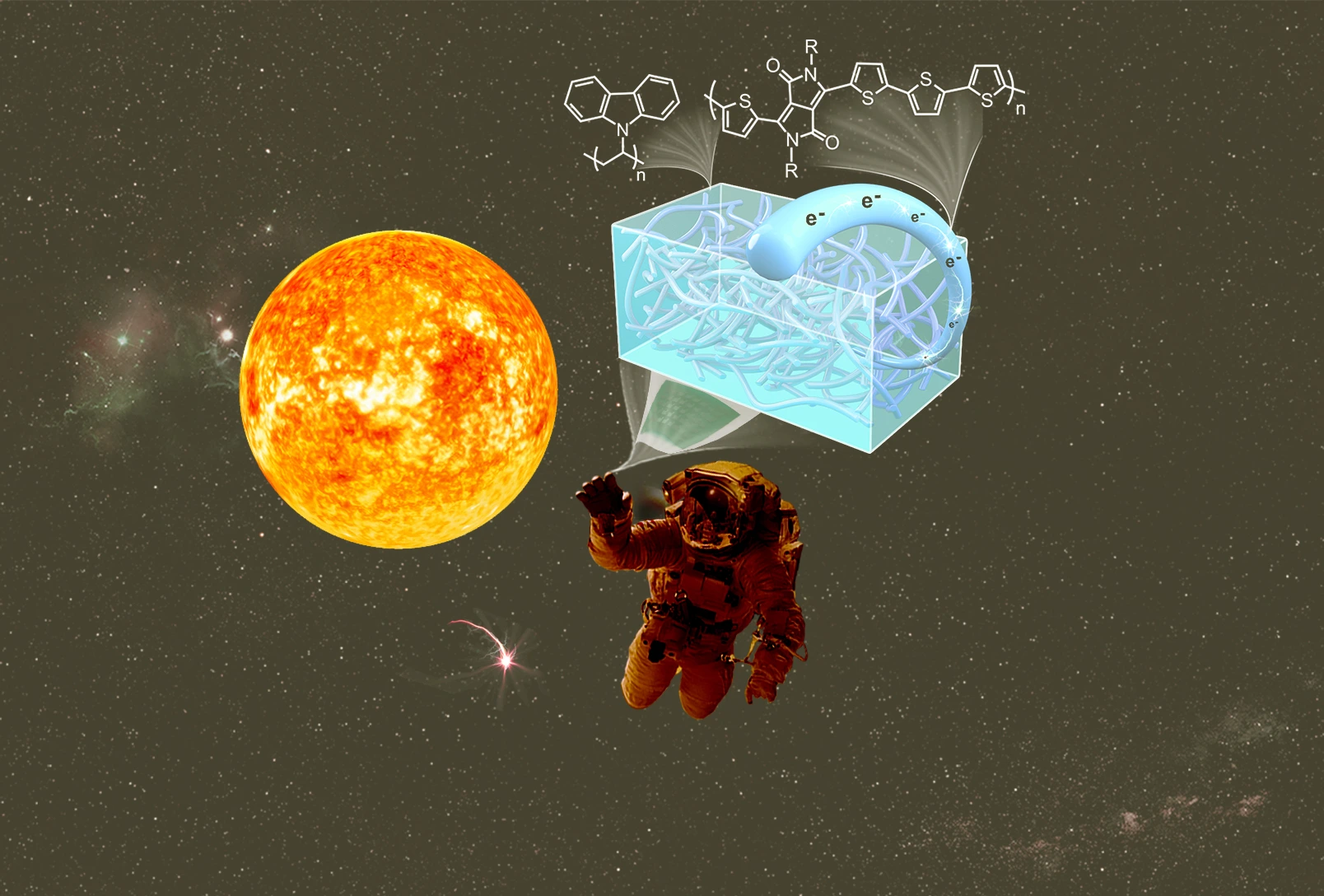
Polymer growth, doping and assembly occur together to create long, ordered n-PBDF nanoribbons. Cooperative molecular interactions stabilize extended chains, and aligned films achieve conductivity comparable to metallic materials.
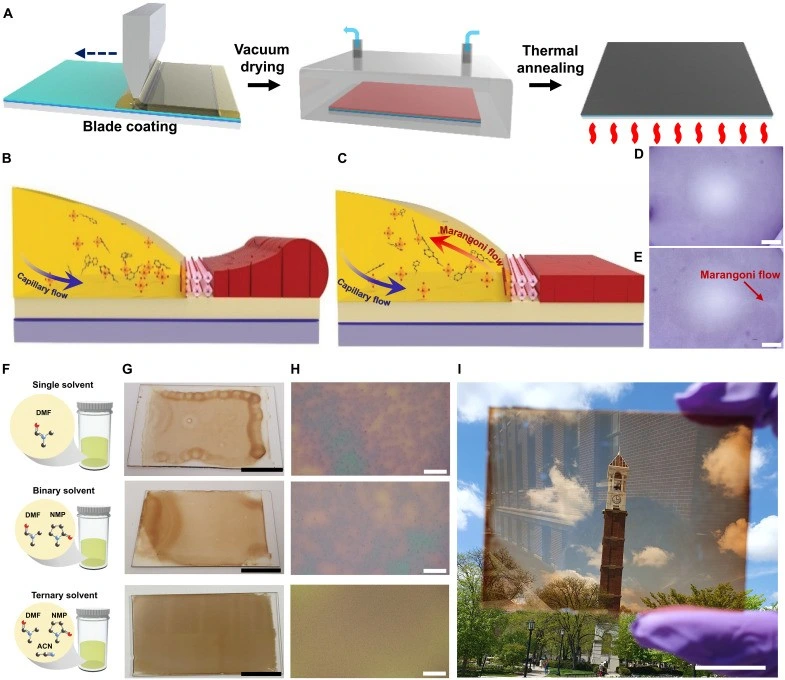
Scalable fabrication of uniform perovskite films is a critical bottleneck for large-area perovskite light-emitting diodes (PeLEDs), hindered by coffee-ring formation and heterogeneous crystallization upon scaling. Here, we report a multimodal solvent-engineering strategy enabling highly uniform films via ambient blade coating combined with vacuum-assisted solvent evaporation. Incorporating N-methyl-2-pyrrolidone (NMP) and acetonitrile (ACN) into a dimethylformamide (DMF)–based system synergistically modulates evaporation dynamics: It suppresses macroscopic solute segregation through Marangoni flow–induced redistribution, while tuning precursor coordination to regulate nucleation/phase conversion and promote radiatively efficient film formation. Consequently, the ternary formulation yields films with improved uniformity, reduced trap densities, and enhanced radiative efficiency. Near-infrared (NIR) PeLEDs achieve peak external quantum efficiencies of 25.2% (10 mm2), 22.1% (60 mm2), and 19.0% (224 mm2). A functional vein-imaging prototype is also demonstrated using a 224-mm2 device, highlighting the impact for large-area optoelectronic applications.
Jiao Suo, Yifan Liu, Augustine O. Yusuf, Kenneth R. Graham, Liyan You, Inho Song*, Jianguo Mei*
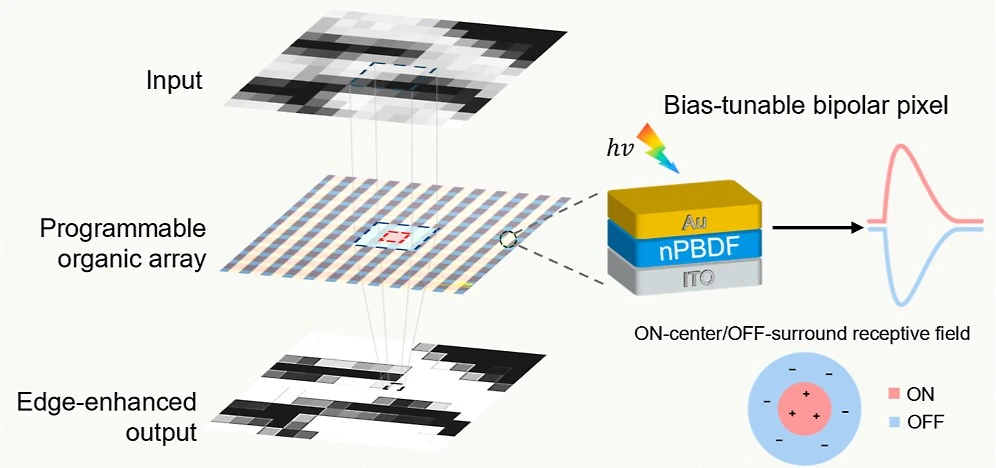
A two-terminal n-doped polymer device changes the sign of its photoresponse at low operating voltage. Electrode asymmetry and doping control support retina-inspired visual processing, including image enhancement and trainable classification in device arrays.
Uttam Pal, Reed M. Woolard, Priyanka Rout, Sanket Samal, Suman Kuila, Md Masudur Rahman Rahat, Ben Shen, Juila Laskin, Stephen Barlow, Seth R. Marder, Geoffrey R. Hutchison, Jianguo Mei*
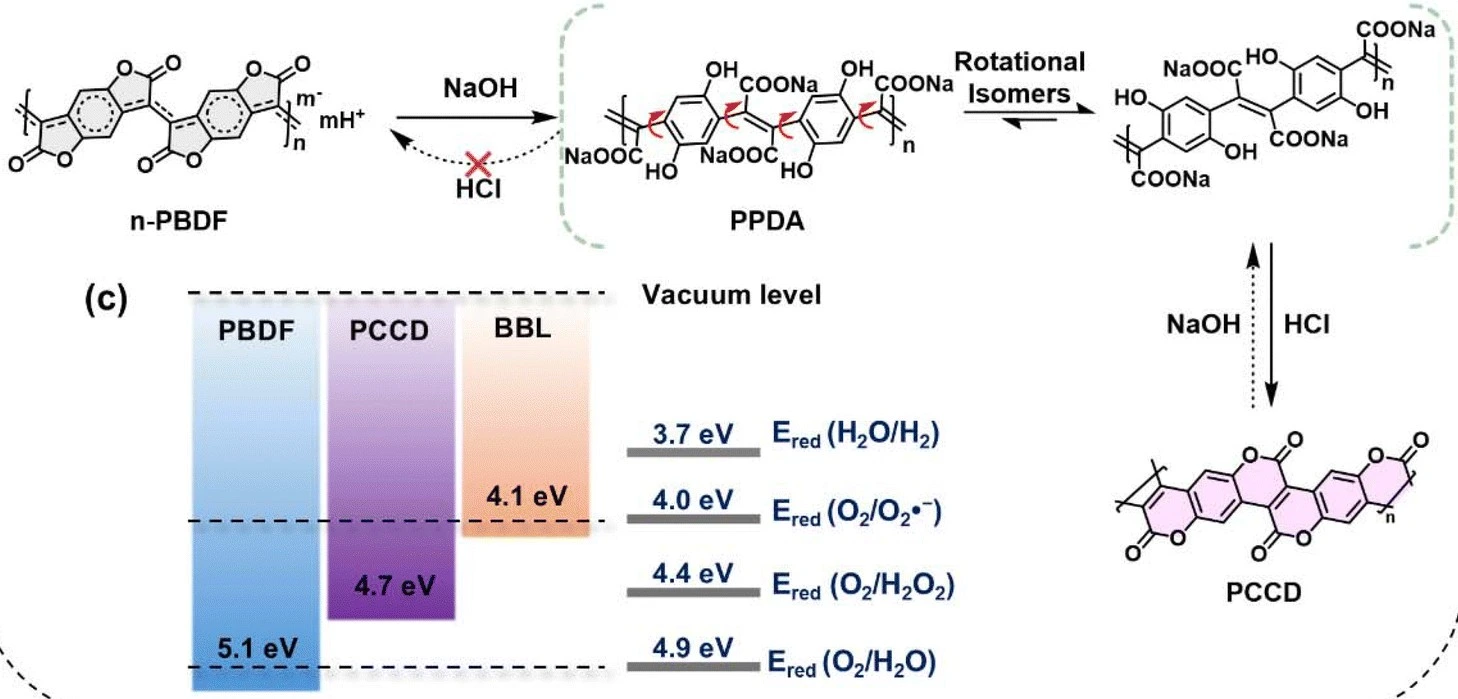
Opening the PBDF ring structure produces its PCCD structural isomer. The publisher-deposited description uses this transformation to examine how changing the polymer backbone topology affects n-type material properties.
Joseph A. Romo, Won-June Lee, Aalok Gaitonde, Liyan You, Benjamin Cerjan, Lucas Q. Flagg, Daniel Sunday, Chad R. Snyder, Dean M. DeLongchamp, Amy M. Marconnet, Jianguo Mei*
Spray-coated n-doped PBDF films combine visible transparency with electrical heating at low voltage. The study characterizes thermal transport and operating durability, then demonstrates deicing and defogging on rigid and flexible supports.
Palak Mehra, Bufan Xiao, Thy DU Phan, Jagrity Chaudhary, Won-June Lee, Bin Dong, Yina Moon, Lawal Adewale Ogunfowara, Liyan You, Priyanka Rout, Connor G Bischak, Jianguo Mei*
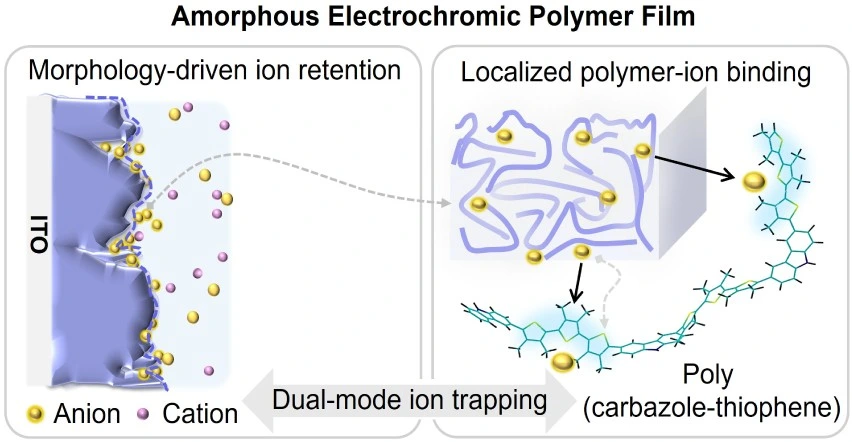
Ion trapping in an amorphous electrochromic polymer arises from both local ion binding and cycling-induced morphological damage. The electrolyte changes the balance of these mechanisms, while recovery measurements distinguish faster accessible processes from slower coupled relaxation.
Avija Ajayakumar, Jeong Hui Kim, Nemanja Ninkovic, Prashant Kumar, Chakkooth Vijayakumar, Leonid Rokhinson, Jianguo Mei, Libai Huang, Letian Dou*
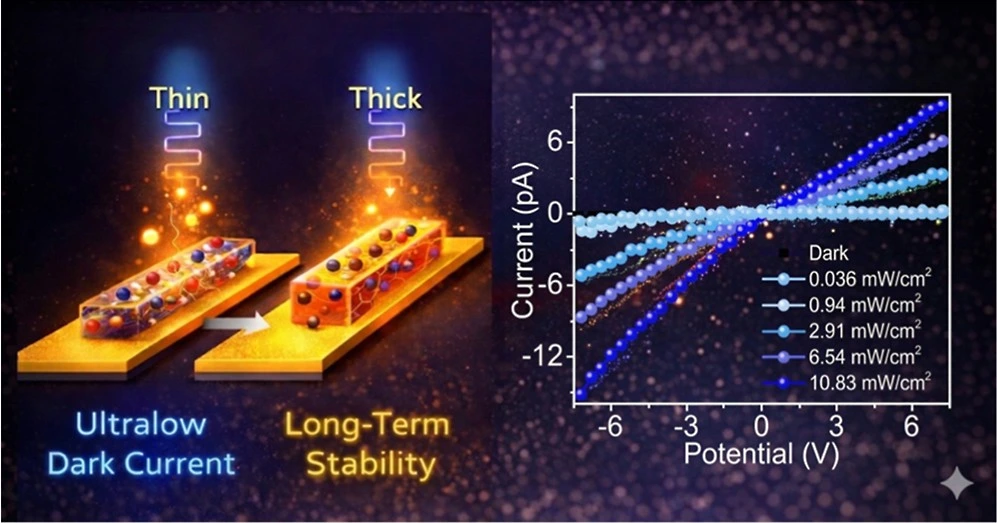
High-performance microphotodetectors require materials that combine strong light–matter interaction, fast charge transport, and ambient stability. Here, we demonstrate single-nanowire devices based on the 2D perovskite (TPA3)2PbBr4, synthesized via a controlled slow-cooling self-assembly process that yields defect-minimized, anisotropic nanowires with smooth facets. These microphotodetectors exhibit ultralow dark currents (∼10⁻¹⁵ A), high responsivity (up to 156 mA W⁻¹), and exceptional specific detectivity (∼10¹¹ Jones) under near-UV (405 nm) illumination, with rise and fall times in the millisecond regime. The superior detectivity is primarily driven by the suppression of thermal noise through the material’s ultralow dark current, while the millisecond temporal response is governed by high-intensity trap-filling dynamics. The devices maintain stable operation over 4000 s of continuous on/off cycling and show remarkable ambient stability over weeks, attributed to dense crystal packing and robust organic cation layers. Furthermore, the influence of nanowire thickness on the charge collection efficiency is systematically elucidated through optical penetration depth analysis, highlighting design principles for optimizing low-dimensional perovskite photodetectors. This study introduces single 2D perovskite nanowires as a versatile platform for miniaturized, high-performance optoelectronic devices. Keywords: perovskite nanowire, microphotodetectors, responsivity, ultralow dark current, thickness dependency
Sanket Samal, Shulan Xiao, Samantha Nelson, Om Kolhe, Hammad F. Khan, Meisam Habibi Matin, Won-June Lee, Mustafa Ahmed, Decheng Wang, Tianqi Wang, Tyler Pikes, Alicia N. Scott, J. Alejandra Rodriguez, Matthew R. Olson, Qing Deng, Elizabeth I. Parkinson, Jean-Christophe Rochet, Krishna Jayant*, Jianguo Mei*
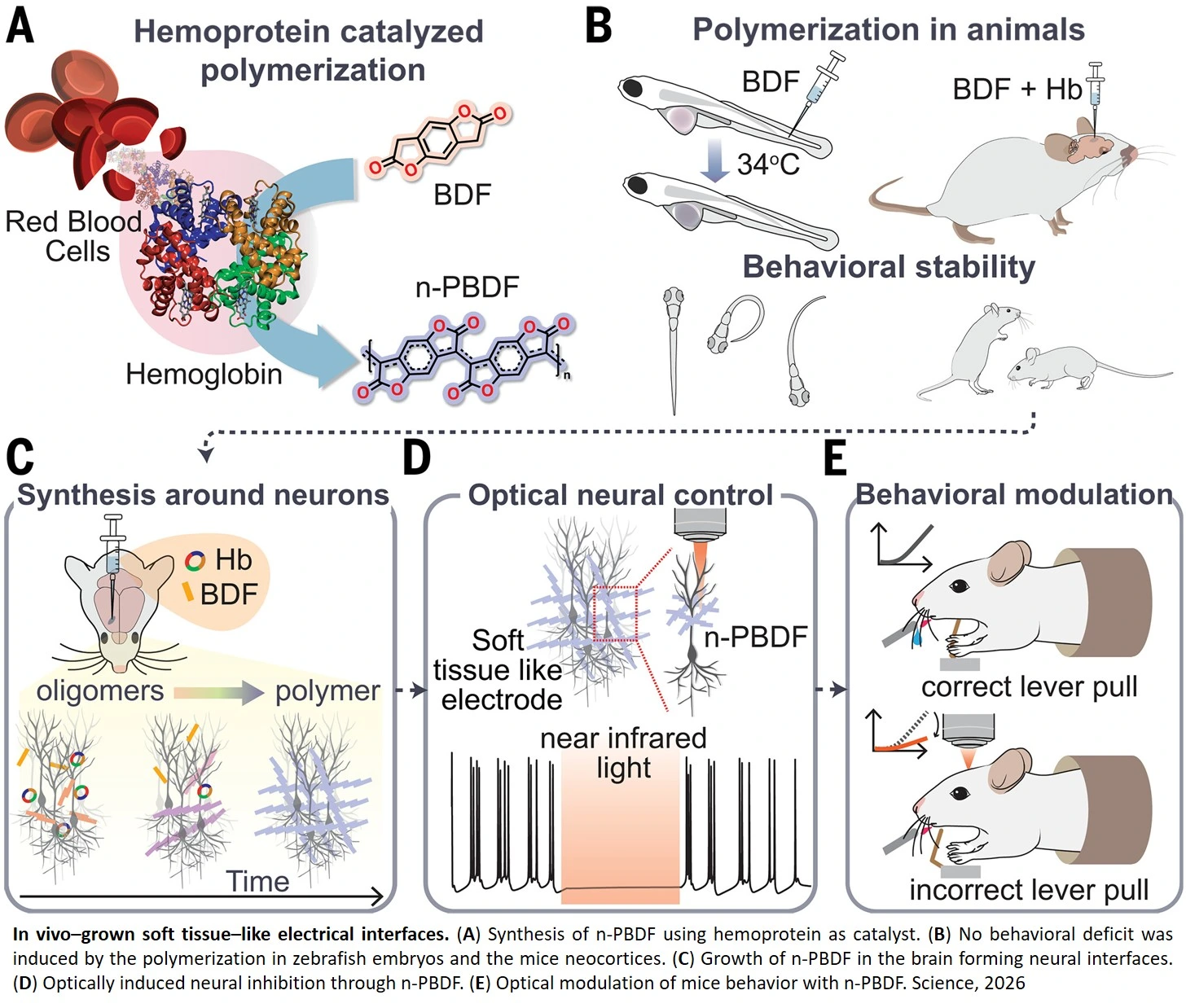
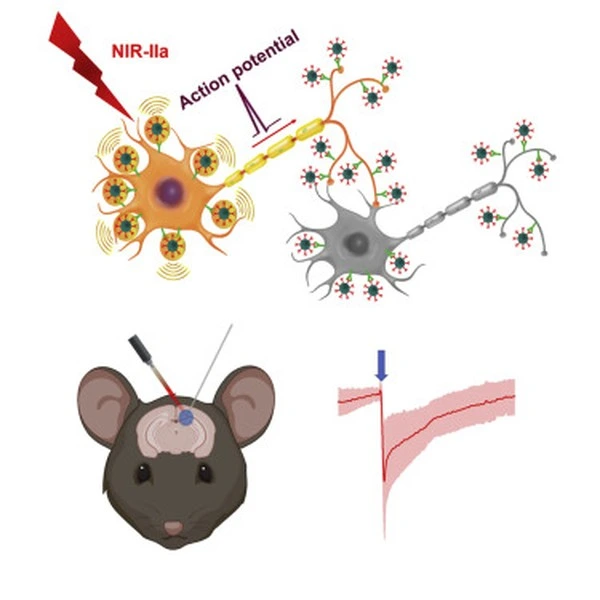
Whole-blood components catalyze formation of an n-doped conducting polymer in living animal models. The resulting interface responds to near-infrared light and enables reversible control of neuronal excitability through coupled thermal and ionic effects.
Won-June Lee, Palak Mehra, Jonathan R. Thurston, Yanpei Tian, Xiaojie Liu, Sanket Samal, Liyan You, Inho Song, Xiulin Ruan, Michael F. Toney, Jianguo Mei*
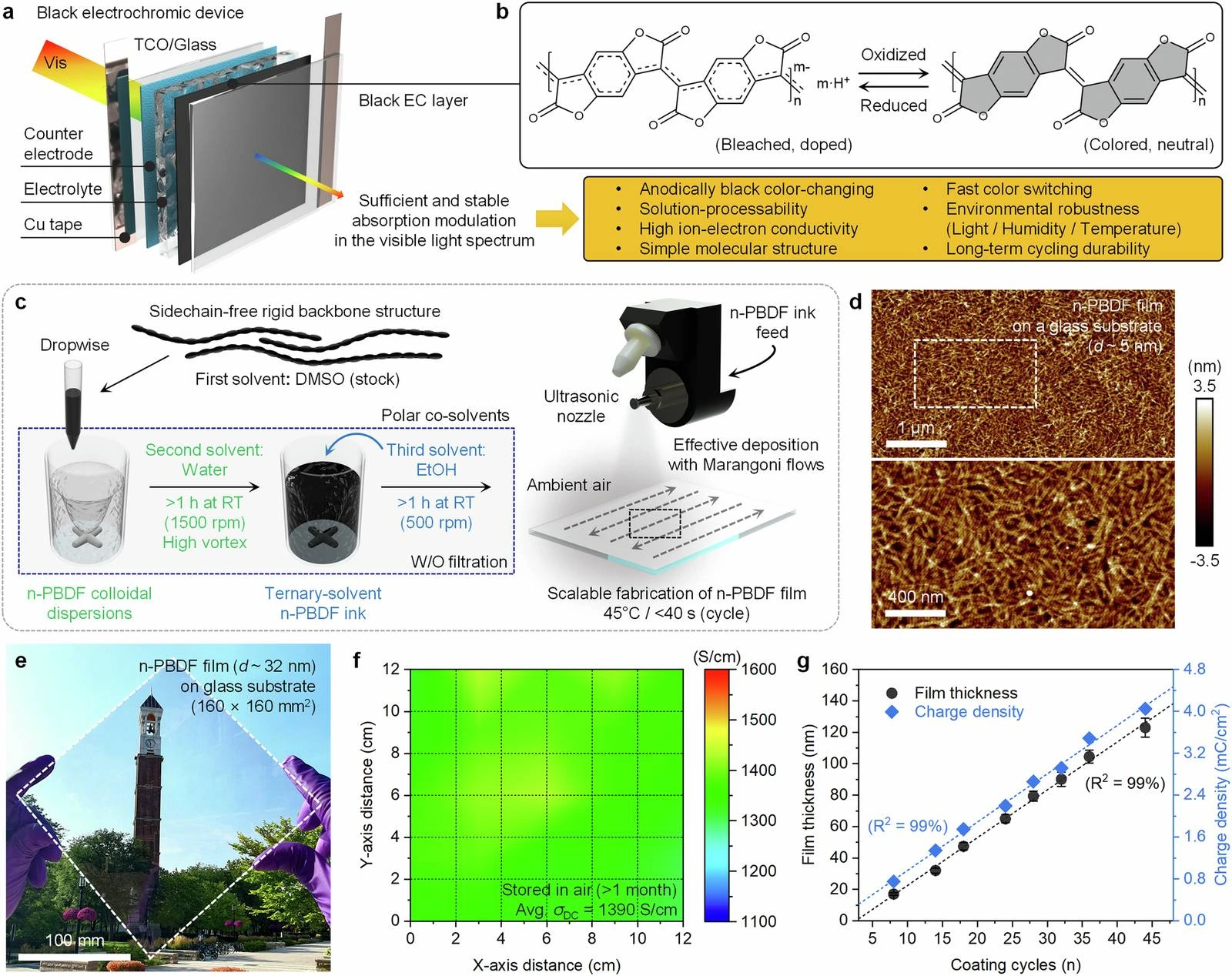
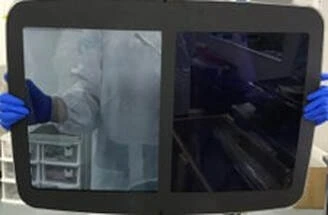
Electrochromic (EC) windows face trade-offs in cost, switching speed, color neutrality, and durability. We present solution-processed n-doped poly(benzodifurandione) (n-PBDF) as a robust organic conductor for black EC windows overcoming these limitations. Utilizing an engineered solvent ink and ultrasonic spray coating, we achieve uniform large-area n-PBDF deposition under ambient conditions without additives. n-PBDF EC electrodes show unprecedented weathering durability (maintaining performance under simultaneous exposure to light (including UV), heat, and humidity for >768 h), addressing a key barrier for organic EC materials. The electrodes exhibit deep black coloration with color neutrality, rapid switching (<2 s), and remarkable cycling stability (>20,000 cycles). Large-area EC devices demonstrate uniform switching performance, confirming scalable fabrication. Building energy simulations of the EC window reveal significant HVAC savings potential across diverse transitional climates. This work establishes n-PBDF as a scalable, high-performance alternative to conventional inorganic EC systems, advancing the viability of solution-processable smart windows for sustainable architecture. Subject terms: Polymer synthesis, Electrochemistry, Conjugated polymers
Zhuang Xu, Ziming Wang, Rui Zhang, Archana Verma, Justin S Neu, Priyotosh Bairagya, Sanghyun Jeon, Alec M Damron, Joshua M Rinehart, Justine S Wagner, Sina Sabury, Xuyi Luo, Anna M Österholm, Jianguo Mei, Jeffrey S Moore, Wei You, John R Reynolds, Nicholas E Jackson, Ying Diao*
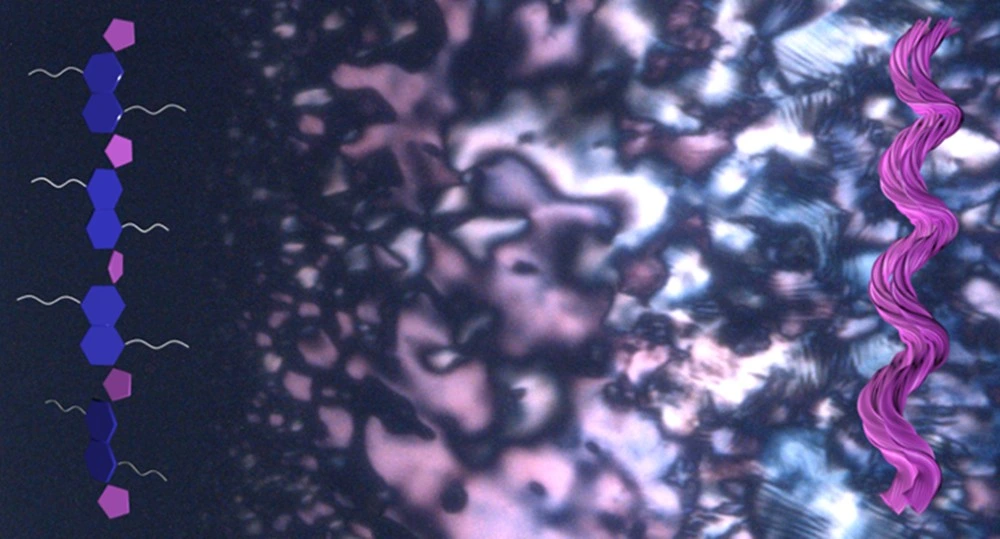
Liquid-liquid phase separation induces chiral organization in many otherwise achiral conjugated polymers. Molecular comparisons and machine learning identify features associated with this spontaneous symmetry breaking, suggesting opportunities for designing chiral electronic materials.
Yukun Wu, Aikaterini Vriza, Doga Ozgulbas, Rafael Vescovi, Jianing Zhou, Zhiyang Wang, Shiyu Hu, Yuepeng Zhang, Qiaomu Yang, Anna M. Österholm, John R. Reynolds, Subramanian K. R. S. Sankaranarayanan, Maria K. Y. Chan, Ian T. Foster, Jianguo Mei*, Henry Chan*, Jie Xu*
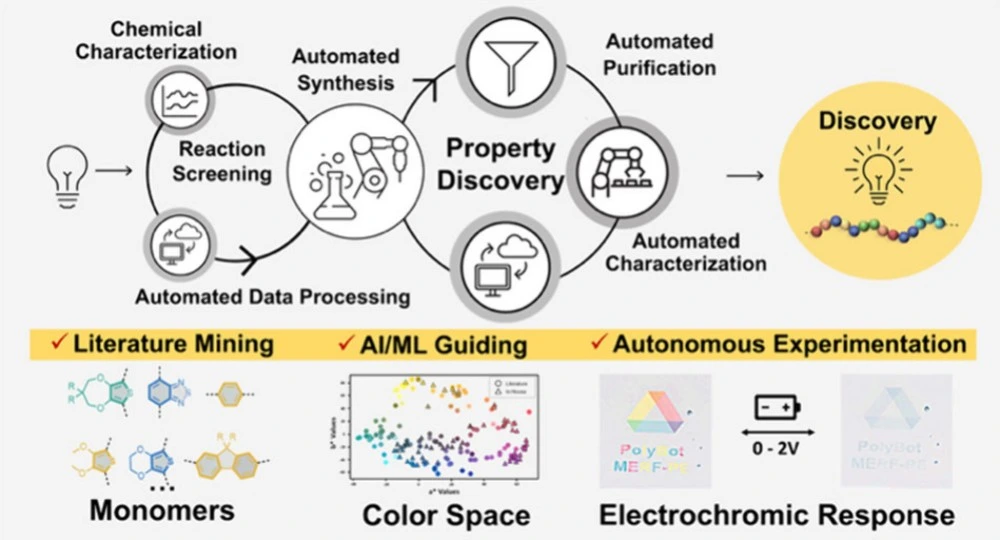
An autonomous workflow combines literature-derived information, predictive modeling and robotic synthesis to target electrochromic polymer colors. The system refines copolymer composition and demonstrates rapid preparation of materials with specified optical behavior.
Guangchao Liu, Uttam Pal, Sanket Samal, Michael F. Espenship, Yuanhe Li, Won-June Lee, Lawal Adewale Ogunfowora, Liyan You, Julia Laskin, Jianguo Mei*
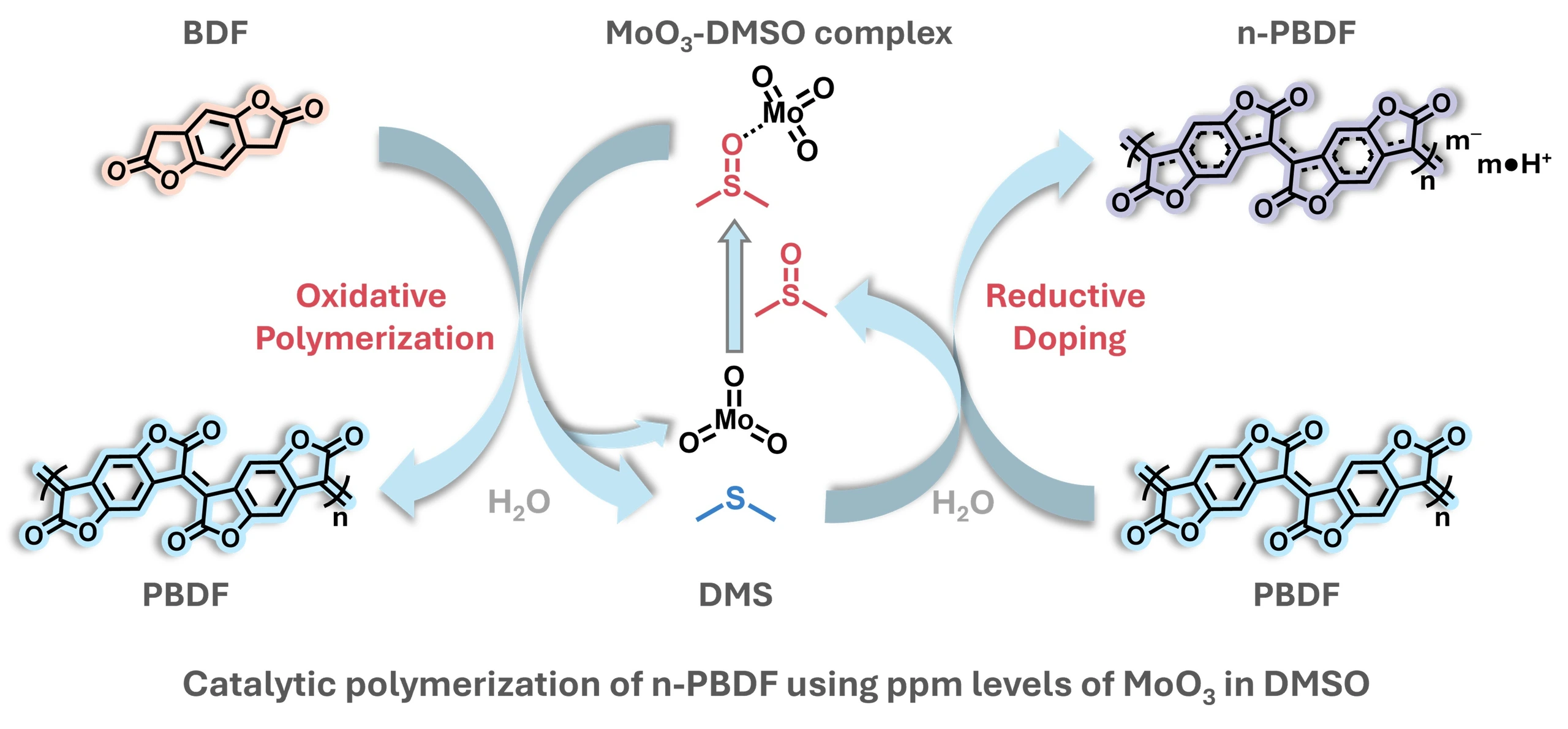
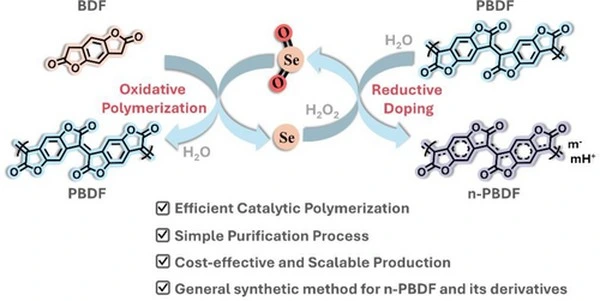
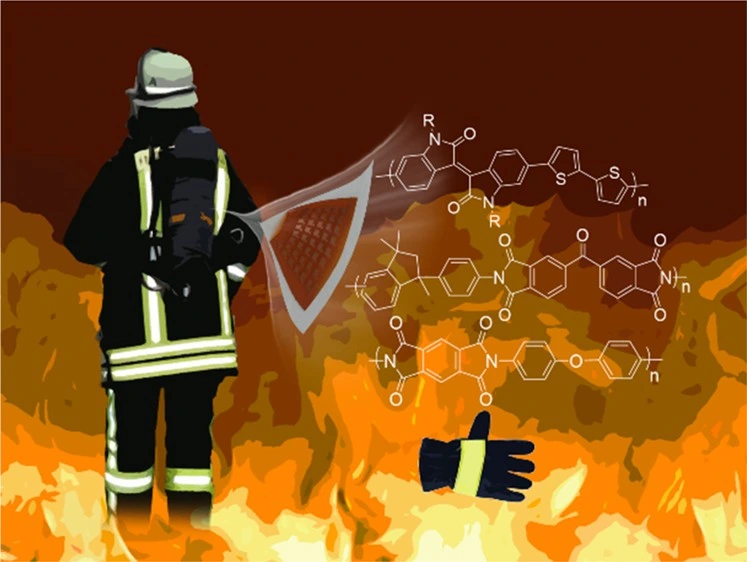
The recent discovery of highly conductive, solution‐processable, n‐doped poly(benzodifurandione) (n‐PBDF) has significantly pushed the boundaries of organic electronics. However, to maximize its practical impact, an efficient, scalable and cost‐effective synthetic method is essential. Initially, n‐PBDF was synthesized via duroquinone‐mediated or copper‐catalyzed polymerizations, but these methods required prolonged dialysis, limiting their scalability. Our recent SeO2‐catalyzed polymerization improved efficiency but still necessitated centrifugation and filtration to remove solid selenium byproducts. In this work, we introduce a highly efficient molybdenum trioxide (MoO3)‐catalyzed polymerization of n‐PBDF. Remarkably, MoO3 at parts‐per‐million (ppm) concentrations achieves near‐quantitative monomer conversion (>99% by NMR), eliminating the need for purification. Kinetic studies demonstrate that this polymerization follows a chain‐growth mechanism, enabling the synthesis of high‐quality n‐PBDF polymers with controlled particle sizes and block copolymers. Mechanistic investigations reveal that MoO3 mediates an oxidative pathway involving dimethyl sulfoxide (DMSO), with dimethyl sulfide (DMS) identified as the reduction product. This innovation not only provides a scalable, low‐cost route to high‐quality n‐PBDF but also unlocks new synthetic opportunities, significantly expanding the synthetic toolbox for functional polymers. Keywords: Catalytic polymerization, Conducting polymers, Dimethyl sulfoxide, Molybdenum trioxide, n‐doped poly(benzodifurandione) (n‐PBDF)
Jinhyo Hwang, Xiaojuan Ni, Michael F Espenship, Kan Tang, Junxiang Zhang, Aniruddha Basu, Suman Kuila, Stephen Barlow, Seth R Marder, Jean-Luc Brédas, Julia Laskin, Jianguo Mei
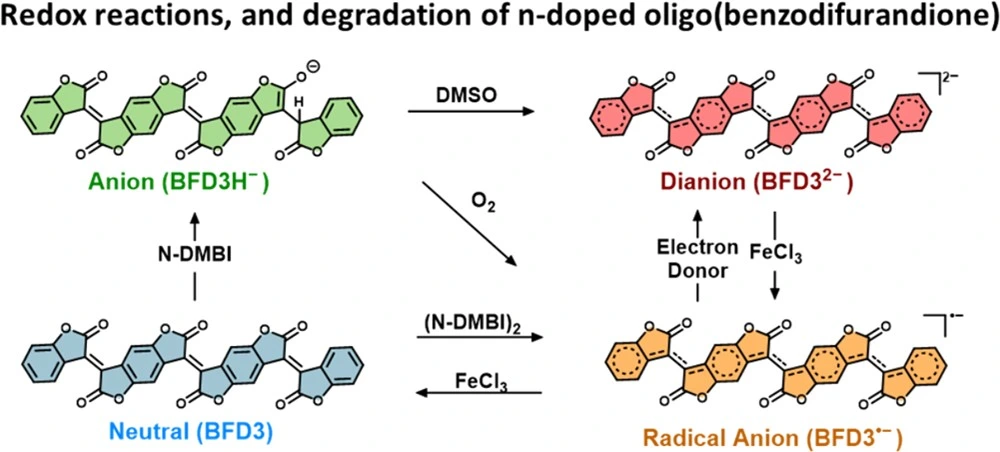
Benzodifurandione oligomers serve as molecular models for charged states in n-doped PBDF. Measurements distinguish carrier-like species and identify reduction-induced degradation pathways also seen in the polymer, informing strategies for controlling doping and stability.
This review connects the mechanics of mixed ionic-electronic polymers with charge transport, structural evolution and device function. It examines swelling, mechanical properties and degradation, then discusses models and design strategies for more reliable materials.
Xiaojie Liu, Won‐June Lee, Daniel William Carne, Yanpei Tian, Andrea Felicelli, Yue Lei, Joseph A Romo, Liyan You, Zixin Xiong, Orlando Gabriel Rivera Gonzalez, Abdulrahman Aljwirah, Qiaoqiang Gan, Jianguo Mei*, Xiulin Ruan*
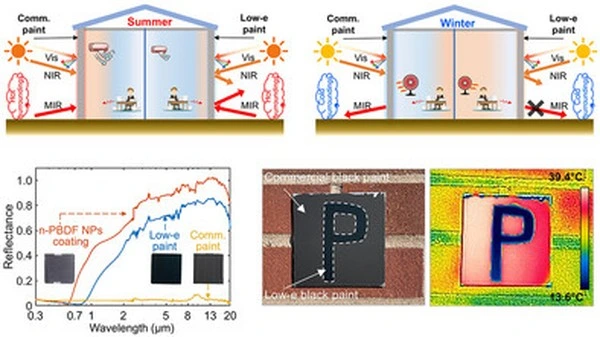
Low‐emissivity (low‐e) paints reduce radiative heat exchange between buildings and the environment, stabilizing indoor climates and lowering air conditioning demand. However, low‐cost, durable, and colored low‐e paints have yet to be demonstrated. Here, an approach is proposed using n‐doped poly(benzodifurandione) (n‐PBDF), a transparent organic conducting polymer, coated over colored commercial paints. This achieves a low thermal emissivity of 0.19 in the mid‐infrared spectrum, attributed to the efficient charge transport of delocalized π‐electrons in n‐PBDF structure. The reduction in thermal emissivity aids in regulating building temperatures by minimizing heat transfer between buildings and their surroundings across diverse climate zones and seasons. The n‐PBDF coating preserves the underlying paint's color due to its high visible transparency, meeting aesthetic requirements. It also shows strong stability in accelerated indoor weathering tests, ensuring long‐term performance. Simulations estimate annual HVAC energy savings of over 10,800 kWh in San Francisco and 5,500 kWh in Chicago for the typical mid‐rise apartments. The paint's versatility, scalability, and durability make it suitable for buildings, vehicles, and greenhouses, aiding urban heat island mitigation.
Ji Hwan Kim, Inho Le, Won-June Lee, Dongjoon Shin, Hyeongbeom Lee, Lucas Q. Flagg, Jagrity Chaudhary, Liyan You, Keehoon Kang*, Jianguo Mei*, Sungjun Park*
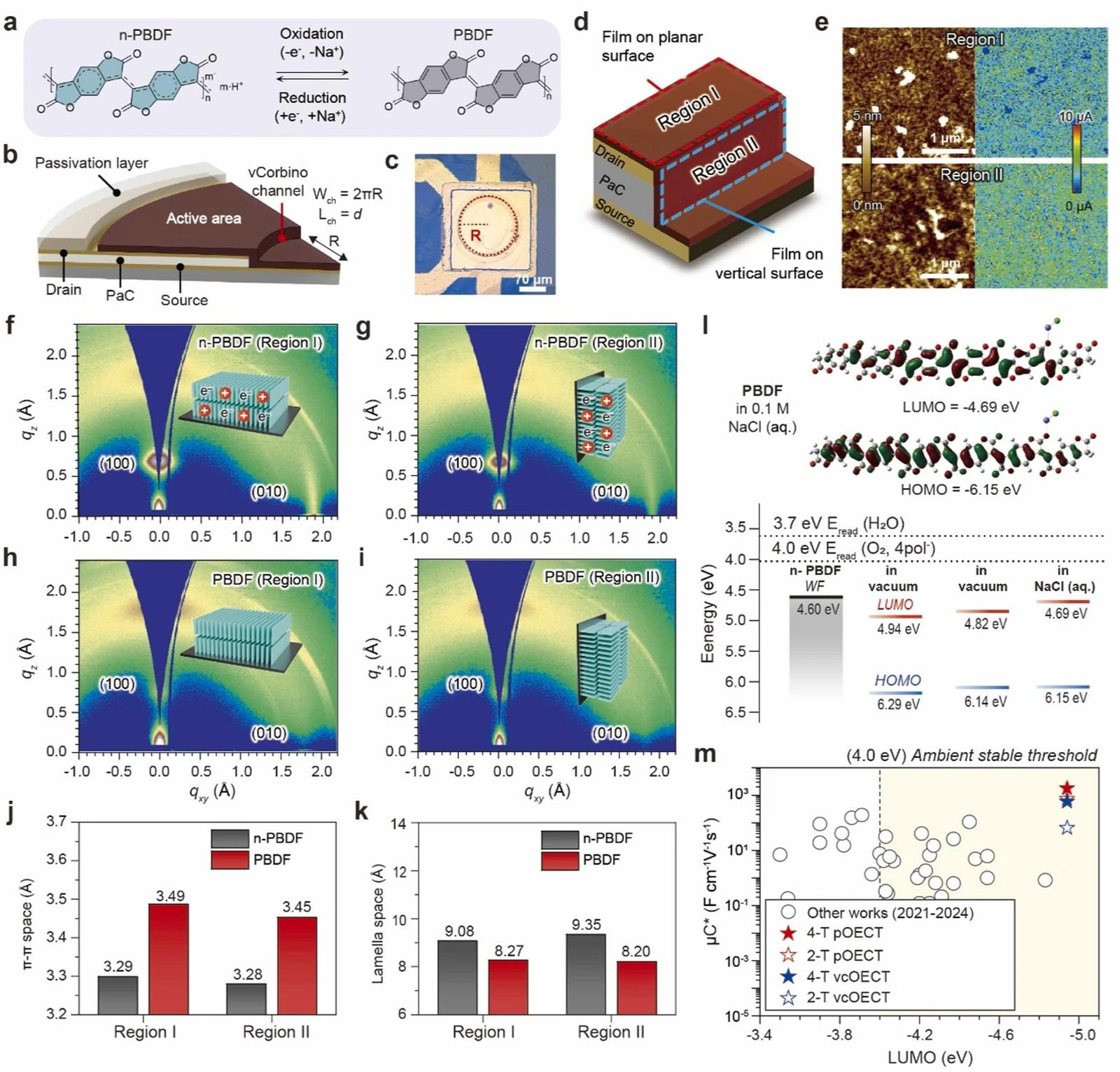
The publisher abstract presents an epidermal biosignal sensor built from n-doped PBDF. Its four-terminal vertical Corbino transistor configuration provides a platform for developing wearable electrical-signal monitoring devices.
Yoon Ho Lee, Yuanhao Tang, Raunak Dani, Won-June Lee, Jeong Hui Kim, Gangsan Lee, Jiaonan Sun, Ke Ma, Su Hye Jeong, Wenzhan Xu, Jianguo Mei, Letian Dou
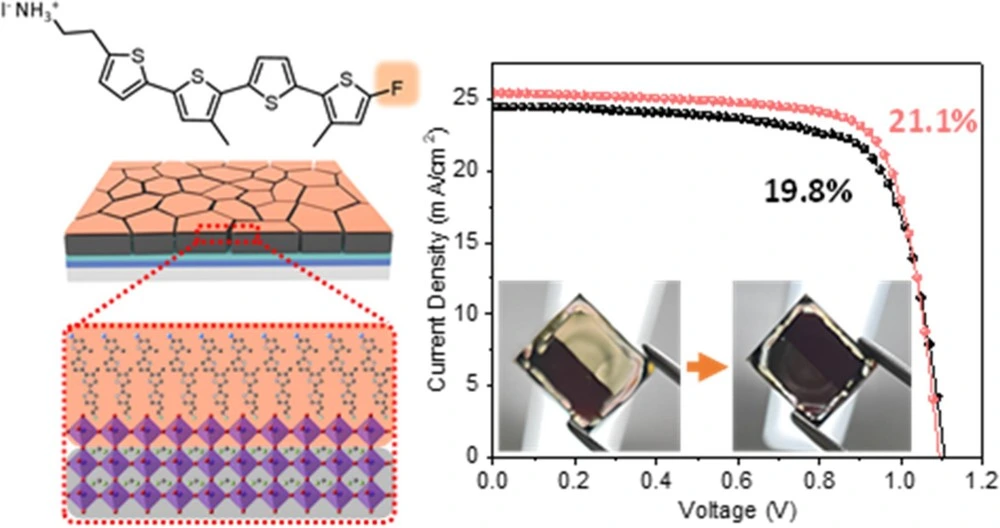
A fluorinated ligand passivates perovskite surfaces without requiring an additional coating step. The modified solar cells show improved efficiency and retain performance more effectively during heat and humidity exposure.
Yoon Ho Lee, Won‐June Lee, Gang San Lee, Jee Yung Park, Biao Yuan, Yousang Won, Jungho Mun, Hanjun Yang, Sung‐Doo Baek, Haeun Lee, Joon Hak Oh, Timothy J Pennycook, Gwangwoo Kim, Jianguo Mei, Letian Dou
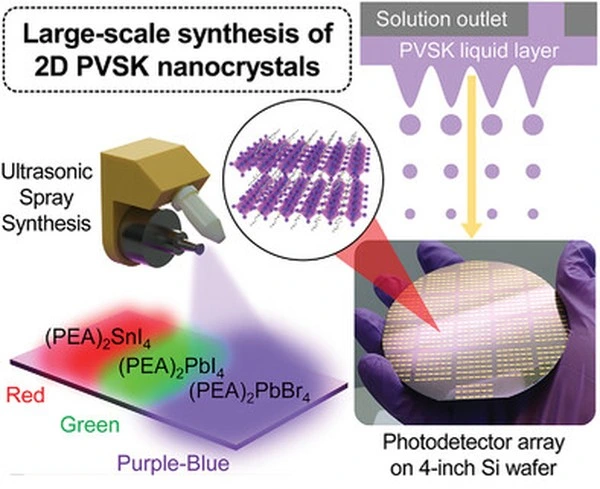
2D perovskite (PVSK) single crystals have received significant attention due to their unique optical and optoelectronic properties. However, current synthesis methods face limitations, particularly in large‐area fabrication, which remain critical barriers to practical applications. In this study, the synthesis of red/green/purple‐blue‐colored 2D PVSK nanocrystals over a large area (4‐inch wafer) and the fabrication of high‐performance photodetector arrays are presented via a facile yet efficient spray‐coating approach with a liquid‐bridge transport effect. The photodetector array achieves 100% working yield, high photo‐responsivity (1.5 × 10⁶ A W⁻¹) and specific‐detectivity (1.1 × 10¹⁶ Jones) with competitive photomapping characteristics. An intelligent vision system for automatic shape recognition is further demonstrated with a recognition rate exceeding 90%. This study provides significant advances in the scalable synthesis of nanoscale 2D PVSK crystals, their integration into large‐area optoelectronic devices, and their potential use in artificial‐intelligence systems. Keywords: high‐performance photodetector array, large‐scale nanofabrication, perovskite nanocrystals, 2D materials, ultrasonic spray synthesis
Qixuan Hu, Xuyi Luo, Lawal Adewale Ogunfowora, Abhay Athaley, Jason S DesVeaux, Bruno C Klein, Shu Xu, Pengfei Wu, Zitang Wei, Chenjian Lin, Tejaswini Haraniya, Dominick Maiorano, Bryan Boudouris, Jianguo Mei, Meltem Urgun-Demirtas, Gregg T Beckham, Brett M Savoie, Letian Dou
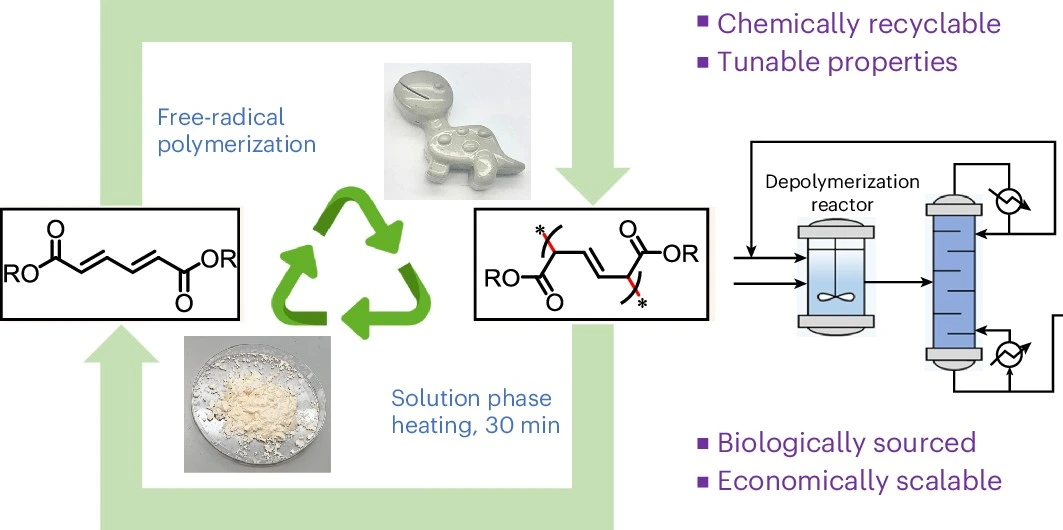
Biologically sourced polymuconates contain weakened carbon-carbon bonds that enable recycling to monomers. Structural tuning provides a range of mechanical properties, while economic and environmental analyses show the potential benefits of repeatedly using recovered material.
The recent discovery of highly conductive, solution‐processable, n‐doped poly(benzodifurandione) (n‐PBDF) marks a milestone in the development of conducting polymers. Currently, n‐PBDF is prepared by either duroquinone‐mediated or copper‐catalyzed polymerizations, where scalability and cost‐effectiveness may present challenges. Here, we report a general, scalable, and cost‐effective method for n‐PBDF and its derivatives, namely selenium dioxide (SeO 2 ) catalyzed polymerization. We discovered that a catalytic amount of selenium dioxide leads to high monomer conversions (>99 % by NMR). The obtained n‐PBDF exhibits a consistently narrow hydrodynamic diameter distribution and its thin films show high conductivities. Furthermore, we revealed that this polymerization involves a mechanism distinct from the previously reported radical pathway. It involves successive Riley oxidation and aldol polycondensation processes. It was also found that the reduced selenium precipitates from dimethyl sulfoxide (DMSO) when the catalytic cycle is terminated, allowing for a straightforward purification process through centrifugation and filtration. This method thus eliminates the need for the costly and slow dialysis process. Finally, we demonstrated that SeO 2 catalyzed polymerization is applicable to n‐PBDF derivatives, proving the generality of this method.
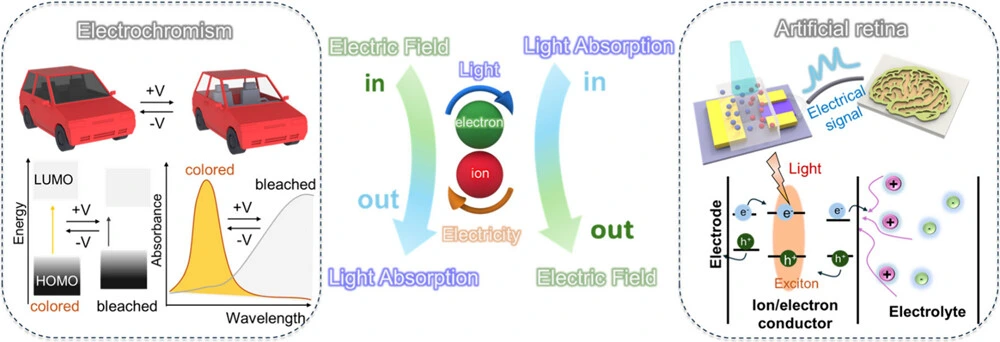
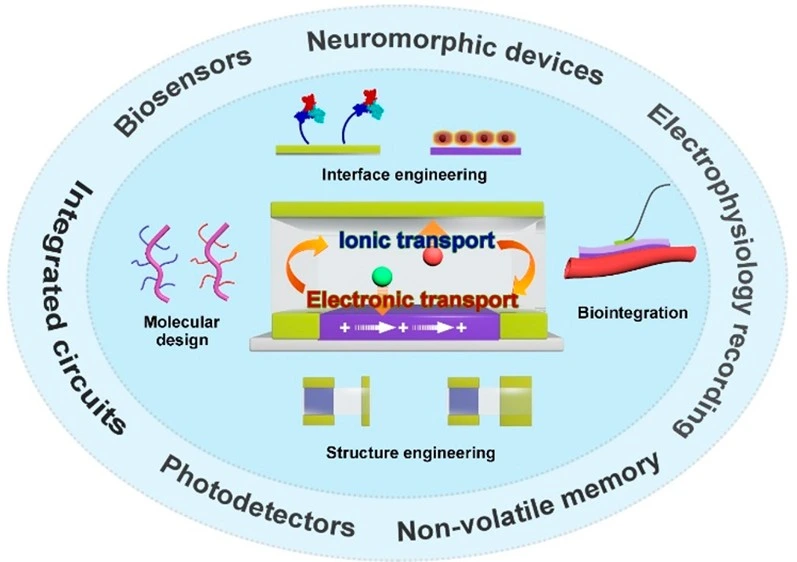
This account examines organic materials that conduct both ions and electrons, connecting electrochromic operation with emerging artificial-retina devices. It reviews relevant material and device concepts and identifies opportunities for further iono-optoelectronic research.
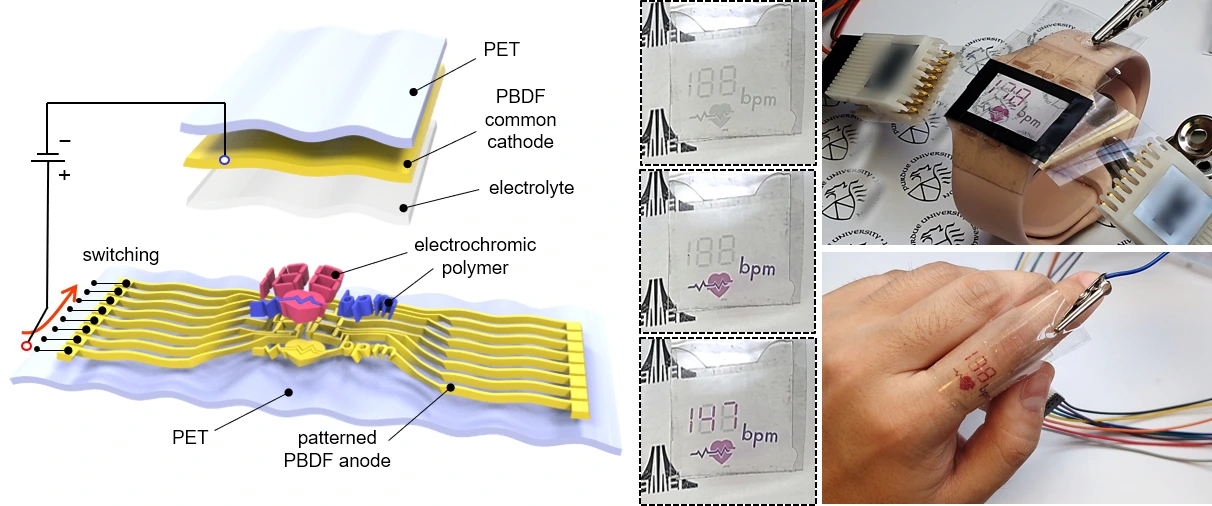
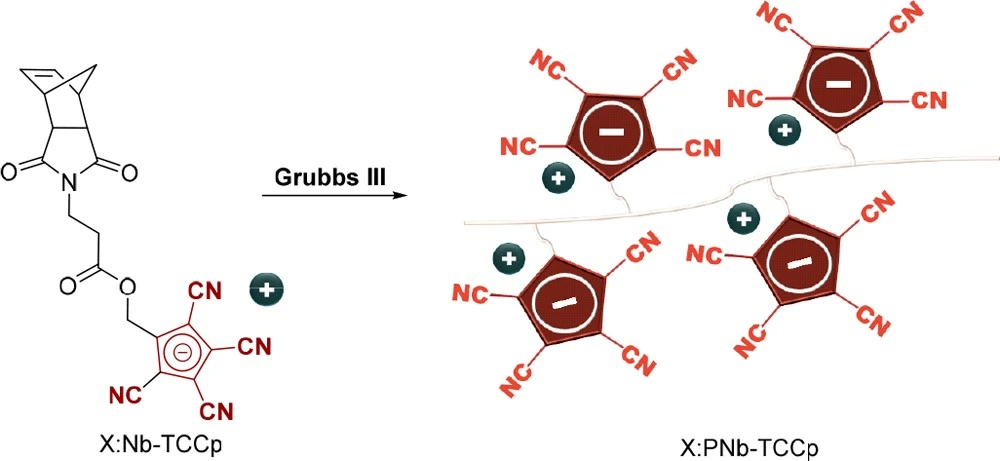
An n-doped conducting polymer combines transparent electrical conduction with ion storage in one layer. This dual function simplifies flexible electrochromic displays and supports patterned pixel control, low power operation and full-color capability.
Mustafa H Ahmed, Jinhyo Hwang, Bufan Xiao, Matthew R Schiavone, Jagrity Chaudhary, Min Chen, Jianguo Mei*
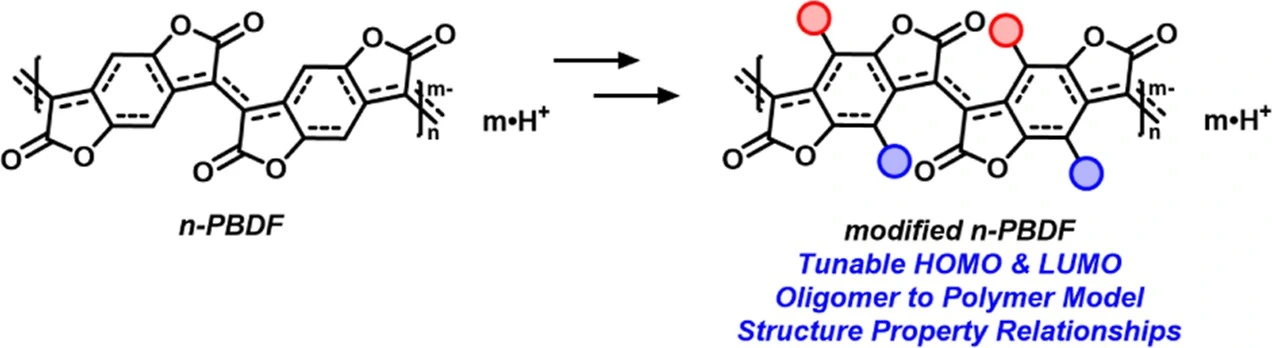
Aromatic substitution changes the energy levels, twisting and conductivity of n-doped PBDF and related oligomers. A methyl-substituted polymer offers high transparency but much lower conductivity, illustrating the trade-offs introduced by structural modification.
Yuanhao Tang, Ke Ma, Wenhao Shao, Yoon Ho Lee, Ashkan Abtahi, Jiaonan Sun, Hanjun Yang, Aidan H Coffey, Harindi Atapattu, Mustafa Ahmed, Qixuan Hu, Wenzhan Xu, Raunak Dani, Limei Wang, Chenhui Zhu, Kenneth R Graham, Jianguo Mei*, Letian Dou*
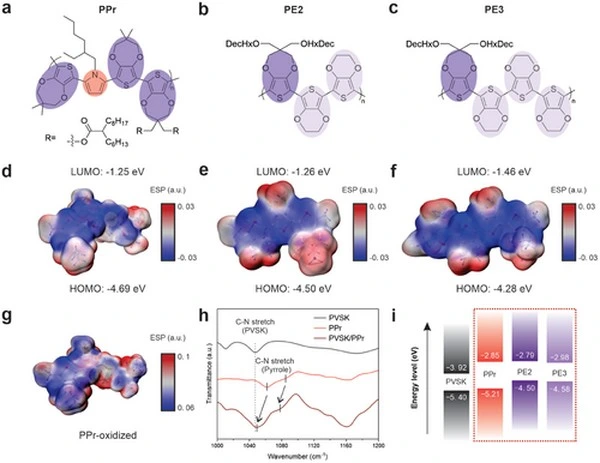
Despite the outstanding electric properties and cost‐effectiveness of poly(3,4‐ethylenedioxythiophene) (PEDOT) and its derivatives, their performance as hole transport layer (HTL) materials in conventional perovskite solar cells (PSCs) has lagged behind that of widely used spirobifluorene‐based molecules or poly(triaryl amine). This gap is mainly from their poor solubility and energy alignment mismatch. In this work, the design and synthesis of a pyrrole‐modified HTL (PPr) based on 3,4‐propylenedioxythiophene (ProDOT) are presented for efficient and stable PSCs. As a result of the superior defects passivation ability, excellent contact with perovskite, enhanced hole extraction, and high hydrophobicity, the unencapsulated PPr‐based PSCs showed the peak PCE of 21.49% and outstanding moisture stability (over 4000 h). This work highlights the potential application of ProDOT‐based materials as HTL for PSCs and underscores the importance of the rational design of PEDOT and its derivatives. Keywords: hole transport layer, PEDOT, perovskite solar cells, ProDOT, pyrrole
Wei Liu, Yukun Wu, Aikaterini Vriza, Cheng Zhang, Hyocheol Jung, Shiyu Hu, Yuepeng Zhang, Du Chen, Peijun Guo, Benjamin T. Diroll, Glingna Wang, Richard D. Schaller, Henry Chan, Jianguo Mei*, Sihong Wang*, Jie Xu*
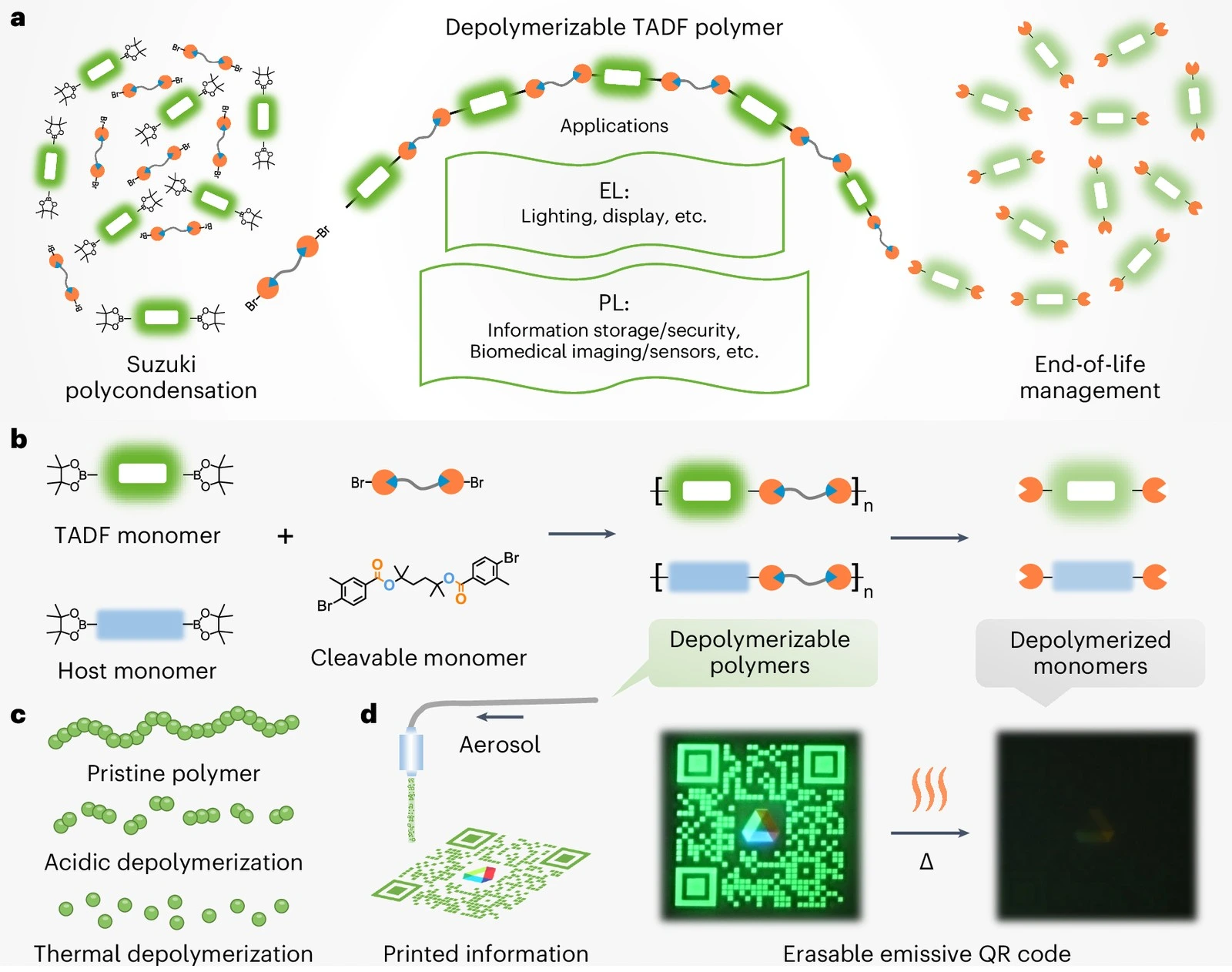
Cleavable groups enable efficient light-emitting polymers to be broken down under mild acidic or thermal conditions. The recovered molecular components can potentially be isolated and repolymerized, combining strong electroluminescence with a route toward materials recycling.
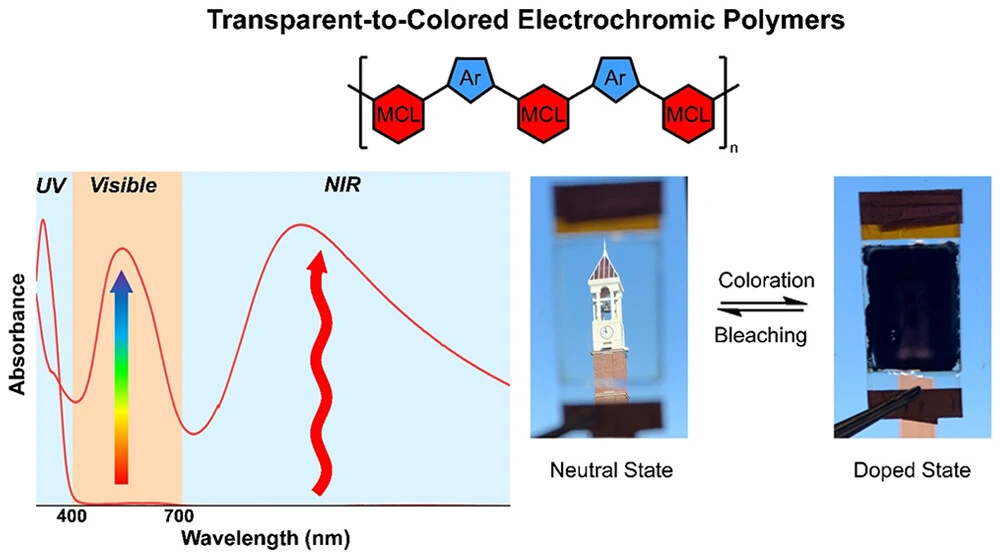
Colored-to-transmissive electrochromic polymers, known for their wide selection of colors and solution processability, have gained great attraction in thin film electrochromic devices that have entered the market. However, their adoption in the real world is limited due to their limited optical transparency and contrast. This study introduces a new molecular design strategy to overcome these issues. This strategy involves using meta-conjugated linkers (MCLs) and aromatic moieties along polymer backbones, which enable transparent-to-colored electrochromic switching. The MCL interrupts charge delocalization, increasing the band gap in the neutral state and ensuring transparency in the visible region. This innovative approach achieves nearly 100% transmittance in the neutral state and a high absorption in the oxidized state, overcoming residue absorption issues in conventional electrochromic polymers. Simultaneously, the MCL and aromatic moieties enable low oxidation potential, facilitating stable transparent-to-color switching. Polymers developed using this approach exhibit wide color tunability, optical contrast exceeding 93%, and cycling stability over 5000 cycles with less than 3% contrast decay. Our research represents a major advancement in overcoming existing challenges, enabling polymer-based electrochromic devices for visual comfort and energy conservation.
Zhifan Ke, Jagrity Chaudhary, Lucas Q. Flagg, Kyle N. Baustert, Augustine O. Yusuf, Guangchao Liu, Liyan You, Kenneth R. Graham, Dean M. DeLongchamp, Jianguo Mei*
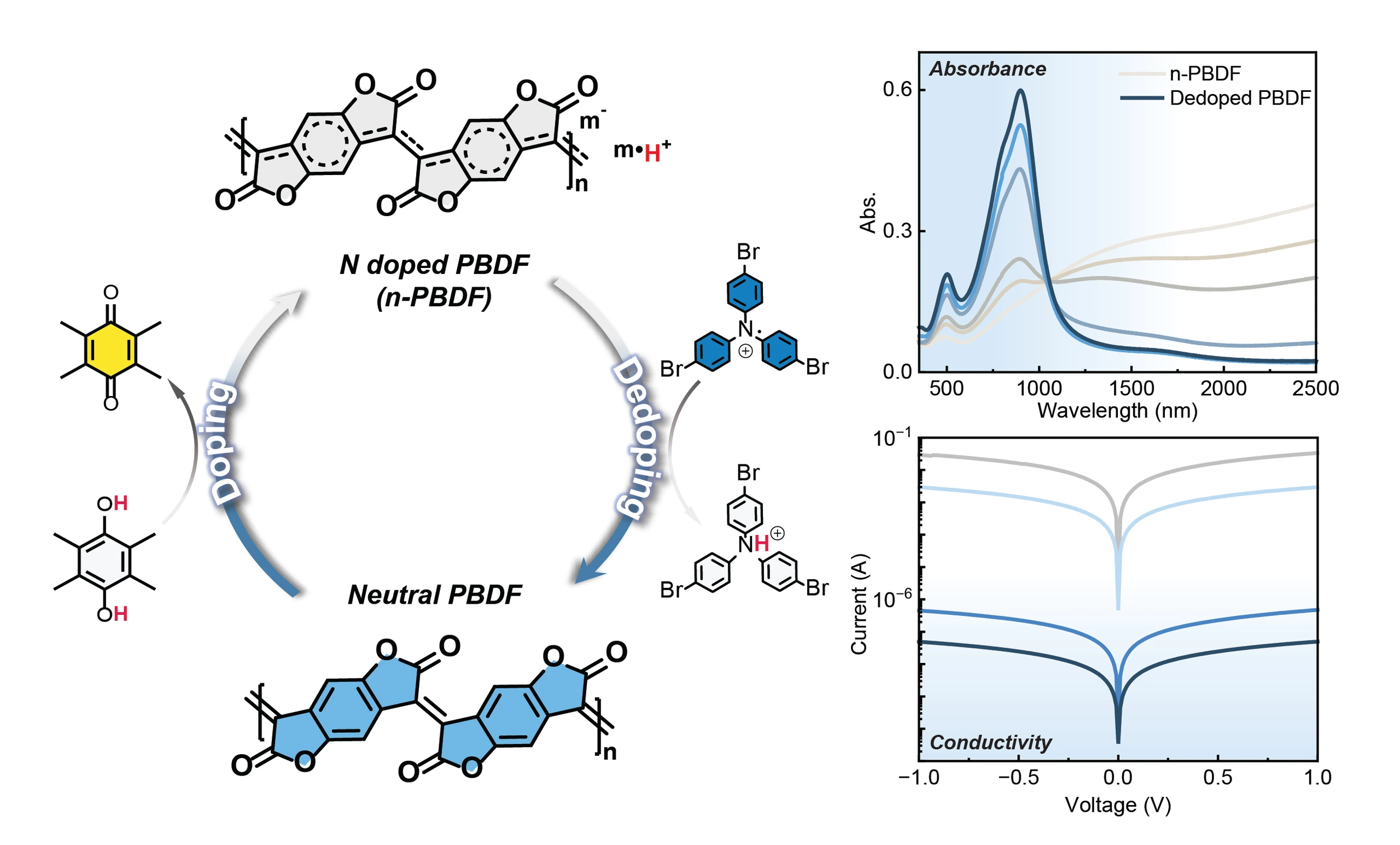
The doping levels of conjugated polymers significantly influence their conductivity, energetics, and optical properties. Recently, a highly conductive n‐doped polymer called poly (3,7‐dihydrobenzo[1,2‐b:4,5‐b′]difuran‐2,6‐dione) (poly(benzodifurandione), n‐PBDF) is discovered, opening new possibilities for n‐type conducting polymers in printed electronics and other fields. Controlling the doping level of n‐PBDF is of great interest due to its wide range of potential applications. Here controlled dedoping and redoping of n‐PBDF is reported and a mechanistic understating of such a process is provided. Dedoping occurs through electron transfer and proton capture, wherein the ionic dopants, tris(4‐bromophenyl)ammoniumyl hexachloroantimonate (Magic Blue), exhibit efficient proton capture ability and stronger interaction with n‐PBDF, resulting in high dedoping efficiency. Moreover, chemically dedoped PBDF can be redoped using various proton‐coupled electron transfer agents. By manipulating the doping levels of n‐PBDF thin films, ranging from highly doped to dedoped states, the system demonstrates controllable conductivity in five orders of magnitude, adjustable optical properties, and energetics. As a result, these characteristics demonstrate the potential applications of n‐PBDF in organic electrochemical transistors and thermoelectrics.
Jee Yung Park†, Yoon Ho Lee†, Md Asaduz Zaman Mamun, Mir Md Fahimul Islam, Shuchen Zhang, Ke Ma, Aalok Uday Gaitonde, Kang Wang, Seok Joo Yang, Amy Marconnet, Jianguo Mei, Muhammad Ashraful Alam, Letian Dou*
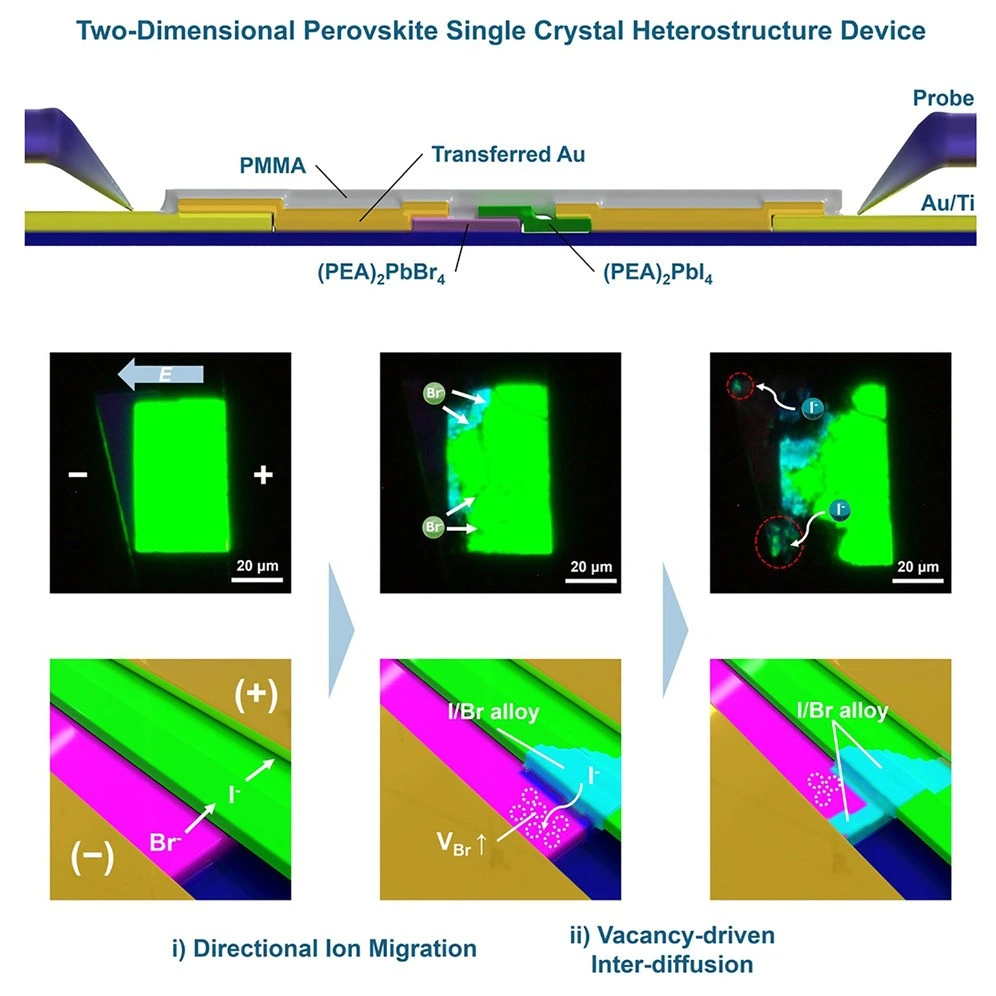
A two-dimensional perovskite heterostructure enables direct observation of electrically driven halide migration. The study identifies directional transport, longer-term interdiffusion and edge-aligned pathways, then uses sustained migration to form stable rectifying junctions.
Jinhyo Hwang, Qiyuan Zhao, Mustafa Ahmed, Alexander C. Yakisan, Michael F. Espenship, Julia Laskin, Brett M. Savoie*, Jianguo Mei*
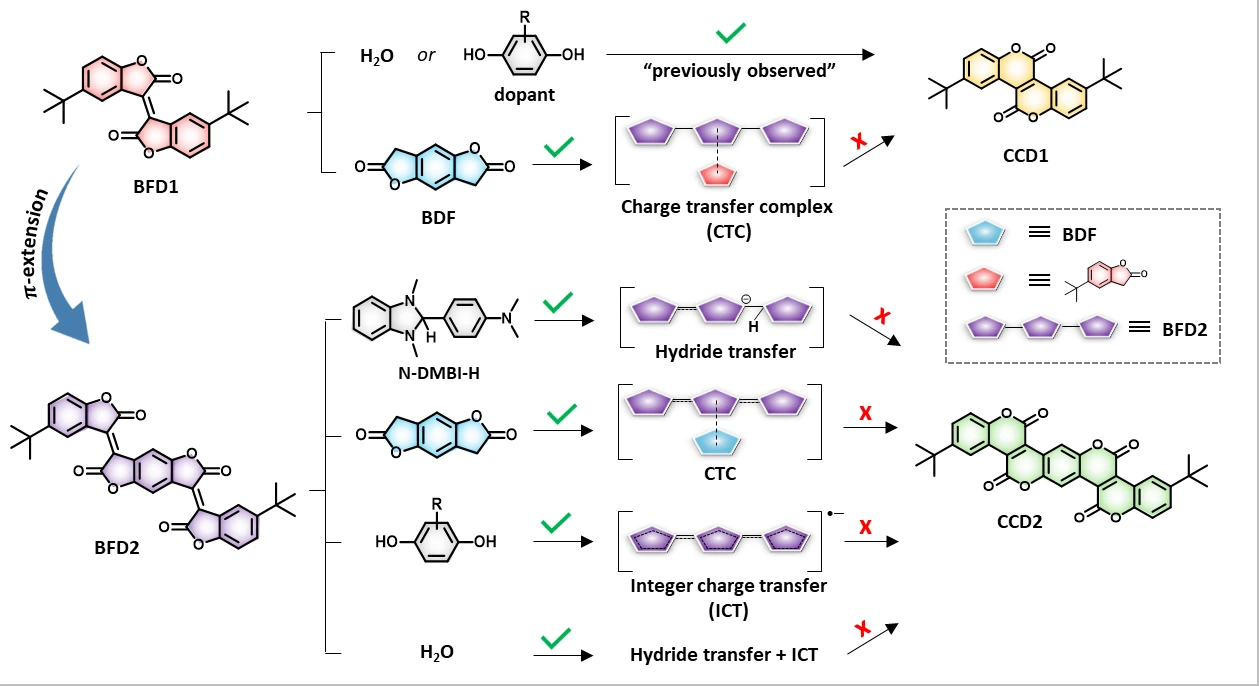
Recently, solution‐processable n‐doped poly(benzodifurandione) (n‐PBDF) has been made through in‐situ oxidative polymerization and reductive doping, which exhibited exceptionally high electrical conductivities and optical transparency. The discovery of n‐PBDF is considered a breakthrough in the field of organic semiconductors. In the initial report, the possibility of structural defect formation in n‐PBDF was proposed, based on the observation of structural isomerization from ( E )‐2H,2′H‐[3,3′‐bibenzofuranylidene]‐2,2′‐dione (isoxindigo) to chromeno[4,3‐c]chromene‐5,11‐dione (dibenzonaphthyrone) in the dimer model reactions. In this study, we present clear evidence that structural isomerization is inhibited during polymerization. We reveal that the dimer (BFD1) and the trimer (BFD2) can be reductively doped by several mechanisms, including hydride transfer, forming charge transfer complexes (CTC) or undergoing an integer charge transfer (ICT) with reactants available during polymerization. Once the hydride transfer adducts, the CTC, or the ICT product forms, structural isomerization can be effectively prevented even at elevated temperatures. Our findings provide a mechanistic understanding of why isomerization‐derived structural defects are absent in n‐PBDF backbone. It lays a solid foundation for the future development of n‐PBDF as a benchmark polymer for organic electronics and beyond.
Wenting Wu*, Songyan Yu, Dylan S. Forbes, Hanning Jiang, Mustafa Ahmed, Jianguo Mei*
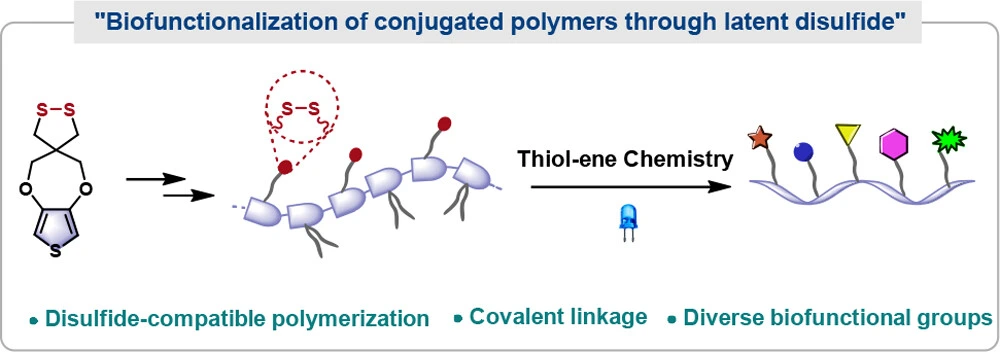
Latent disulfide groups enable biocompatible attachment of biological functions to thiophene-based polymers. A glucose-oxidase-functionalized material is demonstrated in electrochemical transistors for selective glucose detection.
Kyung Sun Park, Xuyi Luo, Justin J. Kwok, Azzaya Khasbaatar, Jianguo Mei, Ying Diao*
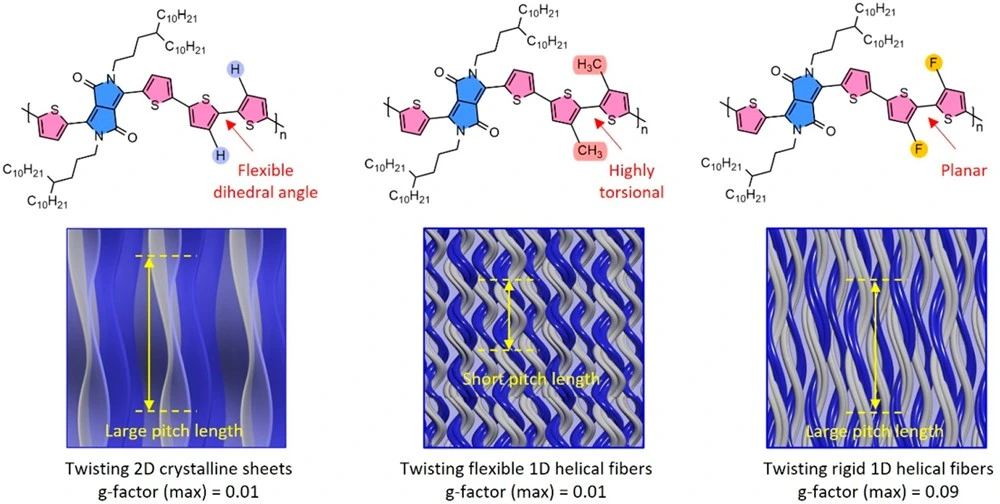
Understanding the solution-state aggregate structure and the consequent hierarchical assembly of conjugated polymers is crucial for controlling multiscale morphologies during solid thin-film deposition and the resultant electronic properties. However, it remains challenging to comprehend detailed solution aggregate structures of conjugated polymers, let alone their chiral assembly due to the complex aggregation behavior. Herein, we present solution-state aggregate structures and their impact on hierarchical chiral helical assembly using an achiral diketopyrrolopyrrole-quaterthiophene (DPP-T4) copolymer and its two close structural analogues wherein the bithiophene is functionalized with methyl groups (DPP-T2M2) or fluorine atoms (DPP-T2F2). Combining in-depth small-angle X-ray scattering analysis with various microscopic solution imaging techniques, we find distinct aggregate in each DPP solution: (i) semicrystalline 1D fiber aggregates of DPP-T2F2 with a strongly bound internal structure, (ii) semicrystalline 1D fiber aggregates of DPP-T2M2 with a weakly bound internal structure, and (iii) highly crystalline 2D sheet aggregates of DPP-T4. These nanoscopic aggregates develop into lyotropic chiral helical liquid crystal (LC) mesophases at high solution concentrations. Intriguingly, the dimensionality of solution aggregates largely modulates hierarchical chiral helical pitches across nanoscopic to micrometer scales, with the more rigid 2D sheet aggregate of DPP-T4 creating much larger pitch length than the more flexible 1D fiber aggregates. Combining relatively small helical pitch with long-range order, the striped twist-bent mesophase of DPP-T2F2 composed of highly ordered, more rigid 1D fiber aggregate exhibits an anisotropic dissymmetry factor (g-factor) as high as 0.09. This study can be a prominent addition to our knowledge on a solution-state hierarchical assembly of conjugated polymers and, in particular, chiral helical assembly of achiral organic semiconductors that can catalyze an emerging field of chiral (opto)electronics.
Ruben Sarabia-Riquelme, Leah E. Noble, Paula Alarcon Espejo, Zhifan Ke, Kenneth R. Graham, Jianguo Mei, Alexandra F. Paterson, Matthew C. Weisenberger
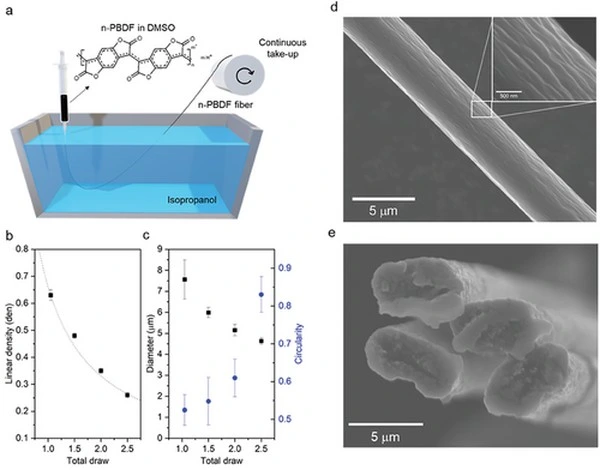
Wet spinning produces electrically conductive n-type PBDF fibers for thermoelectric textiles. The fibers complement existing p-type materials and demonstrate electrical generation from a temperature difference, addressing a missing component in polymer-based textile devices.
Inho Song*, Liyan You, Ke Chen, WonJune Lee, Jianguo Mei*
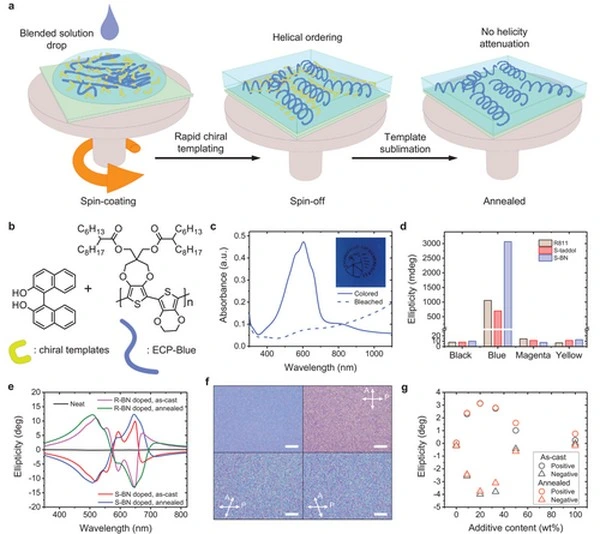
The interaction between light and chiroptical polymers plays a crucial role in chiroptics, spintronics, and chiral‐spin selectivity. Despite considerable successes in creating dissymmetric polymer films, the elucidation of chiroptical activities under electrochemical switching remains unexplored. Here homogeneous chiral electrochromics is reported using chiral assembly of conjugated polymers through a transient solidification process with molecular chiral templates. In their neutral state, the chiral electrochromic polymers directly produce a remarkably dissymmetric polarization‐dependent transmittance. The circular dichroism (CD) and dissymmetric transmission can be tuned by adjusting the doping level of the electrochemically active polymer films. Under high levels of oxidation, the chiroptical activities are reversed with strong bleaching in the visible, leading to formation of monosignate CD spectra over the infrared region. The matching between circular polarization handedness and chirality of chiroptical polymers makes a distinct impact on optical contrast and color switching dynamics due to the flipped chiroptical activities through polymer redox reactions. The differential circularly polarized transmission in the chiral see‐through display can make a well‐resolved color change in human eyes, demonstrating proof‐of‐concept devices for 3D imaging and information encryption. This work serves as a foundation to develop advanced on‐chip fabrication of circular polarization‐multiplexed display in flexible and highly integrated platforms.
Kuluni Perera, Wenting Wu, Kaelon A. Jenkins, Michael F. Espenship, Matthias Zeller, Liyan You, Mustafa Ahmed, Kai Lang, Guangchao Liu, Jagrity Chaudhary, Ashkan Abtahi, Dylan Forbes, Julia Laskin, Brett M. Savoie, Jianguo Mei*
The work identifies competing degradation reactions of charged conjugated molecules, including loss of end groups and bond formation between radicals. Combined chemical and physical measurements connect these pathways to electronic structure and operating conditions.
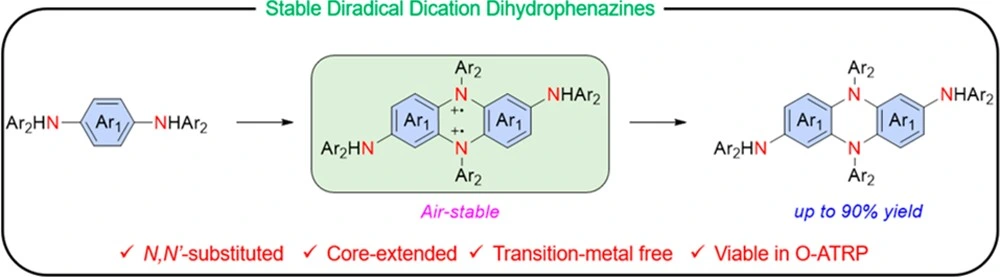
Mustafa Ahmed, Yukun Wu, Matthew R. Schiavone, Kai Lang, Liyan You, Matthias Zeller, Jianguo Mei*
Chemical oxidation produces extended dihydrophenazine diradical dications from substituted phenylenediamines. The charged products can be reduced back to neutral molecules, and a selected derivative controls methyl-methacrylate polymerization under photocatalytic conditions.
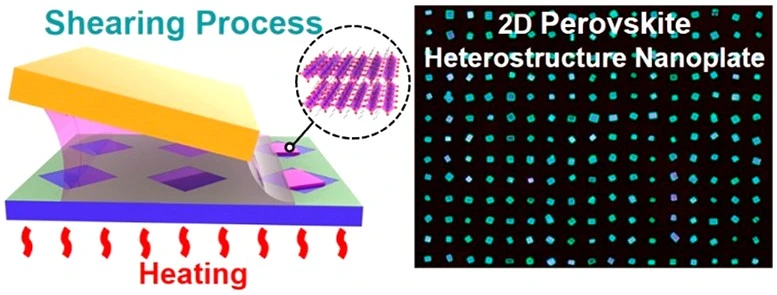
Yoon Ho Lee, Jee Yung Park, Peiran Niu, Hanjun Yang, Dewei Sun, Libai Huang, Jianguo Mei, Letian Dou
A solution-patterning strategy forms arrays of two-dimensional perovskite nanoplates while addressing the integration limits of isolated crystals. The patterned materials are demonstrated in photosensor arrays, supporting device-scale optoelectronic applications.
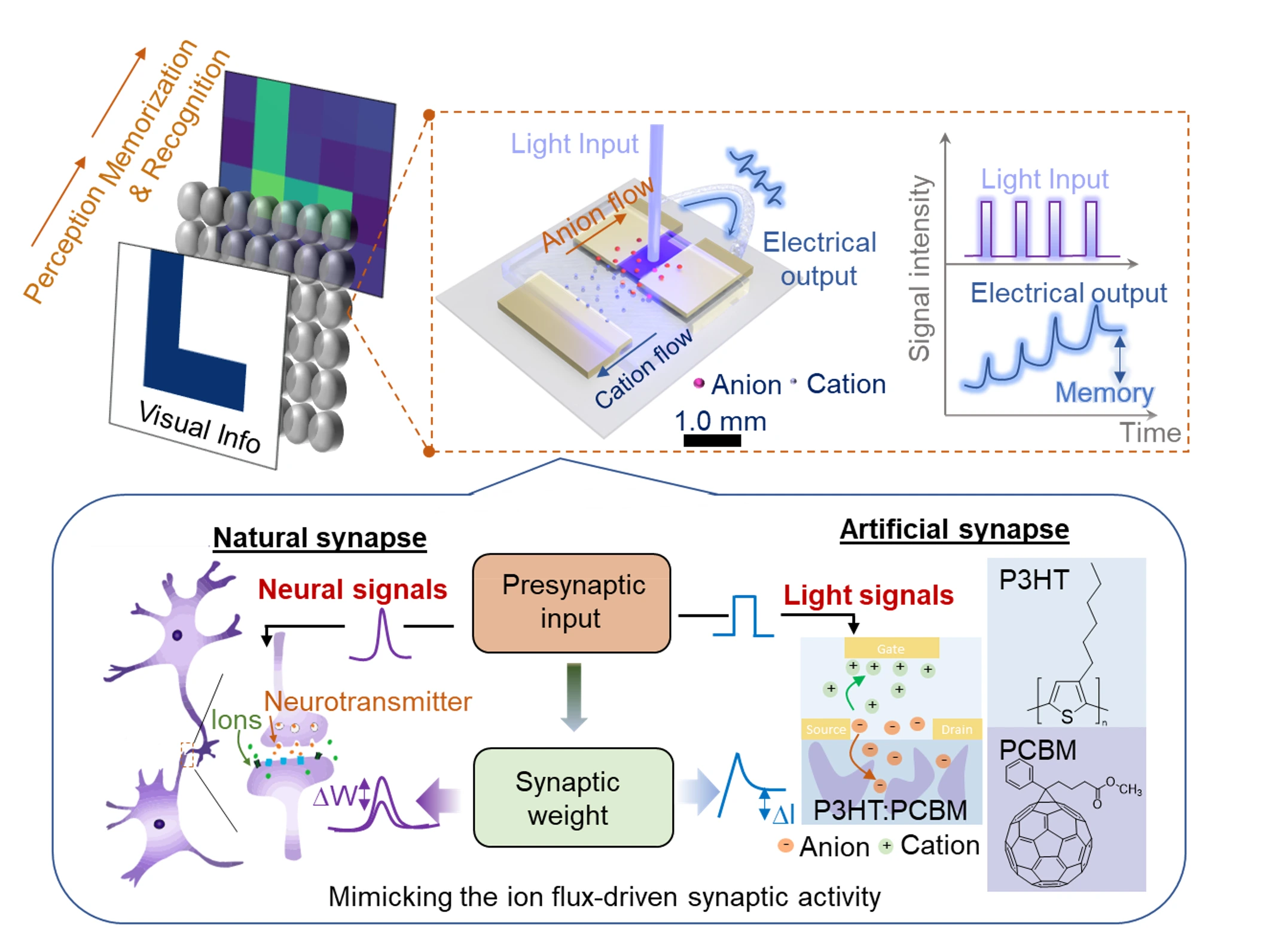
Ke Chen, Hang Hu, Inho Song, Habtom B. Gobeze, Won-June Lee, Ashkan Abtahi, Kirk S. Schanze, Jianguo Mei*
Light controls ion insertion in organic electrochemical transistors to create programmable synaptic conductance. A device array combines optical sensing, memory and processing, demonstrating a retina-inspired approach to facial recognition at low operating voltage.
Ke Ma, Jiaonan Sun, Harindi R Atapattu, Bryon W Larson, Hanjun Yang, Dewei Sun, Ke Chen, Kang Wang, Yoonho Lee, Yuanhao Tang, Anika Bhoopalam, Libai Huang, Kenneth R Graham, Jianguo Mei, Letian Dou
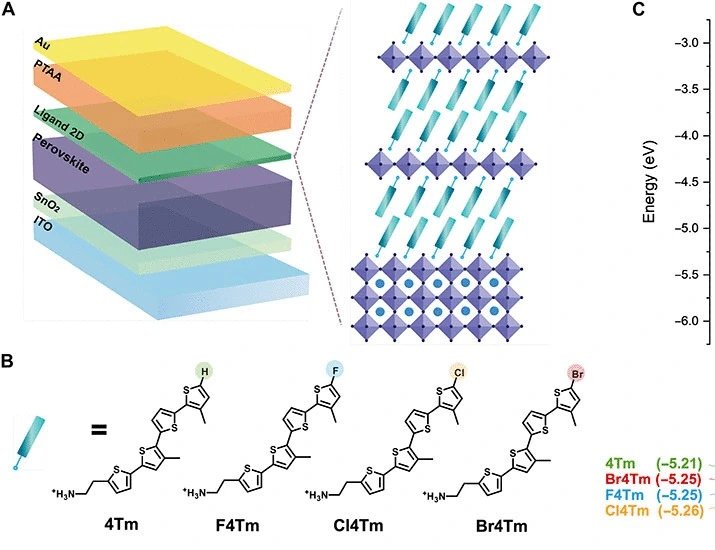
Constructing two-dimensional (2D) perovskite atop of 3D with energy landscape management is still a challenge in perovskite photovoltaics. Here, we report a strategy through designing a series of π-conjugated organic cations to construct stable 2D perovskites and to realize delicate energy level tunability at 2D/3D heterojunctions. As a result, the hole transfer energy barriers can be reduced both at heterojunctions and within 2D structures, and the preferable work function shift reduces charge accumulation at interface. Leveraging these insights and also benefitted from the superior interface contact between conjugated cations and poly(triarylamine) (PTAA) hole transporting layer, a solar cell with power conversion efficiency of 24.6% has been achieved, which is the highest among PTAA-based n-i-p devices to the best of our knowledge. The devices exhibit greatly enhanced stability and reproducibility. This approach is generic to several hole transporting materials, offering opportunities to realize high efficiency without using the unstable Spiro-OMeTAD.
Inho Song, Jaeyong Ahn, Hyungju Ahn, Sang Hyuk Lee, Jianguo Mei, Nicholas A. Kotov*, Joon Hak Oh*
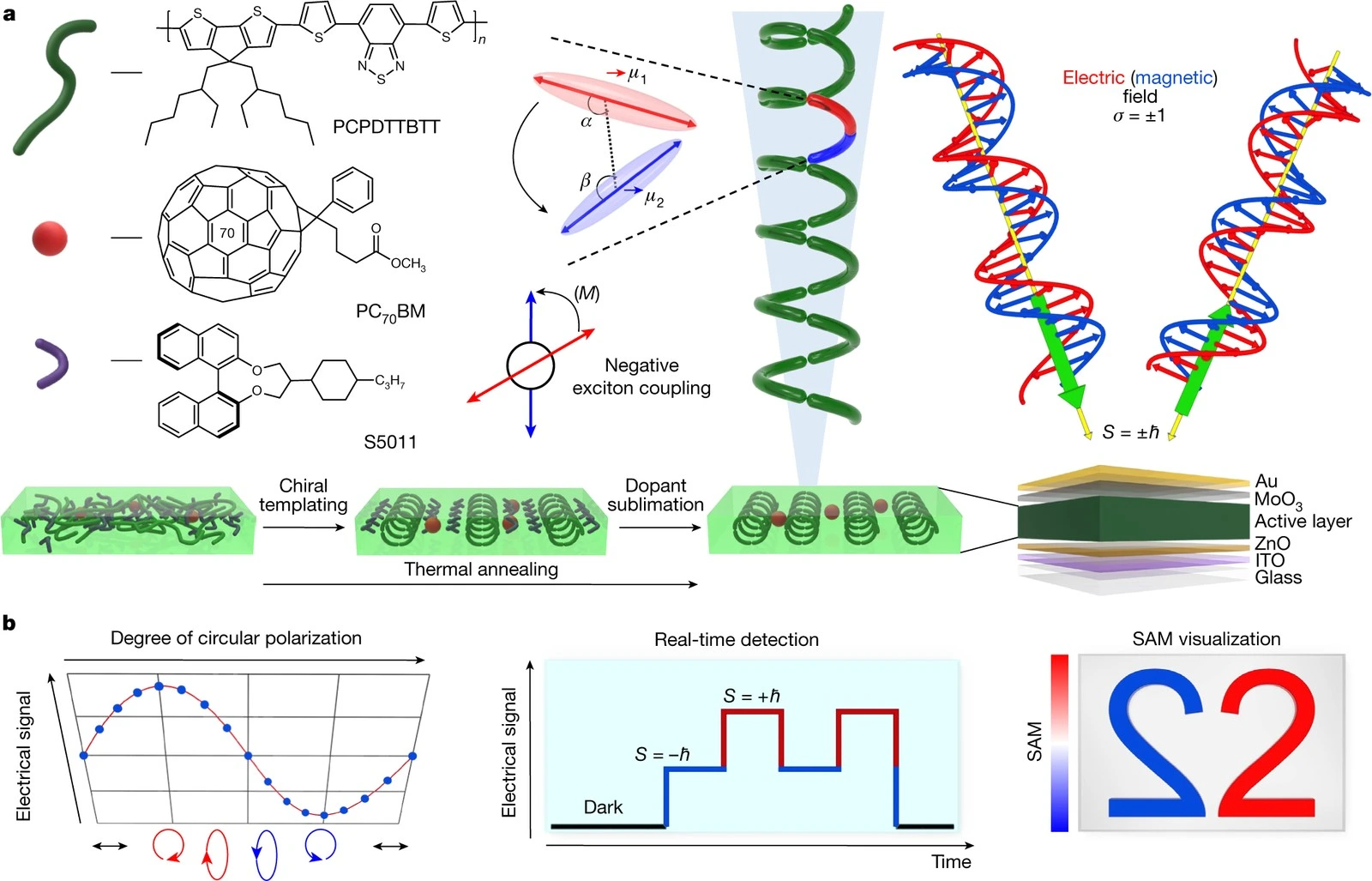
A removable template organizes chromophores into helical polymer nanofibrils. The resulting uniform chiroptical films distinguish light with opposite spin angular momentum, enabling polarization-sensitive imaging and potential integrated photonic detection.
Qi Dong, Aditya Dilip Lele, Xinpeng Zhao, Shuke Li, Sichao Cheng, Yueqing Wang, Mingjin Cui, Miao Guo, Alexandra H. Brozena, Ying Lin, Tangyuan Li, Lin Xu, Aileen Qi, Ioannis G. Kevrekidis, Jianguo Mei, Xuejun Pan, Dongxia Liu, Yiguang Ju*, Liangbing Hu*
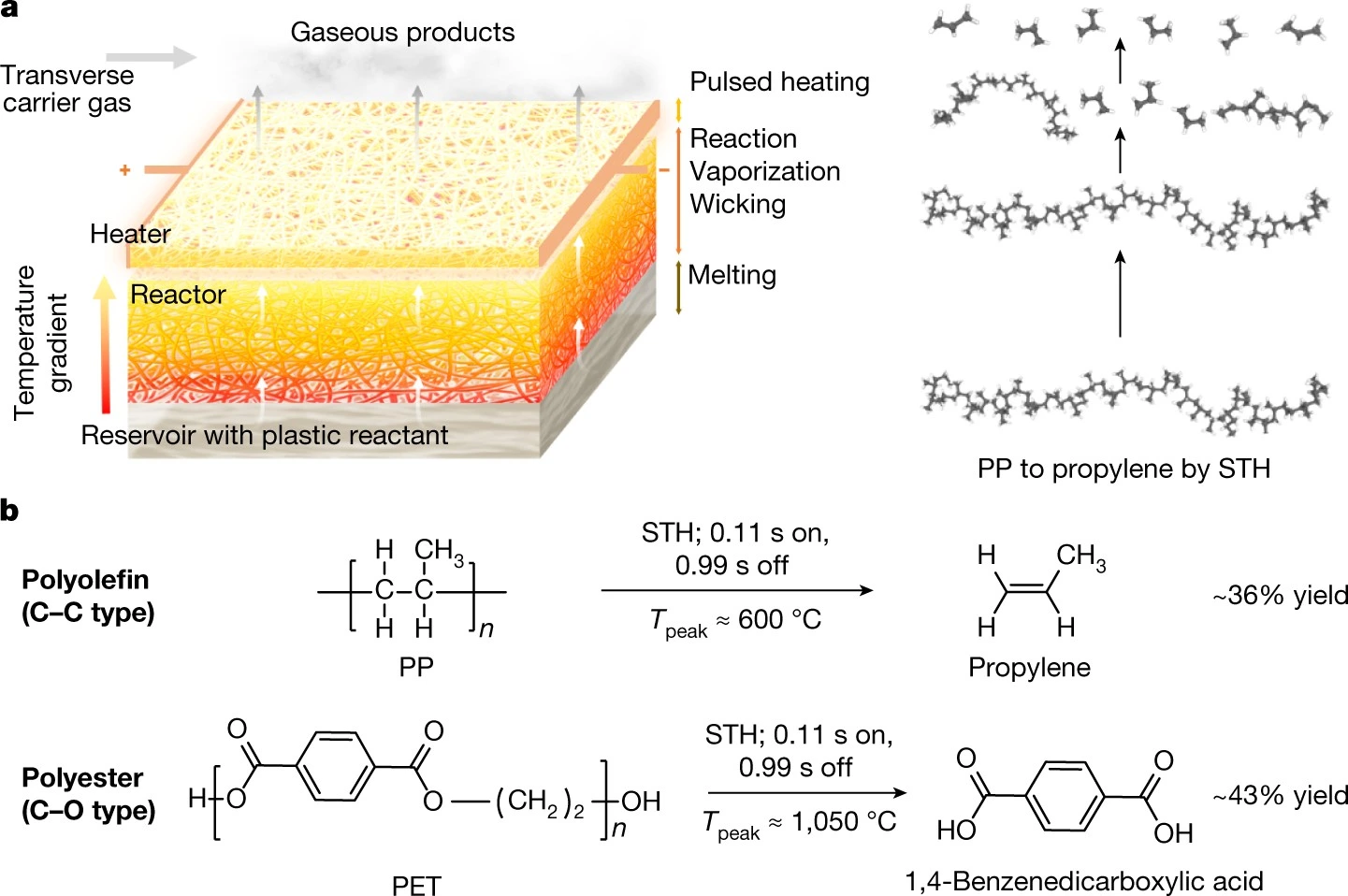
Spatially and temporally controlled electrical heating directs plastic breakdown toward recoverable monomers. Demonstrations with polypropylene and PET show how managing reaction conditions can improve selectivity beyond conventional bulk thermal treatment.
Jiaonan Sun, Ke Ma, Zih-Yu Lin, Yuanhao Tang, Dharini Varadharajan, Alexander X. Chen, Harindi R. Atapattu, Yoon Ho Lee, Ke Chen, Bryan W. Boudouris, Kenneth R. Graham, Darren J. Lipomi, Jianguo Mei, Brett M. Savoie, Letian Dou*
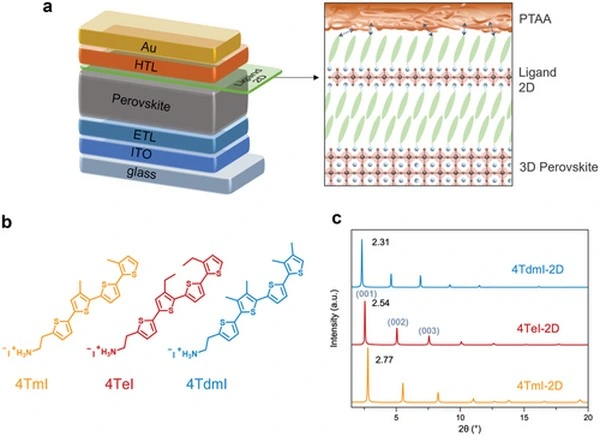
Ligands improve molecular contact between a perovskite layer and hydrophobic polymer hole transporter. The resulting interfacial structure increases photovoltaic efficiency and enhances resistance to heat and moisture.
Zhifan Ke, Ashkan Abtahi, Jinhyo Hwang, Ke Chen, Jagrity Chaudhary, Inho Song, Kuluni Perera, Liyan You, Kyle N. Baustert, Kenneth R. Graham, Jianguo Mei*
A copper-catalyzed one-pot process combines polymer formation with reductive doping to produce a transparent organic conductor. Its solution-processable films also store charge and function with PEDOT:PSS in an efficient complementary electrochromic device.
Alexander X. Chen, Jeremy D. Hilgar, Anton A. Samoylov, Silpa S. Pazhankave, Jordan A. Bunch, Kartik Choudhary, Guillermo L. Esparza, Allison Lim, Xuyi Luo, Hu Chen, Rory Runser, Iain McCulloch, Jianguo Mei, Christian Hoover, Adam D. Printz, Nathan A. Romero, Darren J. Lipomi*
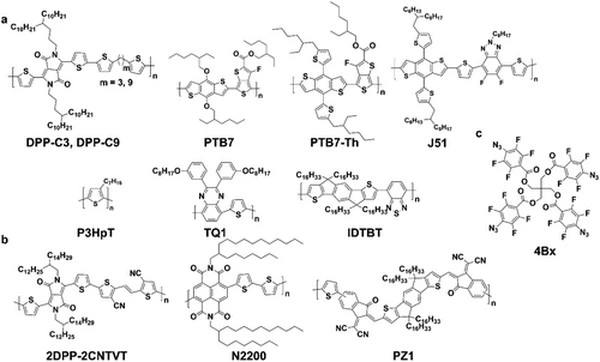
Crosslinking is a ubiquitous strategy in polymer engineering to increase the thermomechanical robustness of solid polymers but has been relatively unexplored in the context of π‐conjugated (semiconducting) polymers. Notwithstanding, mechanical stability is key to many envisioned applications of organic electronic devices. For example, the wide‐scale distribution of photovoltaic devices incorporating conjugated polymers may depend on integration with substrates subject to mechanical insult—for example, road surfaces, flooring tiles, and vehicle paint. Here, a four‐armed azide‐based crosslinker (“4Bx”) is used to modify the mechanical properties of a library of semiconducting polymers. Three polymers used in bulk heterojunction solar cells (donors J51 and PTB7‐Th, and acceptor N2200) are selected for detailed investigation. In doing so, it is shown that low loadings of 4Bx can be used to increase the strength (up to 30%), toughness (up to 75%), hardness (up to 25%), and cohesion of crosslinked films. Likewise, crosslinked films show greater physical stability in comparison to non‐crosslinked counterparts (20% vs 90% volume lost after sonication). Finally, the locked‐in morphologies and increased mechanical robustness enable crosslinked solar cells to have greater survivability to four degradation tests: abrasion (using a sponge), direct exposure to chloroform, thermal aging, and accelerated degradation (heat, moisture, and oxygen).
Zhiyang Wang, John M. Andjaba, Christopher Rybak, Liyan You, Christopher Uyeda*, Jianguo Mei*
Complementary electrochromic devices combine color changes at both electrodes under an applied voltage. The publisher abstract describes this coordinated response as a way to improve the coloration obtained from the supplied charge.
Kuluni Perera, Wenting Wu, Liyan You, James F. Elman, Zhiyang Wang, Xiaokang Wang, Mustafa Ahmed, Zhifan Ke, Jianguo Mei*
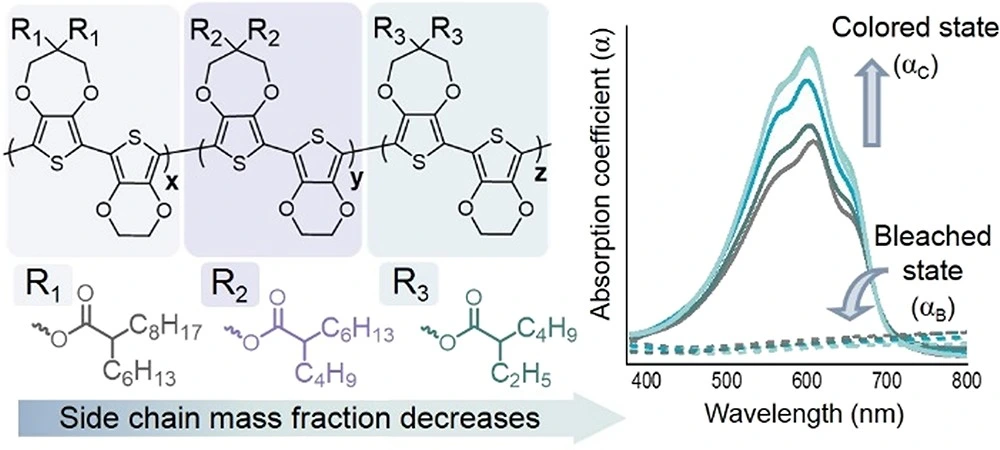
Side-chain design increases the density of absorbing groups in electrochromic polymers while preserving transparency after bleaching. Stronger absorption enables thinner, fast-switching films and improves optical contrast, particularly in the dark colored state.
Zhifan Ke, Mustafa H. Ahmed, Ashkan Abtahi, Shih-Hsin Hsu, Wenting Wu, Michael F. Espenship, Kyle N. Baustert, Kenneth R. Graham, Julia Laskin, Liang Pan, Jianguo Mei*
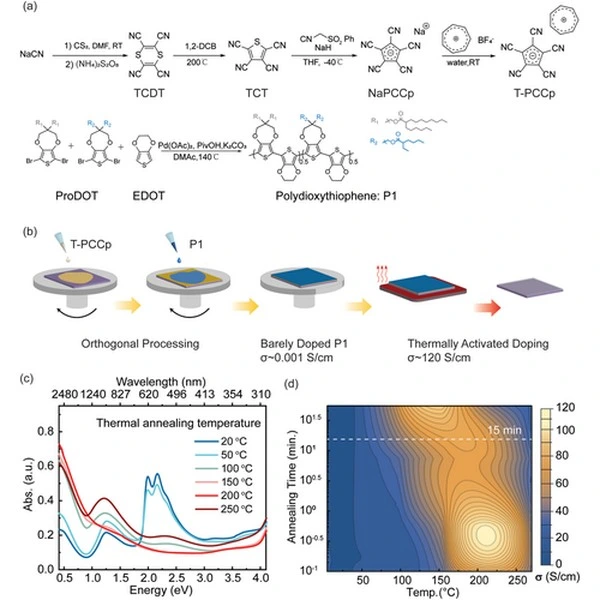
Doping plays a critical role in organic electronics, and dopant design has been central in the development of functional and stable doping. In this study, there is departure from conventional molecular dopants and a new class of dopants are reported – aromatic ionic dopants (AIDs). AIDs consist of a pair of aromatic cation and anion that are responsible for molecular doping reaction and charge balancing separately. It is shown that the first AID made from cycloheptatrienyl (tropylium) cation and pentacyanocyclopentadienide anion (PCCp), abbreviated as T‐PCCp, can function as an effective p ‐type dopant to dope polydioxythiophenes. Here, tropylium cation induces the doping reaction while the PCCp anion stabilizes the generated polarons and bipolarons. With T‐PCCp, a highly doped (≈120 S/cm) and stable system is achieved up to 150 °C, an orthogonal (sequential)solution processing resulting from the immiscibility of the dopant and the polymer host, and a high‐resolution direct micropatterning with laser writing resulted from a thermally activated doping process.
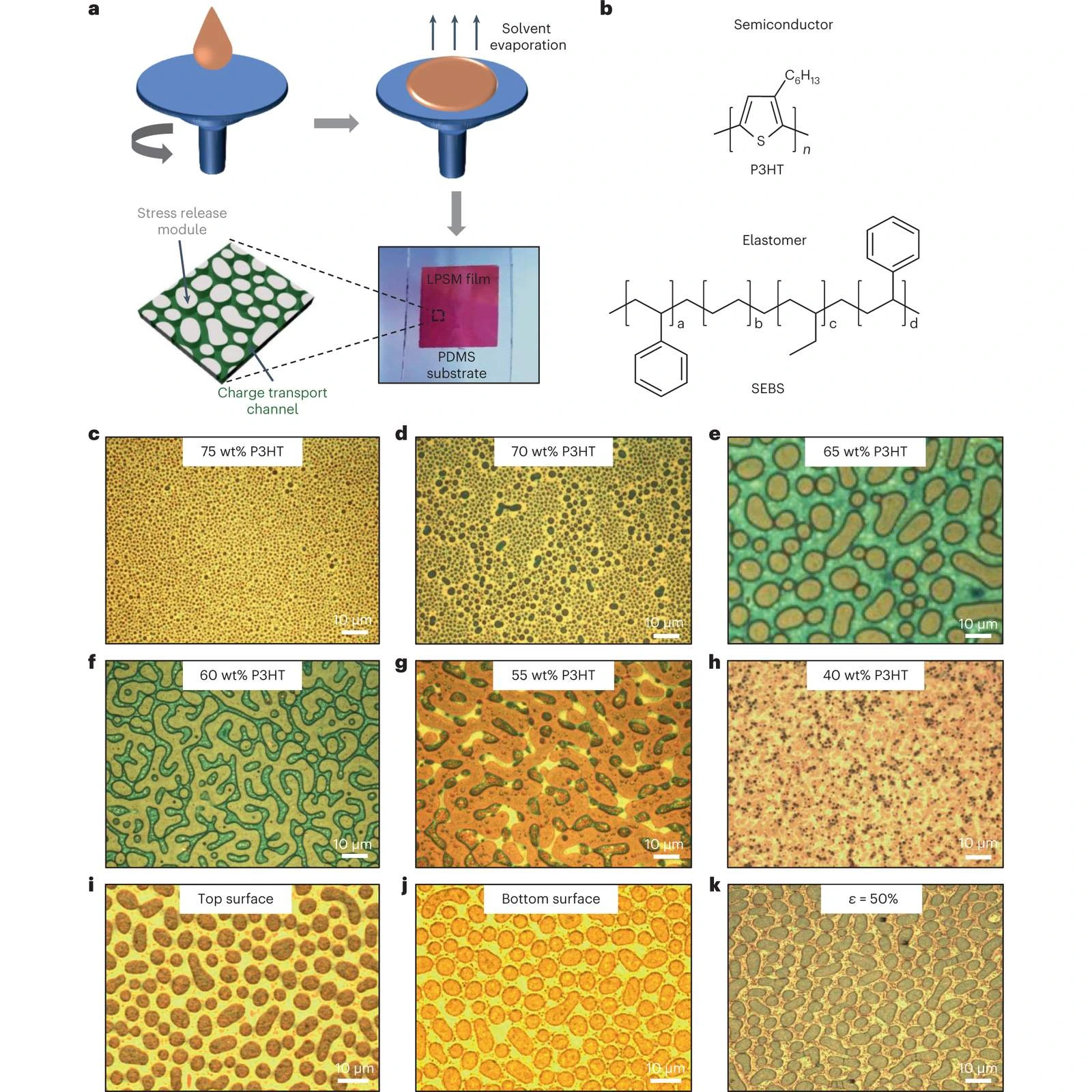
Phase separation of a two-polymer blend produces a continuous semiconductor micromesh within a rubbery film. The stretchable material supports transistors, inverters and photodetectors, including an electronic patch for mapping electrical signals from a rat heart.
Xuyi Luo, Zitang Wei, Bumjoon Seo, Qixuan Hu, Xiaokang Wang, Joseph A. Romo, Mayank Jain, Mukerrem Cakmak, Bryan W. Boudouris, Kejie Zhao, Jianguo Mei, Brett M. Savoie, Letian Dou*
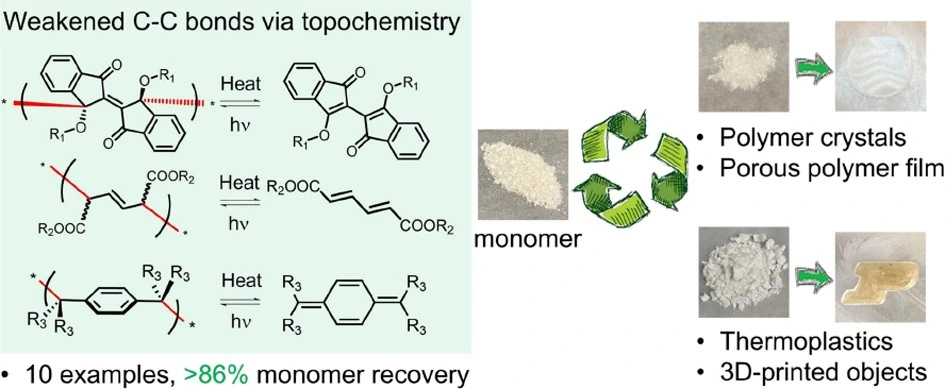
Photochemical polymerization creates unusually elongated carbon-carbon bonds that can later be selectively broken. The resulting polymers remain processable and printable, supporting a strategy for useful plastics with recoverable starting materials.
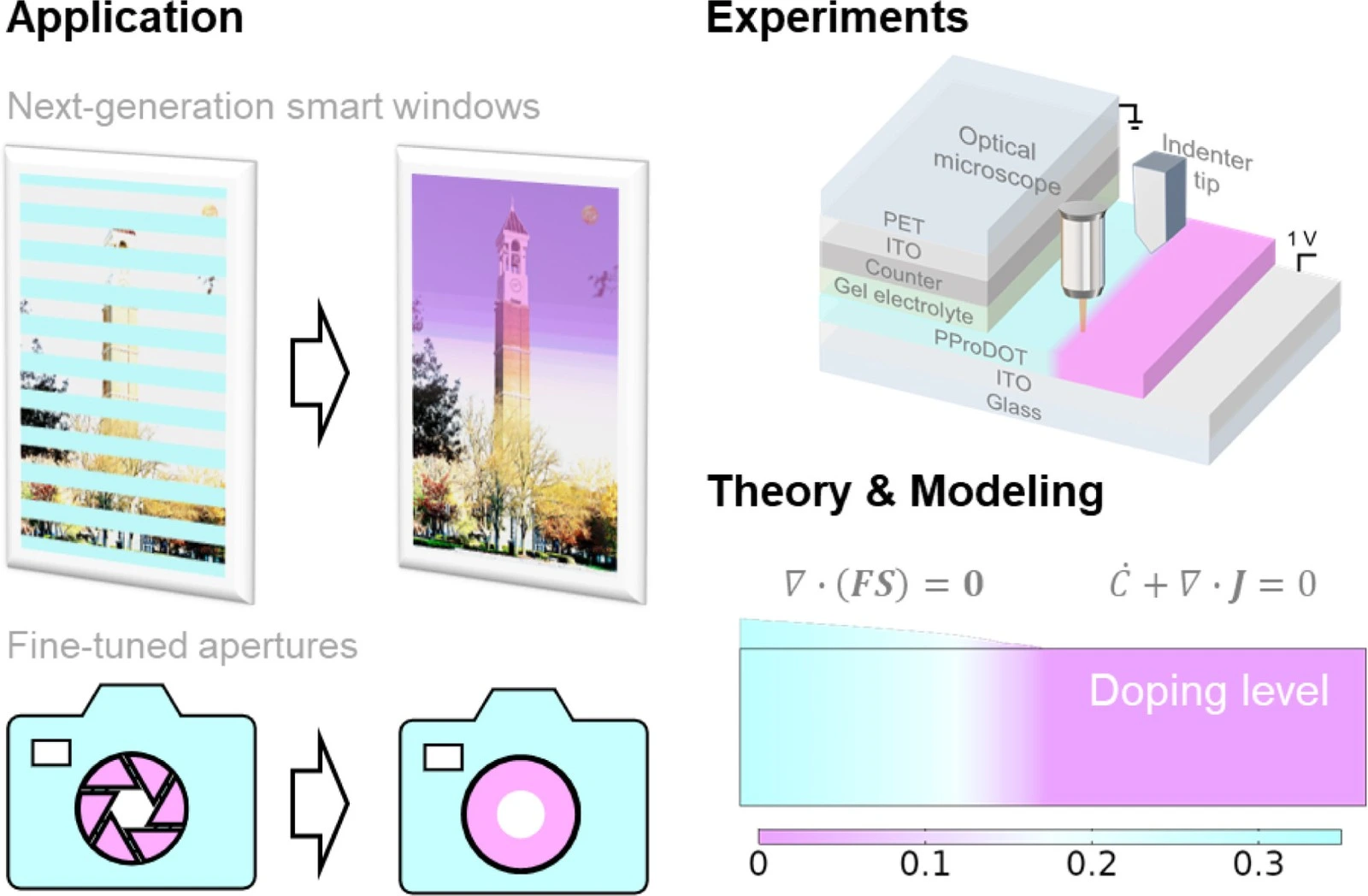
A moving-front experiment tracks electrochemical doping in a polymer film using optical microscopy and mechanical measurements. The propagation follows diffusion-related time dependence, connecting charge compensation with changes in the material's mechanical response.
Mustafa Ahmed, Dung T. Tran, John Putziger, Zhifan Ke, Ashkan Abtahi, Zhiyang Wang, Ke Chen, Kai Lang*, Jianguo Mei*
Stable aromatic anions were incorporated into a polymeric electrolyte. Combining this material with doped PEDOT improves thermal retention of electrical conductivity, demonstrating a role for counterion design in stabilizing conducting polymers.
Ho Joong Kim, Kuluni Perera, Zihao Liang, Brennen Bowen, Jianguo Mei, Bryan W. Boudouris*
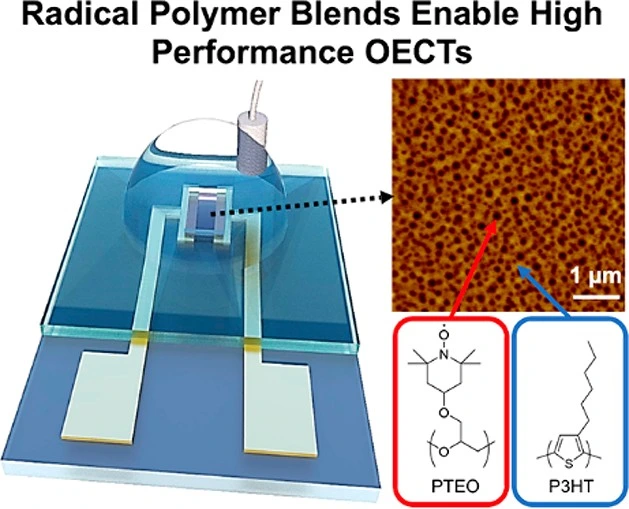
Blending a radical polymer with a conventional conjugated polymer strongly modifies electrochemical transistor performance. Even a small radical-polymer fraction provides substantial mixed-conduction capability, enabling the response to be tailored through composition and processing.
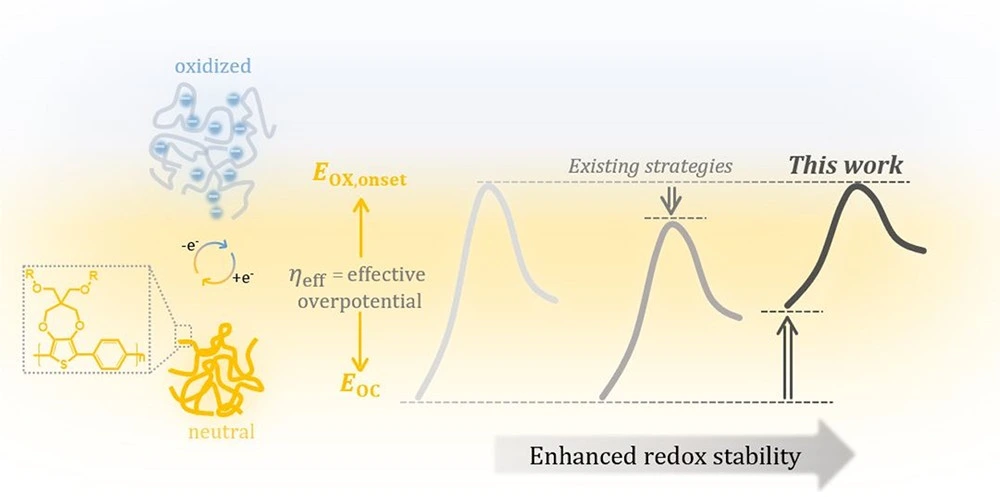
Cycling stability of yellow electrochromic polymers depends on the effective overpotential rather than oxidation onset alone. Controlling this voltage difference substantially extends repeated color switching and provides a strategy applicable to other high-energy-absorbing polymers.
Invited
Dedicated to Dr. Daoben Zhu on the occasion of his 80th birthday
Ke Chen, Yukun Wu, Liyan You, Wenting Wu, Xiaokang Wang, Di Zhang, James F. Elman, Haiyan Wang, Kejie Zhao, Jianguo Mei*
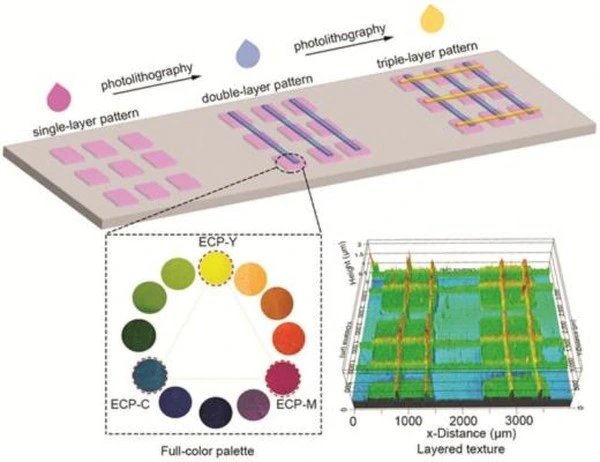
Stacking electrochromic polymers and patterning them by direct photolithography produces adjustable color combinations and layered textures. Modeling guides the arrangement of layers to achieve controlled electrical color switching.
Invited
Dedicated to Dr. Seth Marder on the occasion of his 60th birthday
Zhiyuan Qian, Luke A. Galuska, Guorong Ma, William W. McNutt, Song Zhang, Jianguo Mei, Xiaodan Gu*
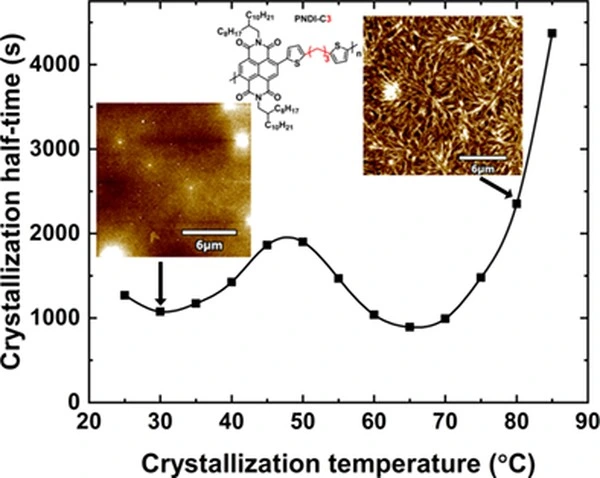
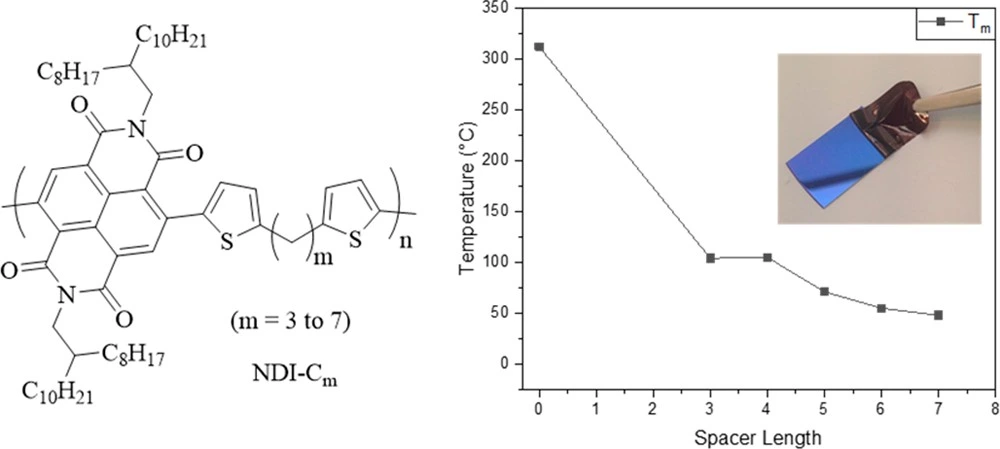
Flexible interruptions in polymer backbones alter crystallization rates and thermal transitions. Comparisons across spacer lengths reveal an odd-even effect, connecting backbone rigidity and crystallization with the mechanical stability of semiconductor films.
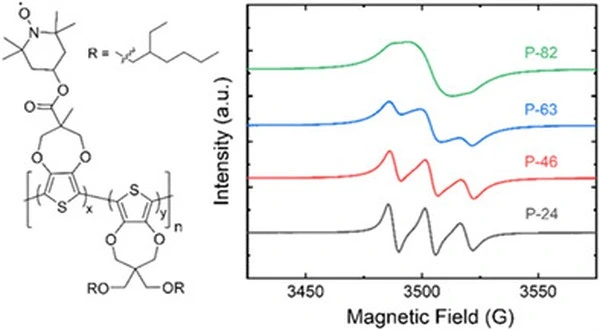
Adding radical-bearing groups to ProDOT polymers changes both electrochemical doping and mass uptake. The modified polymers oxidize at lower potentials and absorb more solvent and ions, clarifying how open-shell content affects mixed transport.
Xuyi Luo, Hongguang Shen, Kuluni Perera, Dung Trong Tran, Bryan W. Boudouris*, Jianguo Mei*
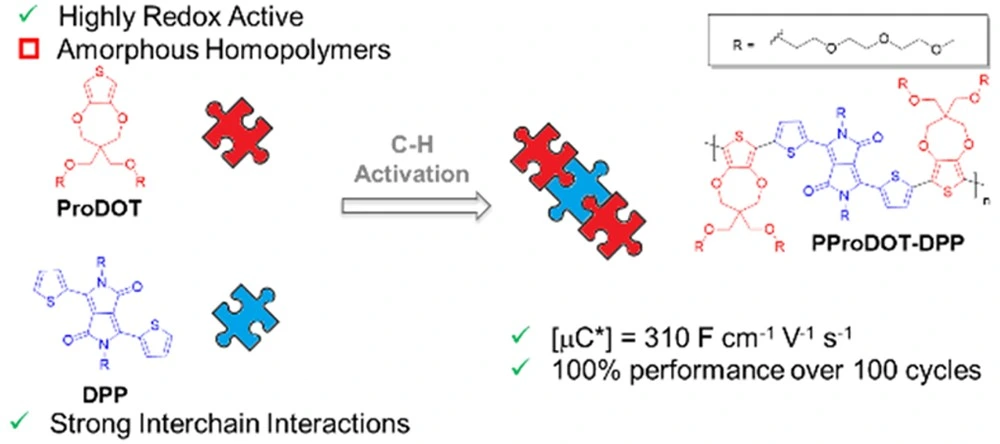
Introducing crystalline acceptor units into donor-based polymers provides a design route for stable electrochemical transistors. The work relates molecular structure to combined ionic and electronic transport, targeting improved performance without sacrificing operating stability.
Saadia Chaudhry, Yukun Wu, Zhiqiang Cao, Shi Li, Jodie L. Canada, Xiaodan Gu, Chad Risko*, Jianguo Mei*
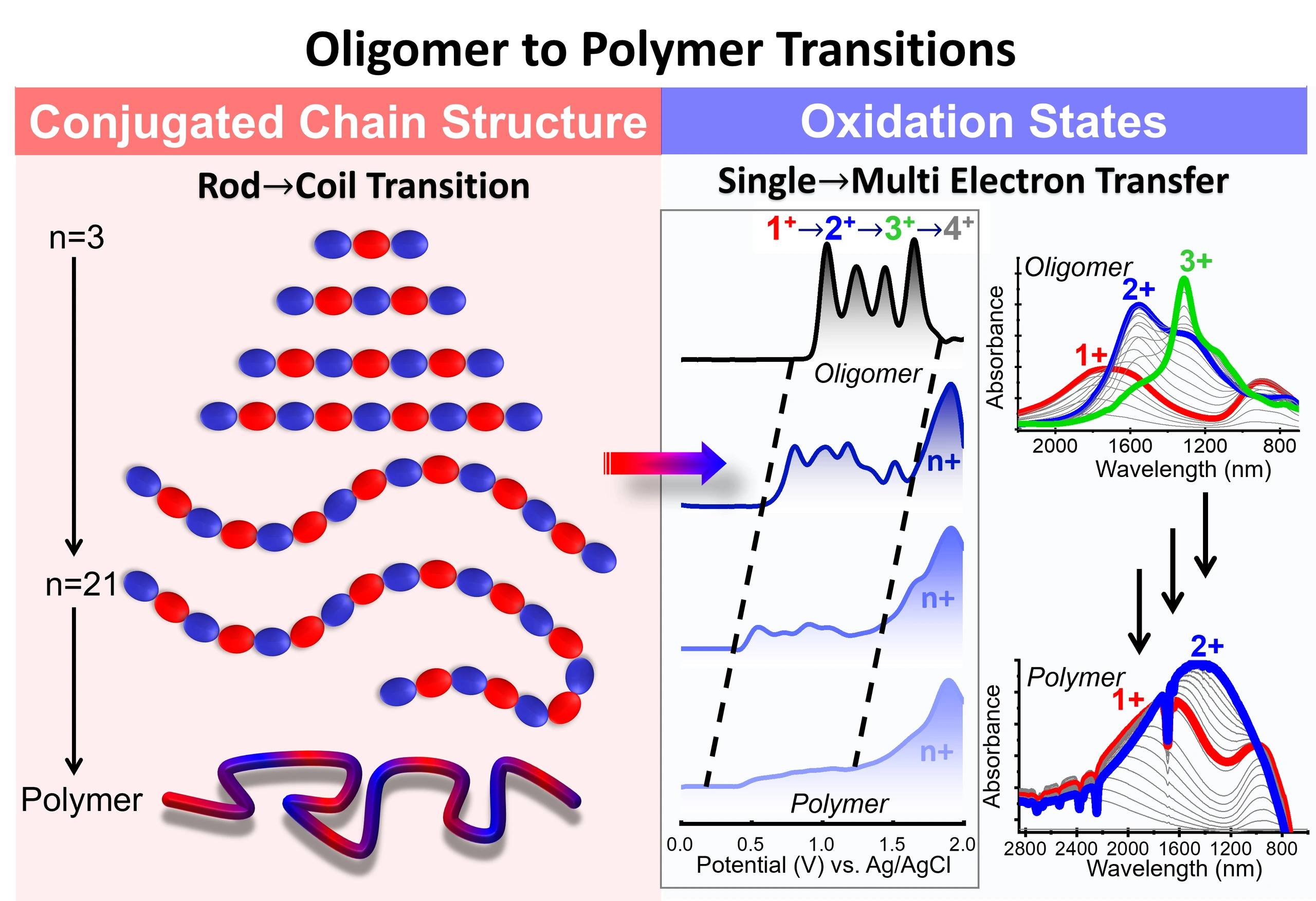
A defined oligomer series reveals how increasing chain length changes polymer conformation and oxidation behavior. Measurements locate transitions between rigid and coiled chains and between different charged configurations, clarifying when small molecules begin to behave like polymers.
Hongguang Shen, Ashkan Abtahi, Björn Lüssem, Bryan Boudouris*, Jianguo Mei*
This review examines how organic electrochemical transistor materials, interfaces and device geometry affect function. It connects these design choices to sensing, physiological recording and neuromorphic processing, while identifying barriers to practical use.
Ke Chen, Jiazhi He, Di Zhang, Liyan You, Xuefei Li, Haiyan Wang, Jianguo Mei*
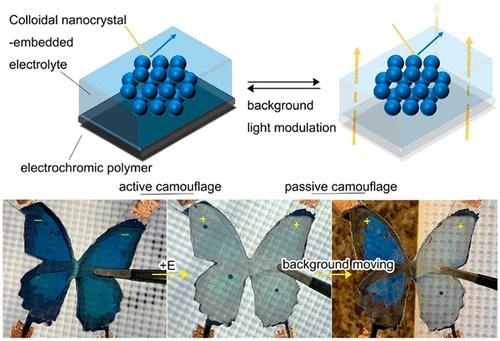
Embedding colloidal crystals in electrochromic material creates an electrically adjustable camouflage surface. Changes in polymer absorption control the balance of transmission and reflection, producing a broad color range and angle-dependent appearance.
Ke Ma, Harindi Atapattu, Qiuchen Zhao, Yao Gao, Blake P. Finkenauer, Kang Wang, Ke Chen, Aidan H. Coffey, Chenhui Zhu, Libai Huang, Kenneth Graham, Jianguo Mei*, Letian Dou*
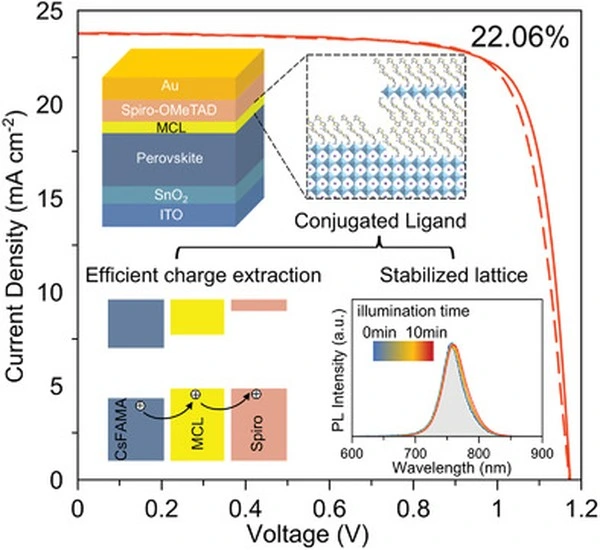
Conjugated ligands passivate the perovskite interface while improving energy alignment and limiting recombination. The modified solar cells combine higher efficiency with reduced ion migration and better operational stability.
Yifei Sun, Qi Wang*, Tae Joon Park, Thomas Edward Gage, Zhen Zhang, Xuejing Wang, Di Zhang, Xing Sun, Jiazhi He, Hua Zhou, Daw Gen Lim, Chengzi Huang, Haoming Yu, Xuegang Chen, Haiyan Wang, Jianguo Mei, Eric Deguns, Shriram Ramanathan*
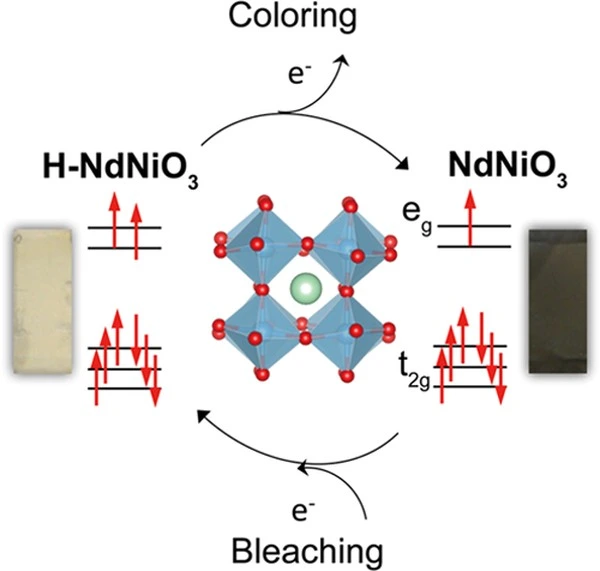
Neodymium nickelate films change optical transmission during electrochromic switching. The study compares fabrication-dependent film structures and finds stronger activity in porous solution-deposited films, supporting their potential for smart-window and shutter applications.
John M. Andjaba, Christopher J. Rybak, Zhiyang Wang, Jianheng Ling, Jianguo Mei*, Christopher Uyeda*
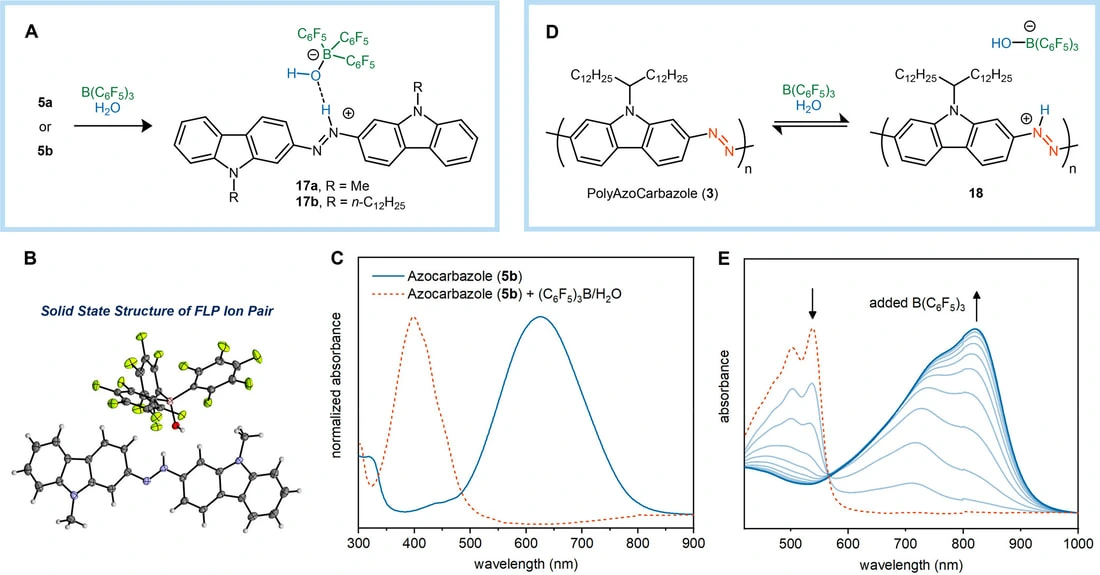
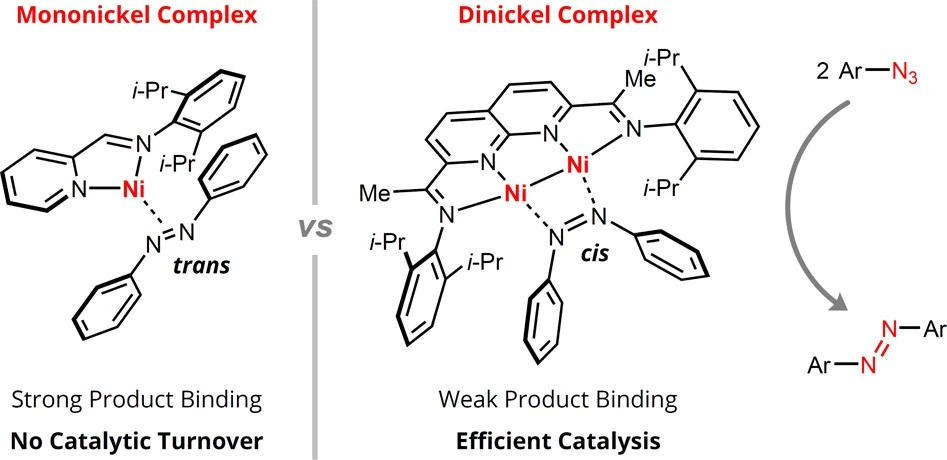
A dinickel catalyst couples aromatic diazides into conjugated polymers containing azo linkages. The synthesis tolerates several electronic building blocks, while protonation and reversible reduction provide additional ways to tune the polymers' electronic behavior.
Zhiming Liang, Hyun Ho Choi, Xuyi Luo, Tuo Liu, Ashkan Abtahi, Uma Shantini Ramasamy, J. Andrew Hitron, Kyle N. Baustert, Jacob L. Hempel, Alex M. Boehm, Armin Ansary, Douglas R. Strachan, Jianguo Mei, Chad Risko, Vitaly Podzorov, Kenneth R. Graham
Heavy oxidative doping can produce substantial electron transport even in polymers usually described as p-doped. Electrical and spectroscopic measurements connect this behavior to changes in electronic structure and suggest a route to n-type thermoelectric performance.
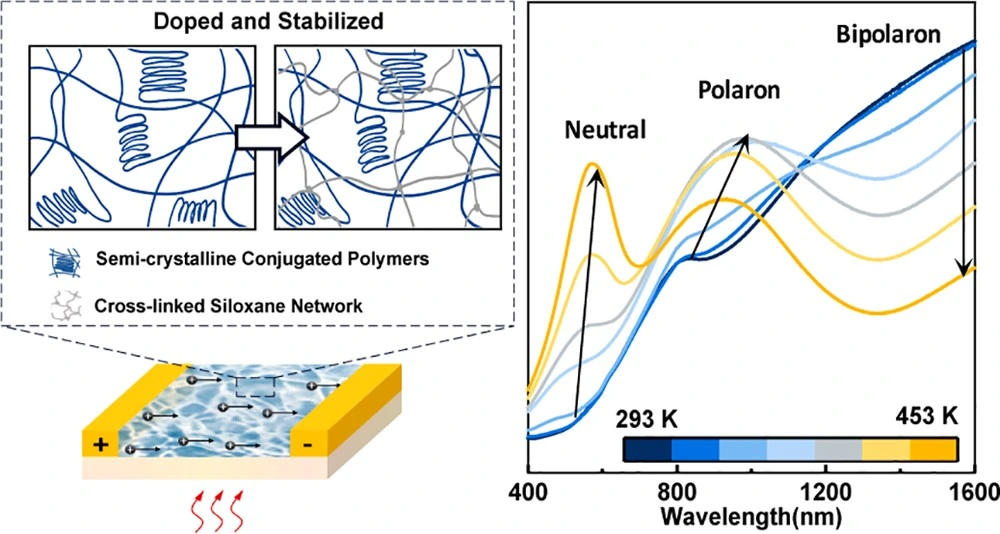
A chlorosilane-derived network simultaneously dopes and stabilizes conjugated polymers. The composites retain conductivity during prolonged heating and resist water and organic solvent exposure, providing a route to more durable conducting films.
Ke Ma, Sheng-Ning Hsu, Yao Gao, Zitang Wei, Linrui Jin, Blake P. Finkenauer, Libai Huang, Bryan W. Boudouris*, Jianguo Mei*, Letian Dou*
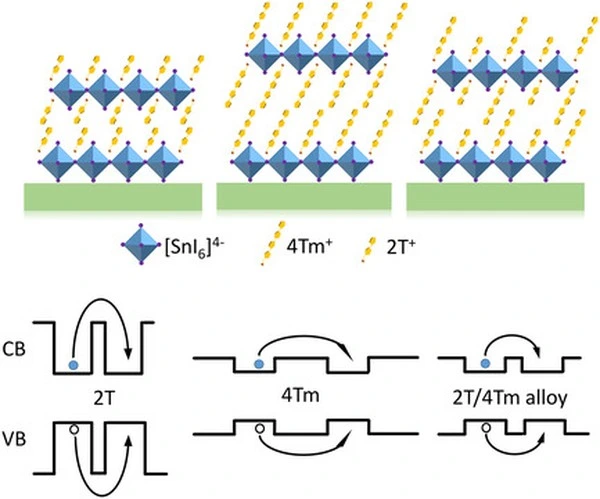
2D organic–inorganic hybrid halide perovskites are promising semiconductor materials for a variety of device applications. However, fundamental issues of charge transport through multiple quantum wells separated by bulky organic ligands remain unsolved. Herein, a mixture of π‐conjugated organic ligands, (2‐(3‴,4′‐dimethyl‐[2,2′:5′,2′:5″,2‴‐quaterthiophen]‐5‐yl)ethan‐1‐ammonium iodide) (4Tm) and 2‐([2,2′‐bithiophen]‐5‐yl)ethan‐1‐aminium iodide (2T), is used as spacer to form (4Tm) x (2T)2−x SnI4 2D perovskite thin films. The new strategy of alloying 2T into 4Tm ligands reduces the interlayer distance (barrier thickness) while maintaining the relatively small energy barrier height for the hybrid quantum wells, enhances interlayer interactions, and improves charge transport across adjacent perovskite layers. Moreover, solar cell devices fabricated with (4Tm) x (2T)2−x SnI4 exhibit improved photovoltaic properties and stability.
Xuefei Li, Zhiyang Wang, Ke Chen, Dmitry Y. Zemlyanov, Liyan You, Jianguo Mei*
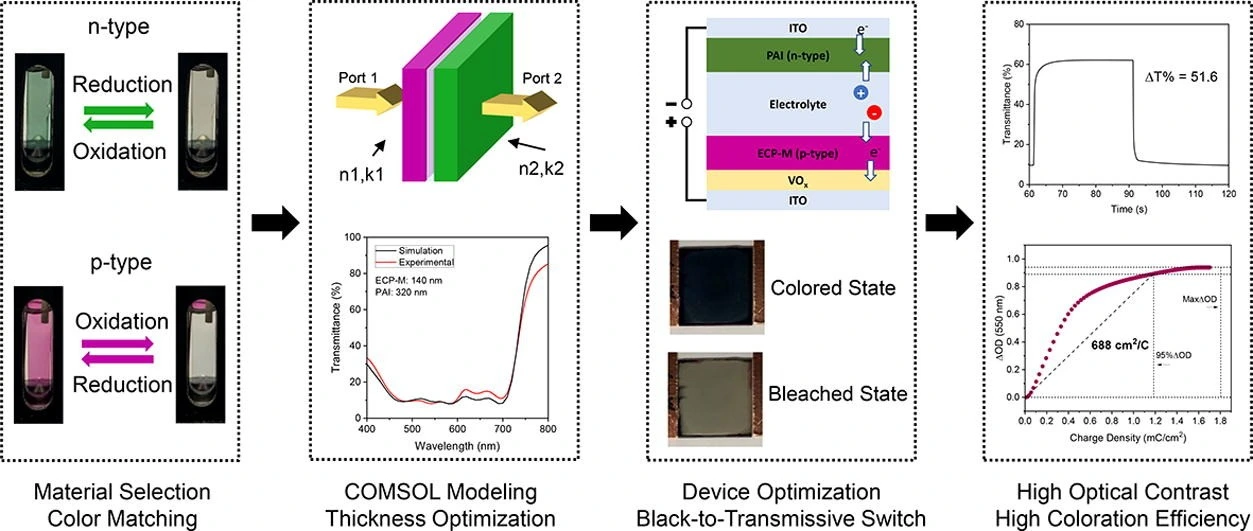
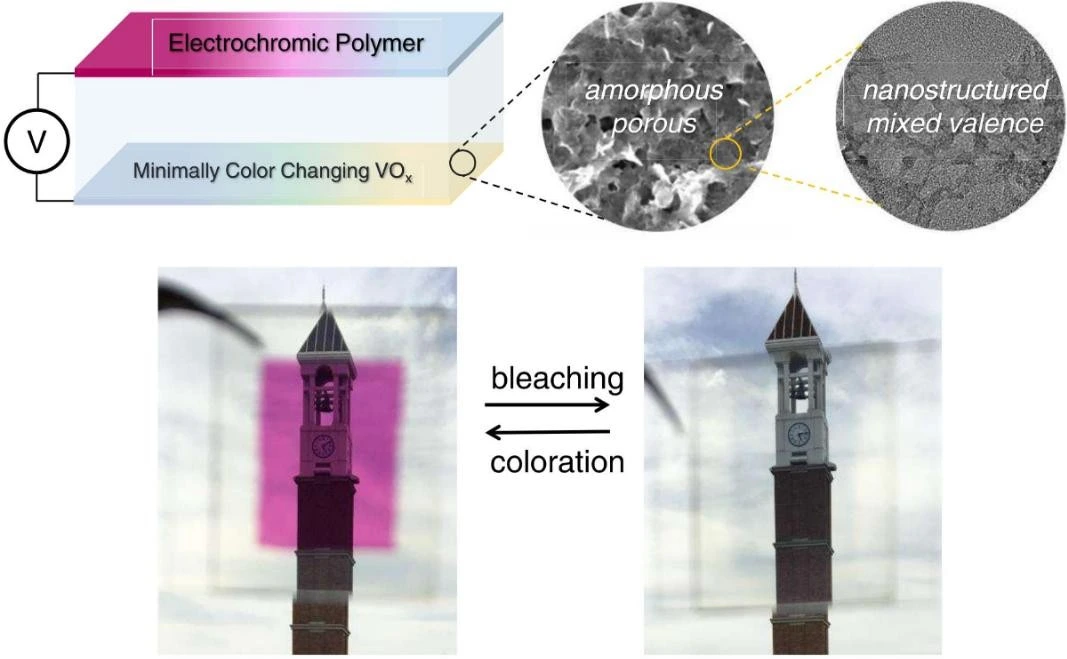
Matching the electroactive voltage ranges of a polymer and its counterelectrode improves hybrid electrochromic durability. An amorphous vanadium-oxide storage layer provides charge balance with little color interference, enabling extended cycling with limited optical loss.
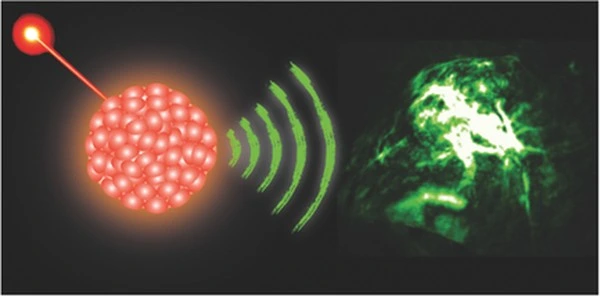
Nanoparticle transducers generate photoacoustic signals under 1,030 nm laser pulses. The publisher highlights describe their application to neuronal stimulation without requiring genetic modification.
An oxygen-doped conjugated polymer forms water-compatible probes that respond to acidity through aggregation. The approach avoids surfactants and supports activatable photoacoustic imaging in the second near-infrared window.
Xiaokang Wang, Luize Scalco de Vasconcelos, Ke Chen, Kuluni Perera, Jianguo Mei*, Kejie Zhao*
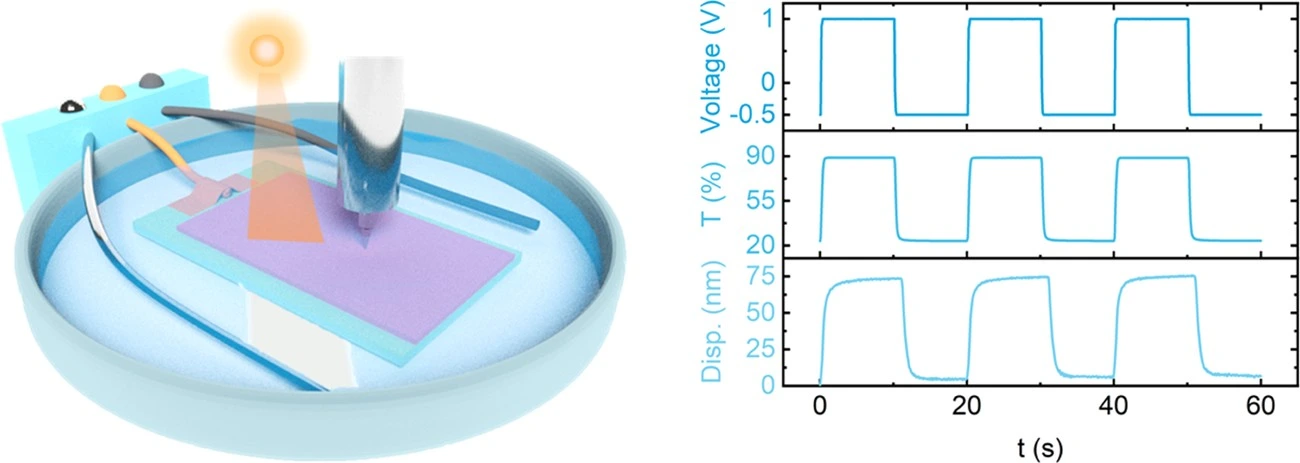
In-situ measurements track swelling strain and mechanical deterioration during electrochemical cycling of a polymer film. Repeated operation creates cracks and regions with uneven switching, connecting mechanical damage to declining electrochromic reliability.
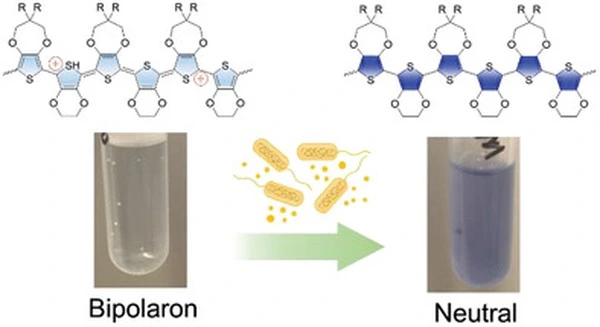
Bacterial metabolism changes the color and spectrum of an oxidized water-soluble polymer. The study uses this response for rapid bacterial detection and antibiotic-susceptibility assessment, shortening the time needed compared with conventional culture-based measurements.
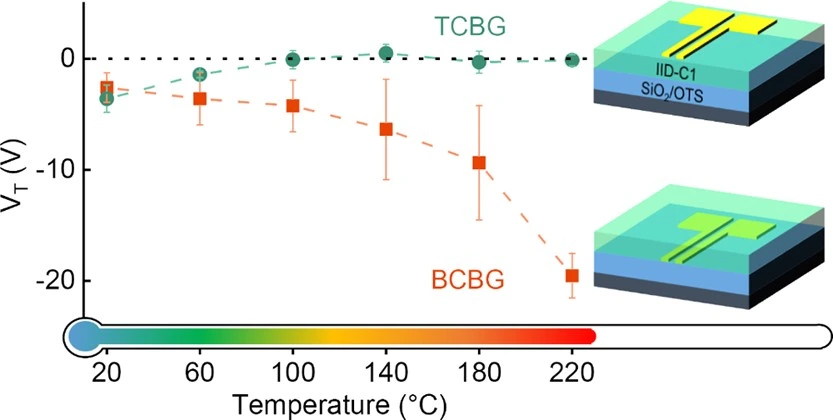
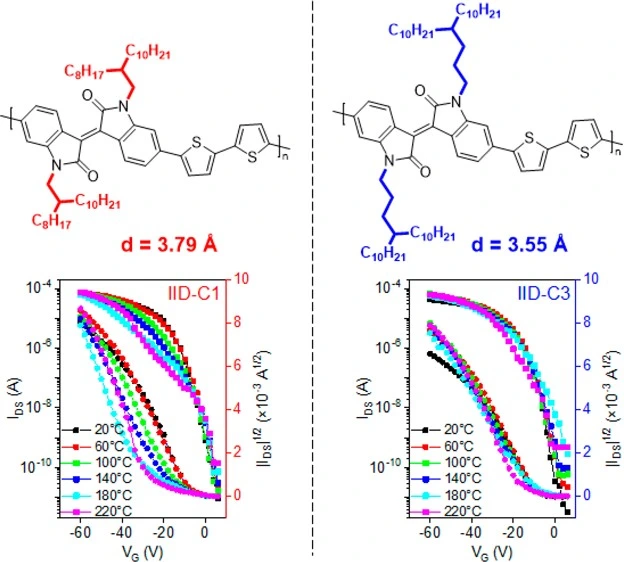
High-temperature transistor instability can arise at electrical contacts as well as within the polymer channel. Adding a thin molybdenum-oxide contact layer improves injection and helps suitable devices maintain operation at 220 °C.
Luke A. Galuska, William W. McNutt, Zhiyuan Qian, Song Zhang, Daniel W. Weller, Sujata Dhakal, Eric R. King, Sarah E. Morgan, Jason D. Azoulay, Jianguo Mei*, Xiaodan Gu*
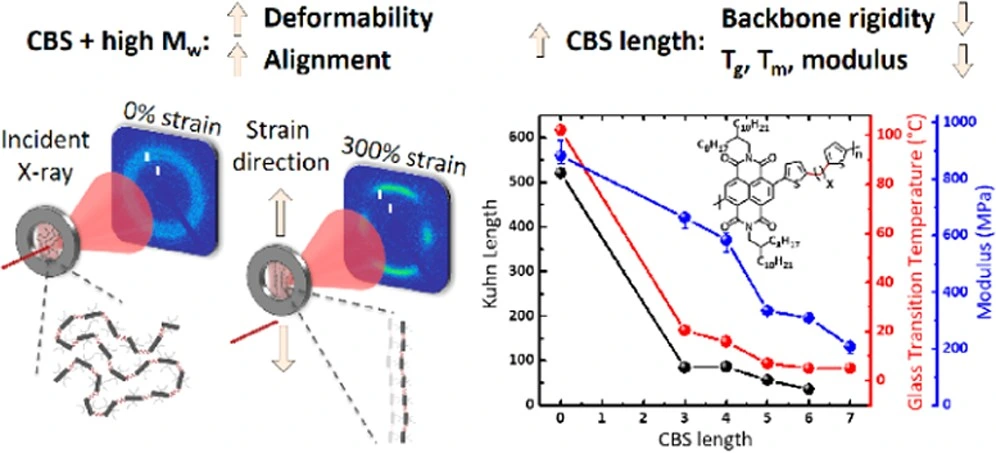
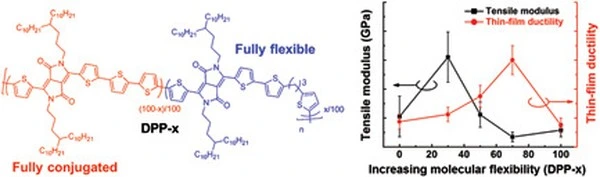
Flexible spacers reduce backbone rigidity, elastic modulus and glass-transition temperature in an n-type semiconductor series. Scattering, rheology and deformation measurements connect these molecular changes with enhanced ductility and stretchability of sufficiently entangled polymers.
William W. McNutt, Aristide Gumyunsenge, Luke A. Galuska, Zhiyuan Qian, Jiazhi He, Xiaodan Gu, Jianguo Mei*
A small fraction of fully conjugated polymer improves transport in blends containing a more processable n-type matrix. The study shows how complementary blending can overcome poor transport in the largely amorphous matrix material.
Pei Su, Hang Hu, Daisy Unsihuay, Di Zhang, Tiziano Dainese, Rosa E. Diaz, Jongsu Lee, Don K. Gunaratne, Haiyan Wang, Flavio Maran, Jianguo Mei, Julia Laskin
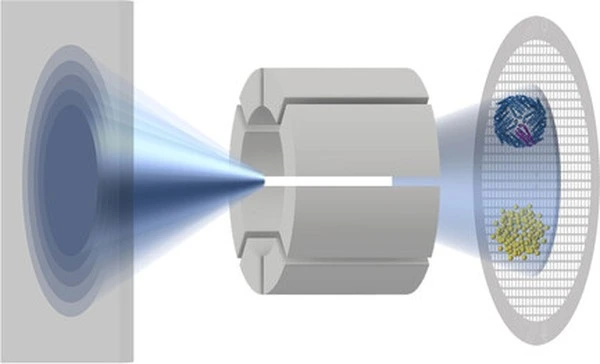
A rotating-wall mass analyzer enables controlled deposition of selected ions onto surfaces. Demonstrations span nanocrystals and complex mixtures, providing a route to well-defined interfaces and high-throughput screening of deposited molecular species.
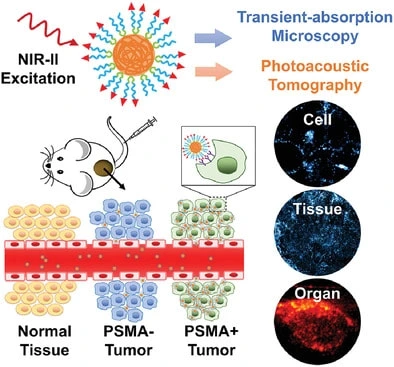
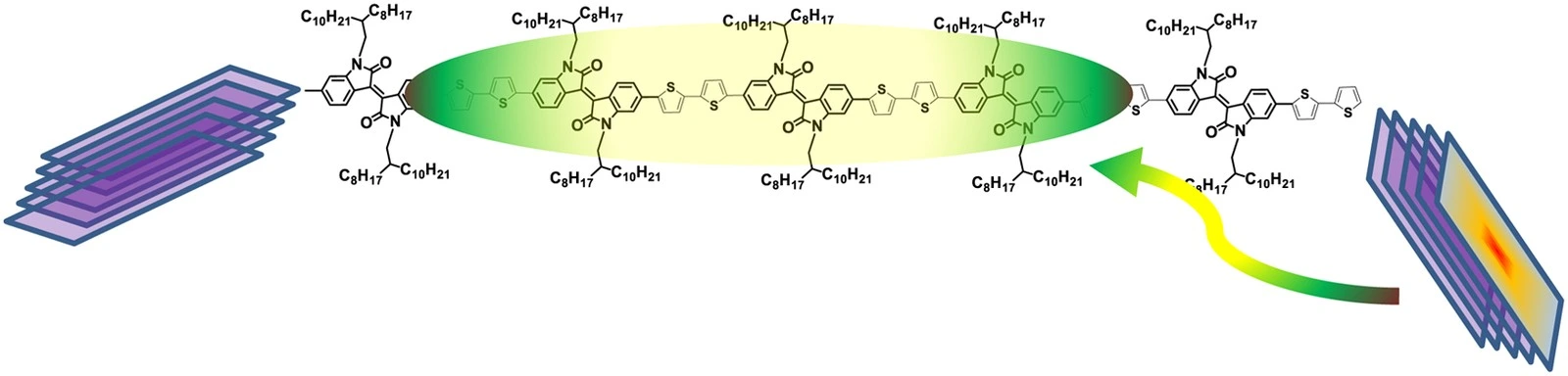
A targeted ligand is attached to bis-isoindigo polymer nanoparticles to recognize PSMA-positive prostate cancer. Photoacoustic tomography and microscopy assess their distribution and imaging behavior, from cellular interactions to tumor-scale observation.
This review outlines the challenges of electronic operation at elevated temperature and examines organic semiconductors as candidate heat-resistant materials. It discusses molecular design and fabrication approaches for maintaining function in demanding thermal environments.
Xiaokang Wang, Ke Chen, Luize Scalco de Vasconcelos, Jiazhi He, Jianguo Mei*, Kejie Zhao*
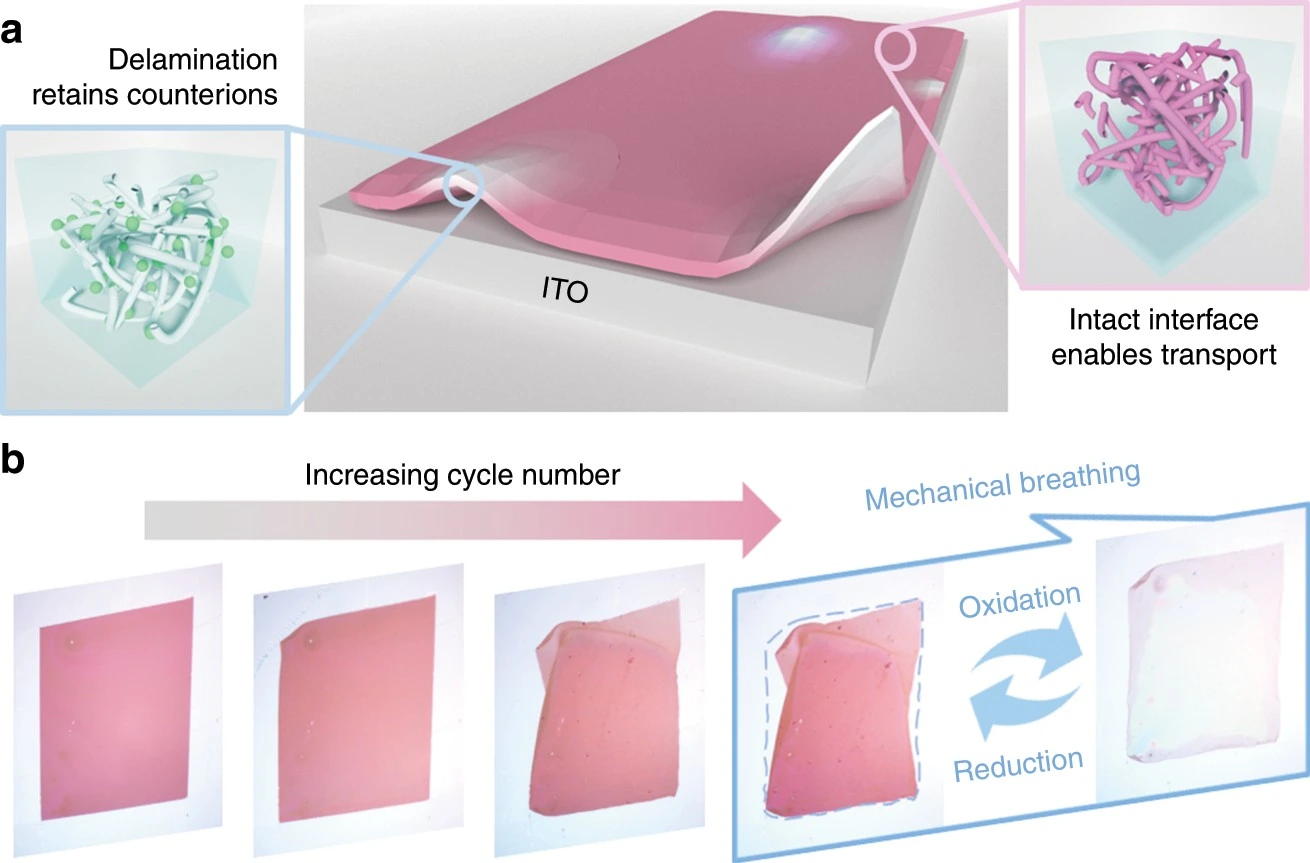
The repetitive size change of the electrode over cycles, termed as mechanical breathing, is a crucial issue limiting the quality and lifetime of organic electrochromic devices. The mechanical deformation originates from the electron transport and ion intercalation in the redox active material. The dynamics of the state of charge induces drastic changes of the microstructure and properties of the host, and ultimately leads to structural disintegration at the interfaces. We quantify the breathing strain and the evolution of the mechanical properties of poly(3,4-propylenedioxythiophene) thin films in-situ using customized environmental nanoindentation. Upon oxidation, the film expands nearly 30% in volume, and the elastic modulus and hardness decrease by a factor of two. We perform theoretical modeling to understand thin film delamination from an indium tin oxide (ITO) current collector under cyclic load. We show that toughening the interface with roughened or silica-nanoparticle coated ITO surface significantly improves the cyclic performance. Subject terms: Electronic devices, Polymers
Dung T. Tran, Aristide Gumyusenge, Xuyi Luo, Michael Roders, Zhengran Yi, Alexander L. Ayzner, Jianguo Mei*
Two side-chain designs were compared across isoindigo and diketopyrrolopyrrole polymers during high-temperature transistor operation. Longer side chains improve stacking and thermal stability, linking molecular packing with more consistent electrical behavior under heat.
Invited for the Young Investigator Forum special issue
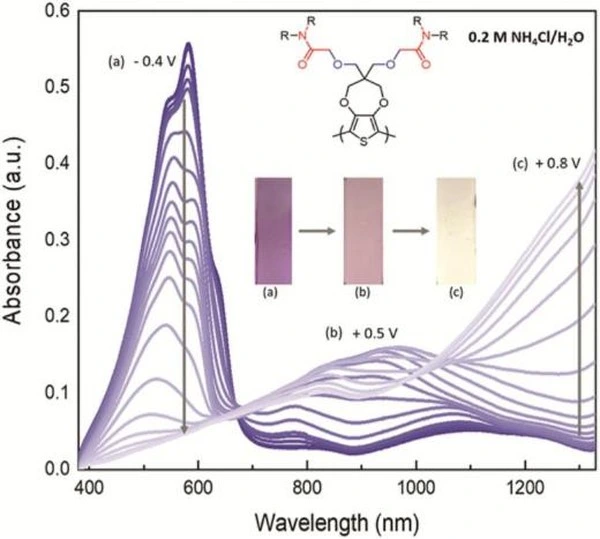
Amide-containing side chains make ProDOT-based electrochromic polymers electrochemically active in aqueous electrolyte. The reported modification provides a molecular-design route to compatibility with water-based operating conditions.
Invited
Invited Article for 2020 Emerging Investigators Themed Issue
Zhiyuan Qian, Luke Galuska, William W. McNutt, Michael U. Ocheje, Youjun He, Zhiqiang Cao, Song Zhang, Jie Xu, Kunlun Hong, Renée B. Goodman, Simon Rondeau-Gagné, Jianguo Mei, Xiaodan Gu
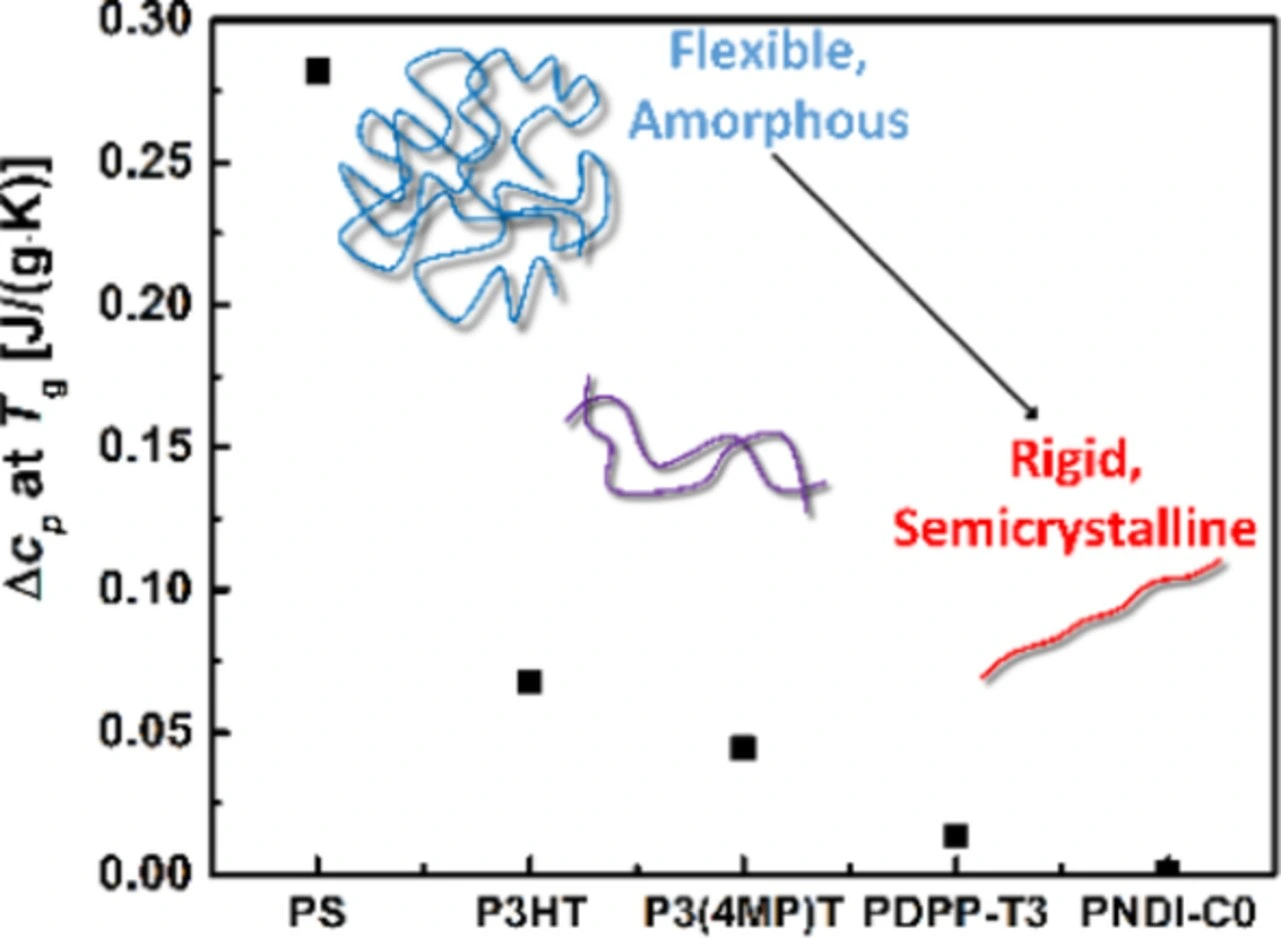
Rigid backbones and crystallinity make glass transitions difficult to detect by conventional calorimetry in conjugated polymers. Flexible backbone interruptions strengthen the thermal signal, while physical aging helps locate weak transitions in donor-acceptor materials.
This review evaluates solution-processable electrochromic materials for large-area smart windows. It organizes relevant performance measures, practical obstacles and strategies for moving from individual material demonstrations toward useful devices.
Invited
Invited Review for 2019 Emerging Investigators Themed Issue
Polyimide materials serve as the substrate, dielectric and semiconductor blend in heat-resistant plastic transistors. Electrical measurements demonstrate stable transport during high-temperature operation and prolonged heating.
Ashkan Abtahi, Stephen Johnson, So Min Park, Xuyi Luo, Zhiming Liang, Jianguo Mei, Kenneth R. Graham*
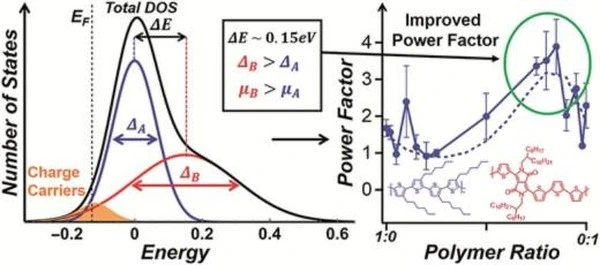
The publisher-deposited description proposes blending conjugated polymers as a way to adjust charge transport. This compositional approach is investigated for improving the performance of organic thermoelectric materials.
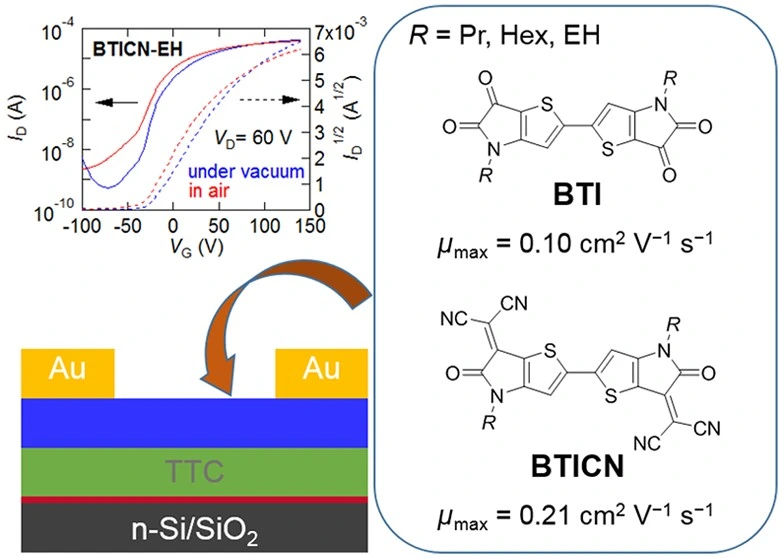
Bisthienoisatin molecules and their dicyanomethylene derivatives were compared as electron-transporting semiconductors. Side-chain-dependent packing influences transistor behavior, with selected derivatives achieving improved electron mobility.
Aristide Gumyusenge, Xuyi Luo, Hongyi Zhang, Gregory M. Pitch, Alexander L. Ayzner, Jianguo Mei*
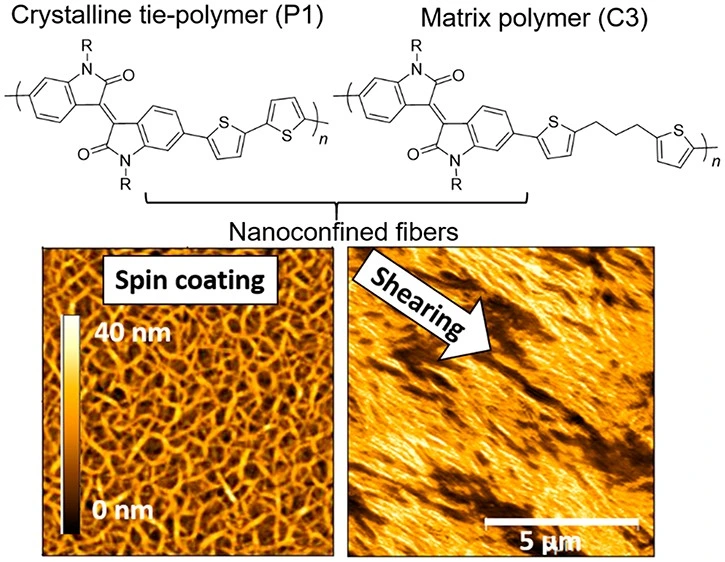
Structurally complementary isoindigo polymers self-assemble into semiconductor nanofiber networks from solution. Blade shearing aligns the fibers for transistor fabrication, offering a route to flexible and stretchable electronic films.
Saadia Chaudhry, Sean M. Ryno, Matthias Zeller, David R. McMillin*, Chad Risko*, Jianguo Mei*
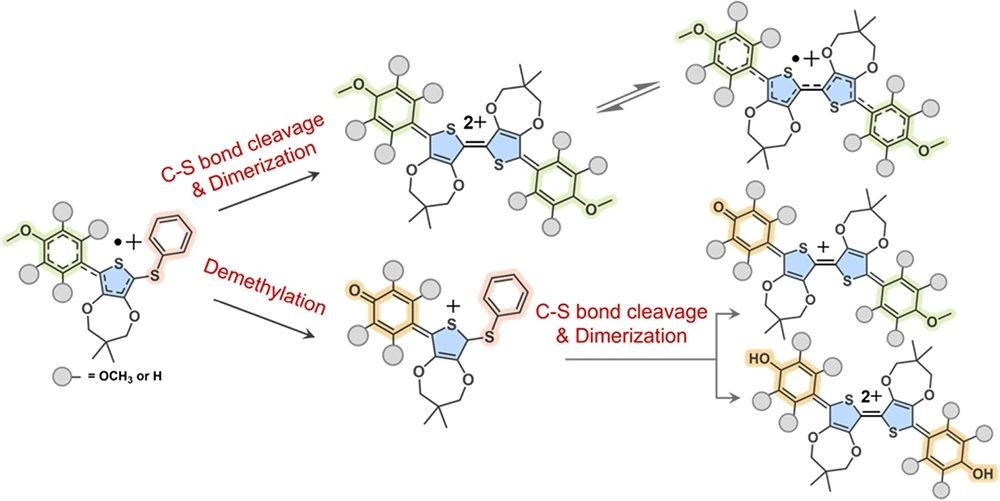
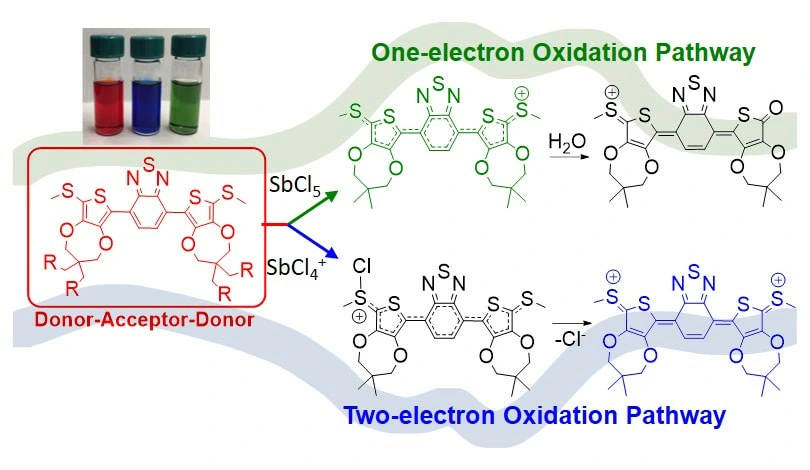
A sulfide-ended donor-acceptor molecule follows different reaction pathways under chemical and electrochemical oxidation. Structural, spectroscopic and computational analyses characterize the charged products and clarify chemistry relevant to electrochromic stability.
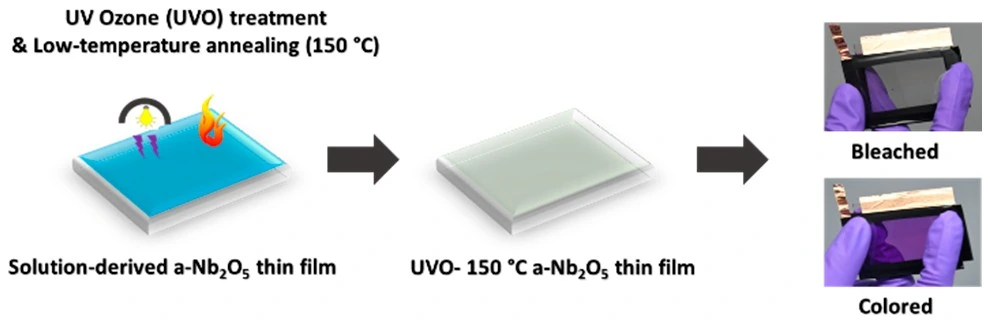
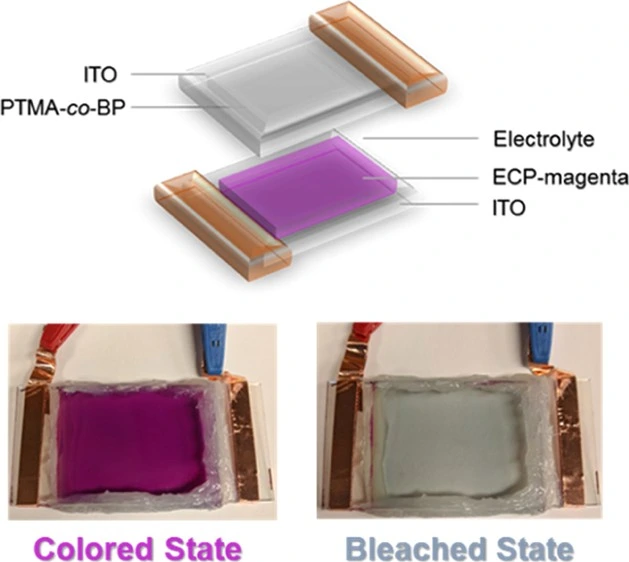
Solution-processed amorphous niobium oxide supplies charge storage with limited additional color change in hybrid electrochromic devices. Pairing it with a magenta polymer gives strong contrast, rapid switching and stable operation over repeated cycles.
Aristide Gumyusenge, Dung T. Tran, Xuyi Luo, Gregory M. Pitch, Yan Zhao, Kaelon A. Jenkins, Tim J. Dunn, Alexander L. Ayzner, Brett M. Savoie*, Jianguo Mei*
The publisher-deposited description reports that blending can preserve high charge conductivity in semiconducting polymers at elevated temperature. The demonstrated materials maintain this behavior up to 220 °C.
Xuyi Luo, Dung T. Tran, Natalie M. Kadlubowski, Carr Hoi Yi Ho, Parand Riley, Franky So, Jianguo Mei*
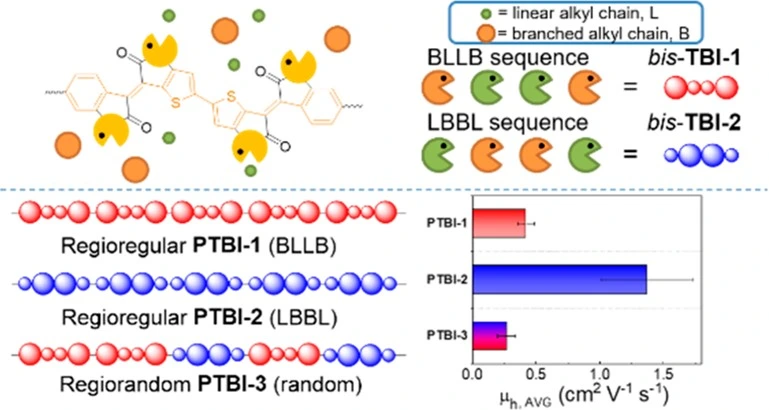
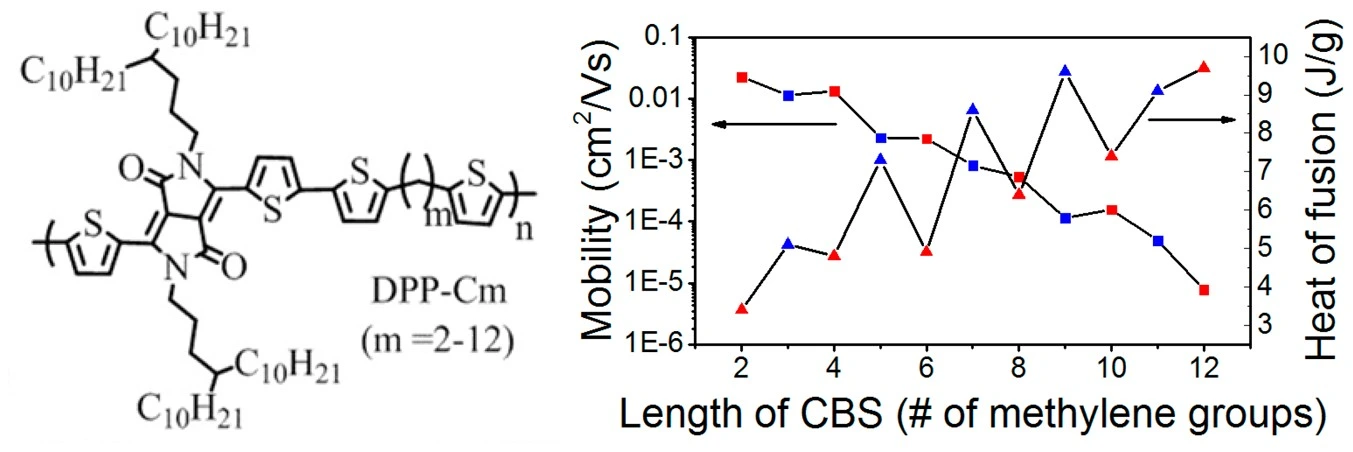
Changing side-chain sequence while retaining the same conjugated backbone alters aggregation and crystalline-domain organization. Comparisons between regular and random sequences connect these structural differences with markedly different transistor mobilities.
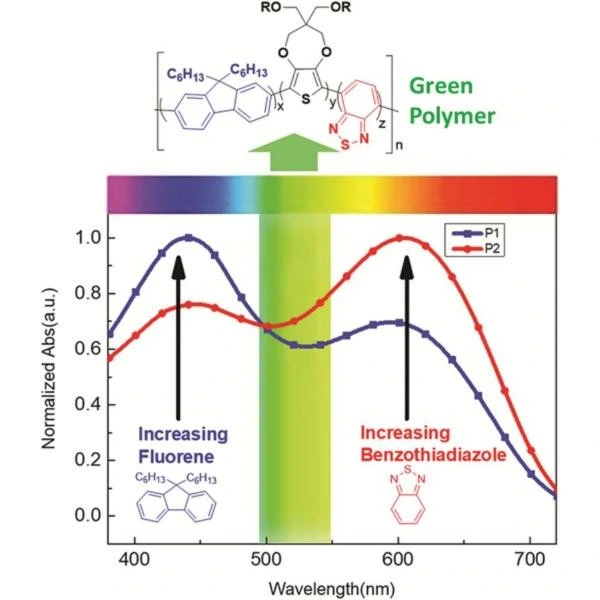
Direct arylation produces green electrochromic copolymers whose hue changes with monomer composition. Adjusting the relative absorption of shorter and longer visible wavelengths provides control over neutral-state color for potential window and display applications.
Xuyi Luo, Dung T. Tran, Hong Sun, Tianxiong Mi, Natalie M. Kadlubowski, Yan Zhao, Kejie Zhao, Jianguo Mei*
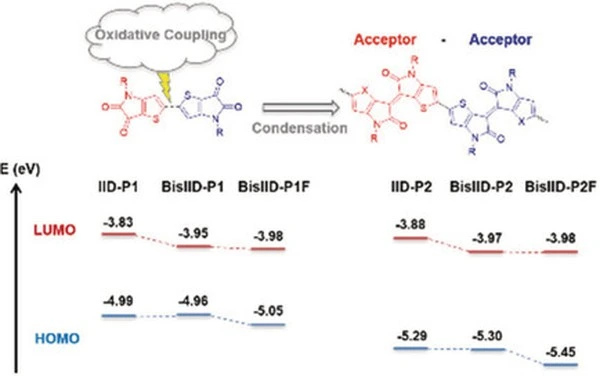
Oxidative coupling provides access to bis-isoindigo building blocks for conjugated polymers. Comparing their electronic properties shows how paired acceptor units can selectively tune frontier-orbital energies, complementing approaches based on additional donor units.
VIP and an invited article for the thematic issue of Organic Materials
Zhiming Liang, Yadong Zheng, Maryam Souri, Xuyi Luo, Alex M. Boehm, Ruipeng Li, Yan Zhang, Tairan Wang, Doo-Young Kim, Jianguo Mei, Seth R. Marder, Kenneth R. Graham
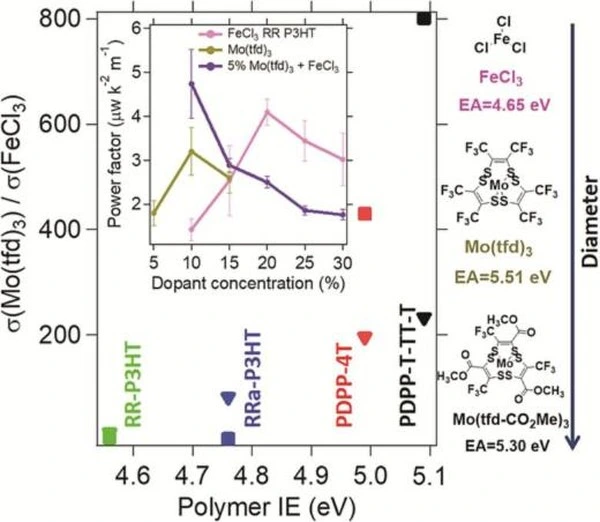
The available publisher-deposited description reports that dopant size and electron affinity influence polymer conductivity. Larger dopants with stronger electron affinity improve electrical performance at lower concentrations.
A transparent radical copolymer provides an ion-storage layer for electrochromic devices. Photocrosslinking reduces dissolution in electrolyte and improves stability, while the assembled devices retain their optical state under open-circuit conditions.
Ian Powers, John Andjaba, Xuyi Luo, Jianguo Mei, Christopher Uyeda
A dinuclear nickel catalyst converts aryl azides into azoarenes through coupling of nitrene-derived intermediates. Comparisons with single-metal catalysts reveal the importance of the nickel-nickel unit for this synthetic transformation.
Aristide Gumyusenge, Xikang Zhao, Yan Zhao, Jianguo Mei*
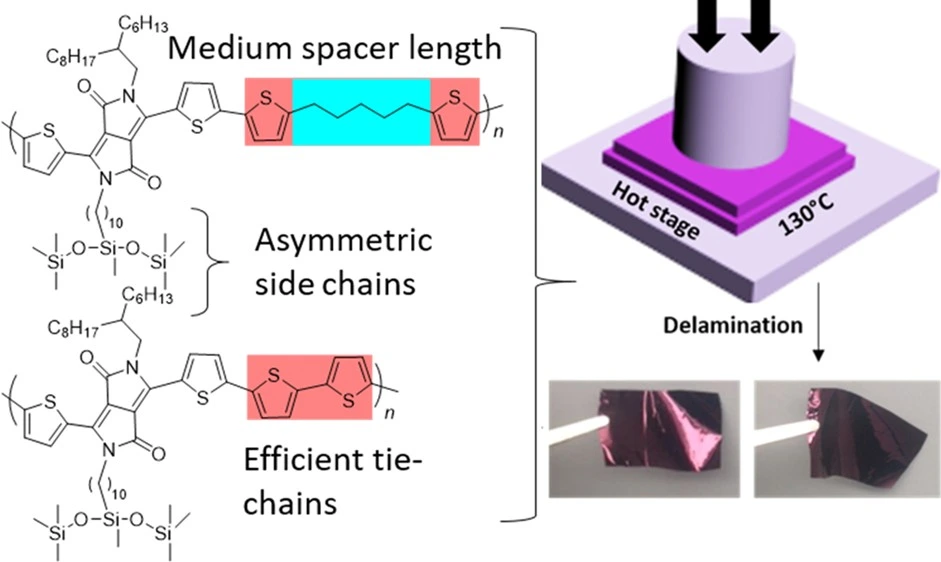
Complementary blends reduce the temperature required to melt-process polymer transistors to 130 °C. The resulting devices retain useful mobility and switching behavior, improving compatibility between solvent-free processing and practical fabrication conditions.
Guobiao Xue, Yan Zhao, Xikang Zhao, Hanying Li*, Jianguo Mei*
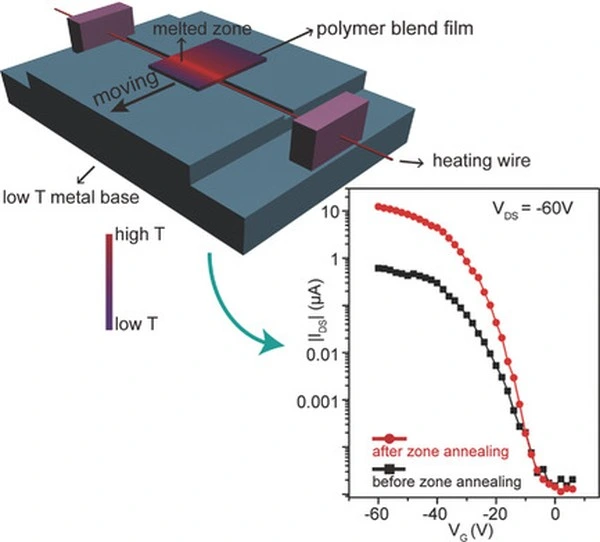
Zone annealing improves transport in polymer blends and can be combined with melt processing. The approach produces transistor films without solvent casting, offering a practical route toward cleaner manufacture of organic electronics.
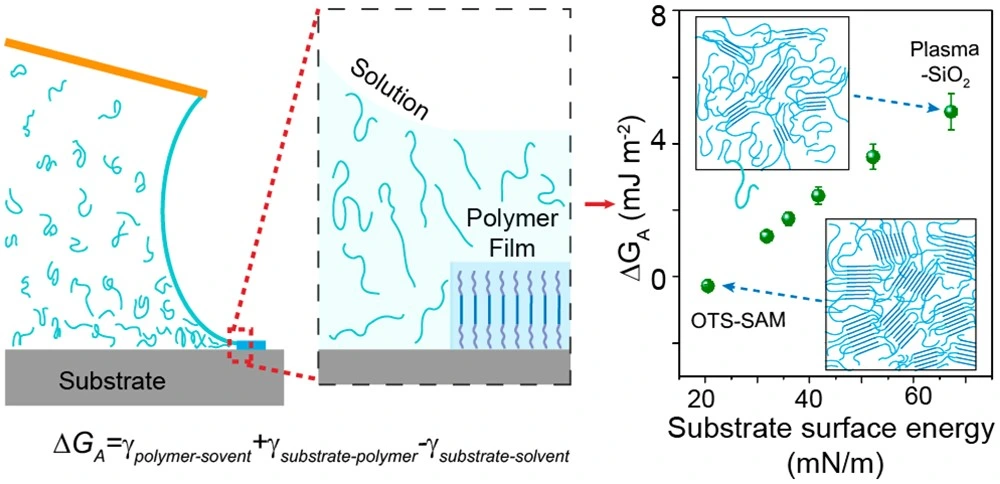
Substrate surface energy changes the crystallization of solution-coated polymer films. A predictive model reproduces the experimental trend, helping connect substrate choice to the resulting semiconductor morphology.
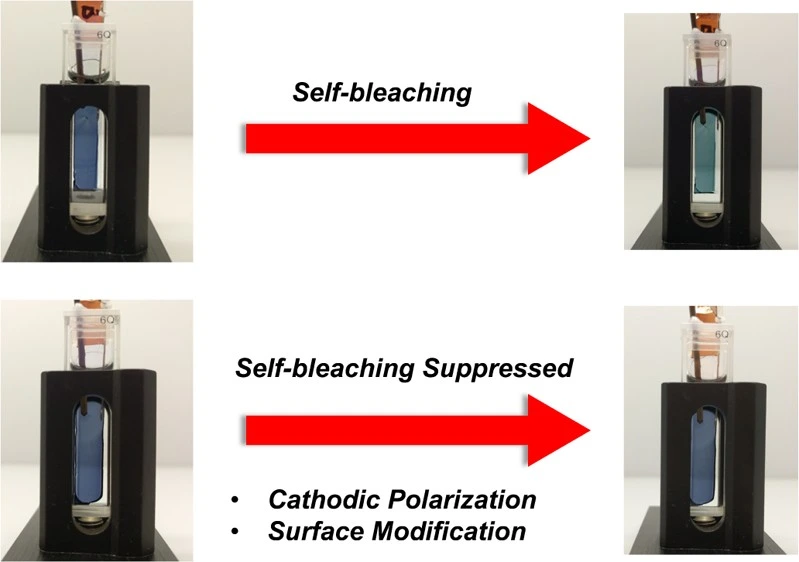
The study examines spontaneous bleaching in electrochromic polymer films and evaluates ways to suppress it. Treatments that reduce this loss of the colored state also extend cycling stability, improving the prospects for polymer smart windows.
Jiayingzi Wu, Liyan You, Lu Lan, Hyeon Jeong Lee, Saadia T. Chaudhry, Rui Li, Ji-Xin Cheng*, Jianguo Mei*
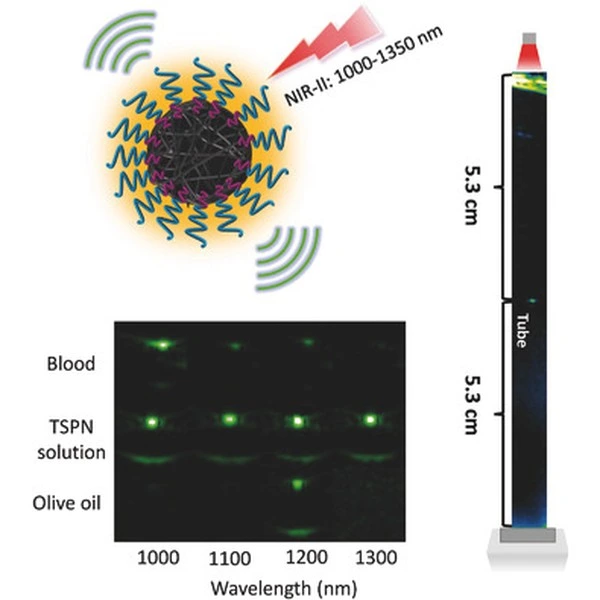
Thienoisoindigo nanoparticles absorb in the second near-infrared window and generate photoacoustic signals with reduced tissue background. Experiments demonstrate imaging beneath skin and within tumors, supporting deeper imaging with improved contrast.
Xikang Zhao, Guobiao Xue, Ge Qu, Vani Singhania, Yan Zhao, Kamal Butrouna, Aristide Gumyusenge, Ying Diao, Kenneth R. Graham, Hanying Li, Jianguo Mei*
Different matrix-polymer side chains change melting behavior, molecular interactions and charge transport in complementary blends. Side-chain compatibility between the matrix and tie-chain polymer is important for combining improved processability with high electrical performance.
Guobiao Xue, Xikang Zhao, Ge Qu, Tianbai Xu, Aristide Gumyusenge, Zhuorui Zhang, Yan Zhao, Ying Diao, Hanying Li*, Jianguo Mei*
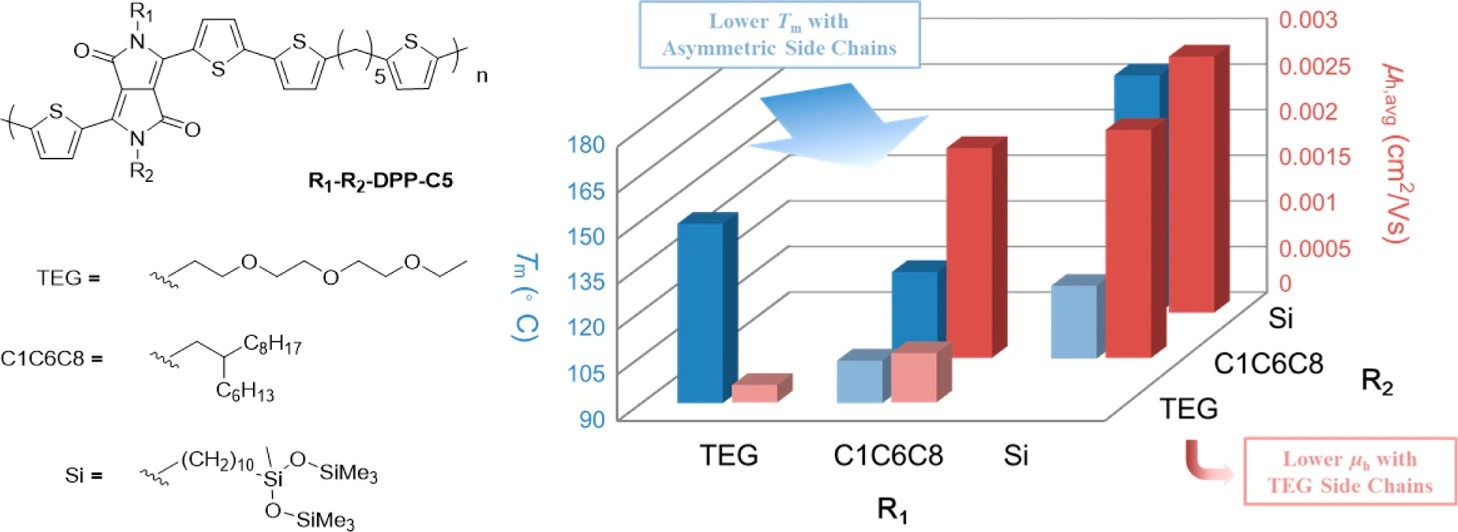
Breaking side-chain symmetry changes how polymer crystallites orient within a thin film. The resulting mixed orientations substantially improve transistor mobility compared with related symmetric polymers, illustrating a route for controlling transport through substituent design.
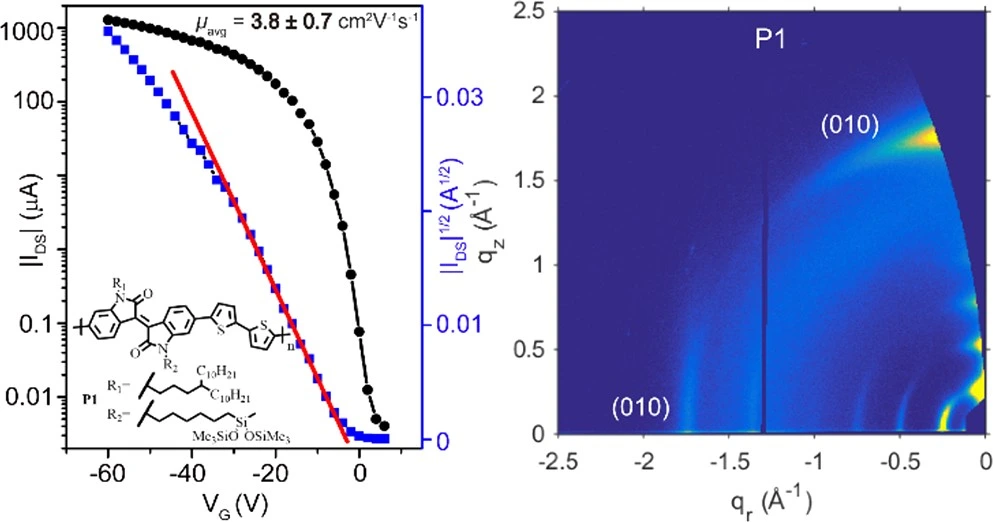
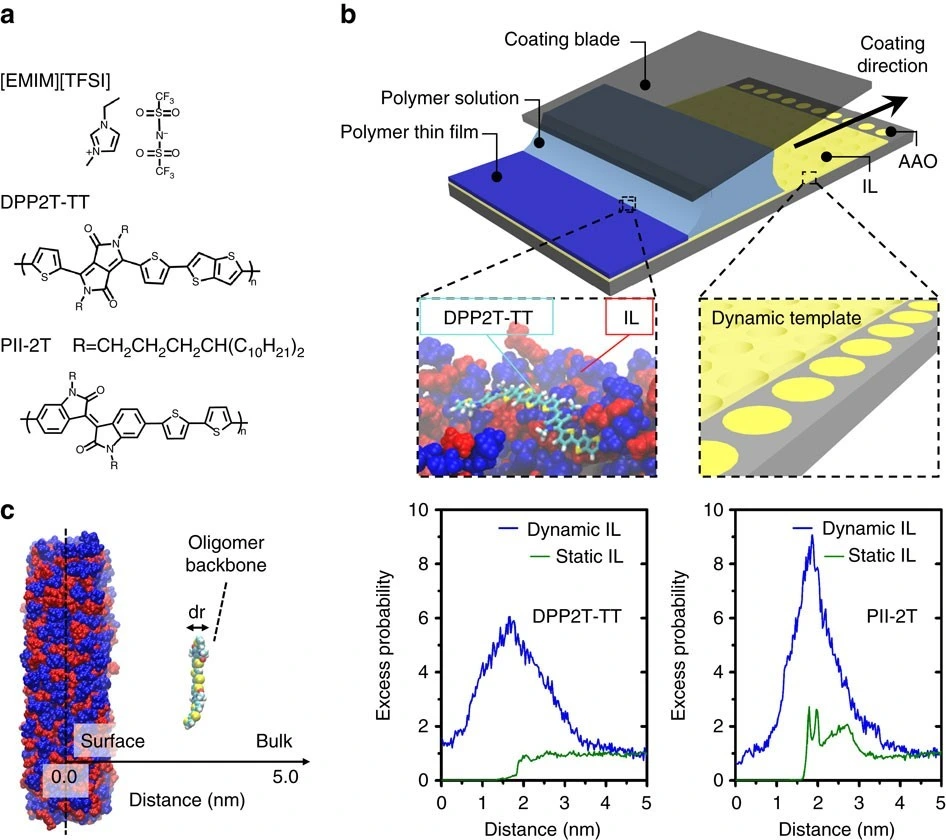
Solution processable semiconducting polymers have been under intense investigations due to their diverse applications from printed electronics to biomedical devices. However, controlling the macromolecular assembly across length scales during solution coating remains a key challenge, largely due to the disparity in timescales of polymer assembly and high-throughput printing/coating. Herein we propose the concept of dynamic templating to expedite polymer nucleation and the ensuing assembly process, inspired by biomineralization templates capable of surface reconfiguration. Molecular dynamic simulations reveal that surface reconfigurability is key to promoting template–polymer interactions, thereby lowering polymer nucleation barrier. Employing ionic-liquid-based dynamic template during meniscus-guided coating results in highly aligned, highly crystalline donor–acceptor polymer thin films over large area (>1 cm²) and promoted charge transport along both the polymer backbone and the π–π stacking direction in field-effect transistors. We further demonstrate that the charge transport anisotropy can be reversed by tuning the degree of polymer backbone alignment.
Ge Qu, Fengjiao Zhang, Erfan Mohammadi, Xikang Zhao, Joseph Strzalka, Jianguo Mei, Ying Diao*
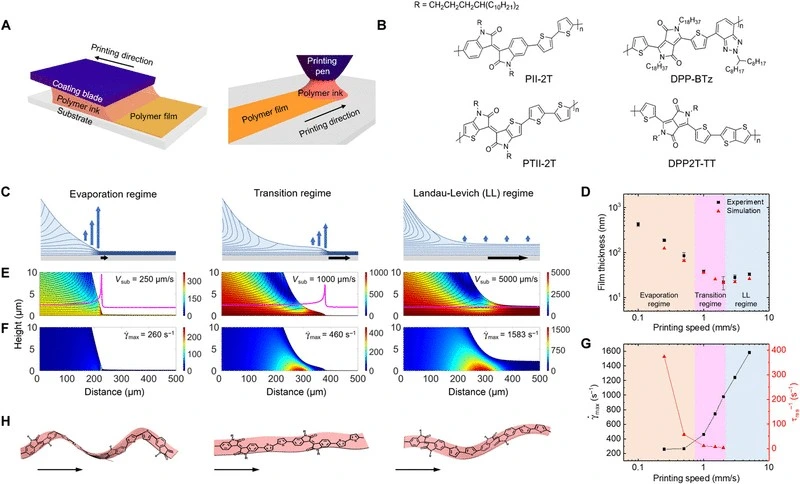
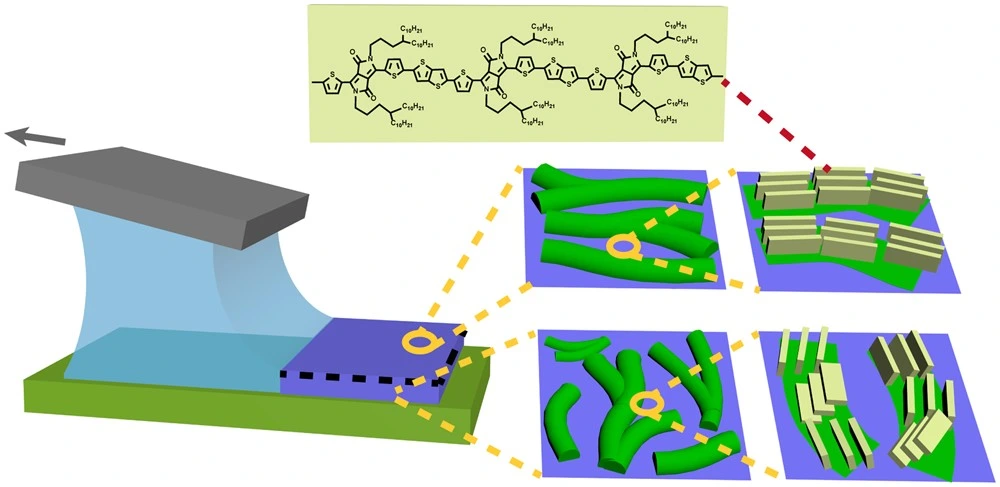
The study investigates how polymer domains align during meniscus-guided coating. It links distinct surface and bulk morphologies to evaporation, skin formation and flow near the meniscus, offering an explanation for improved directional transport.
Fengjiao Zhang, Ge Qu, Erfan Mohammadi, Jianguo Mei, Ying Diao*
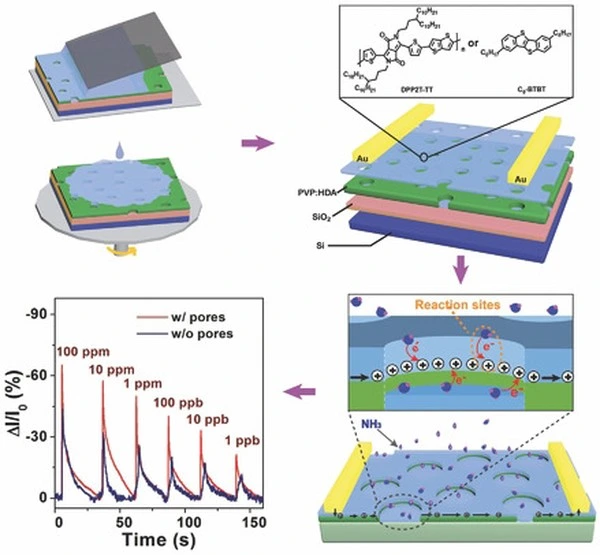
Nanoporous organic semiconductor films increase the accessible surface area for chemical sensing. Transistors made from these films provide rapid detection at very low concentrations, including a flexible sensor demonstration for ammonia in breath.
Liyan You, Saadia T Chaudhry, Yan Zhao, Junchen Liu, Xikang Zhao, Jianguo Mei*
The publisher-deposited description places this work in direct arylation polymerization for donor-acceptor conjugated materials. This approach is presented as an alternative polymerization route with a reduced environmental burden.
Yan Zhao, Xikang Zhao, Michael Roders, Aristide Gumyusenge, Alexander L. Ayzner, Jianguo Mei*
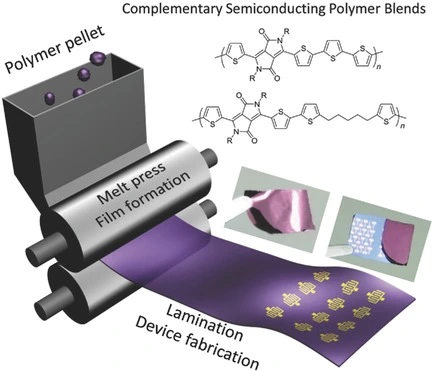
Complementary polymer blends enable organic transistors to be manufactured directly from a melt. The demonstrated devices combine appreciable carrier mobility with strong switching contrast, supporting solvent-free fabrication of polymer electronics.
P. Veeraraghavan Ramachandran*, Ameya S. Kulkarni, Yan Zhao, Jianguo Mei
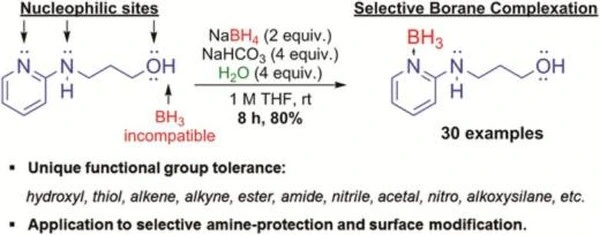
The reported preparation of amine-boranes uses inexpensive reagents and can be performed in an open flask. It expands access to these compounds under comparatively simple handling conditions.
Suchol Savagatrup, Xikang Zhao, Esther Chan, Jianguo Mei*, Darren J. Lipomi*
Flexible interruptions in conjugated backbones do not translate directly into more deformable solid films. The work relates mechanical and photovoltaic changes to polymer packing, showing why molecular flexibility alone is insufficient to predict device-relevant mechanical behavior.
Sangsik Park, Moo Hyung Lee, Kwang Seok Ahn, Hyun Ho Choi, Jie Xue, Jianguo Mei, Kilwon Cho, Zhenan Bao, Dong Ryeol Lee*, Moon Sung Kang*, Do Hwan Kim*
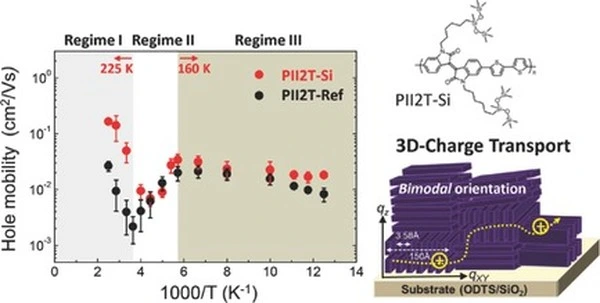
Temperature-dependent electrical measurements were combined with structural characterization of two related polymer semiconductors. The results show that effective transport requires attention to three-dimensional pathways and mixed orientations, rather than exclusively favoring edge-on packing.
Xikang Zhao, Yan Zhao, Ge Qu, Kamal Butrouna, Ying Diao, Kenneth Graham, Jianguo Mei*
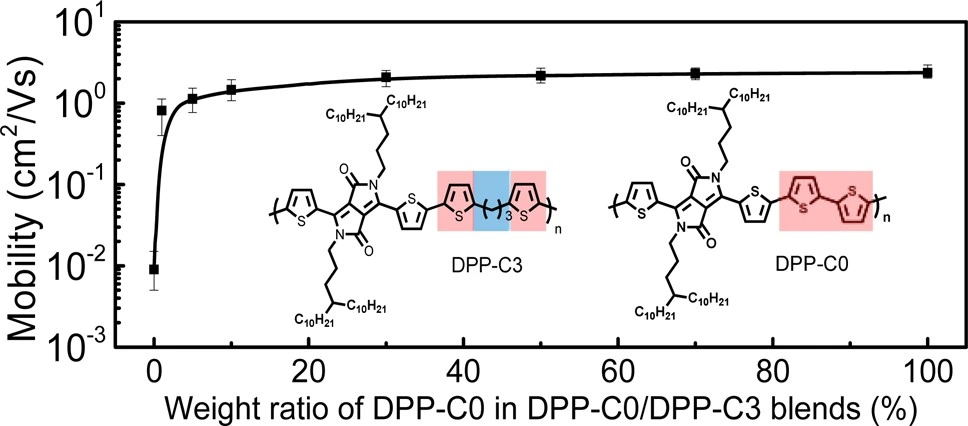
Changing flexible spacer length modifies polymer melting behavior, morphology and carrier mobility, with pronounced odd-even effects. Adding a small amount of fully conjugated tie-chain polymer substantially improves transport in complementary blends and removes the mobility alternation.
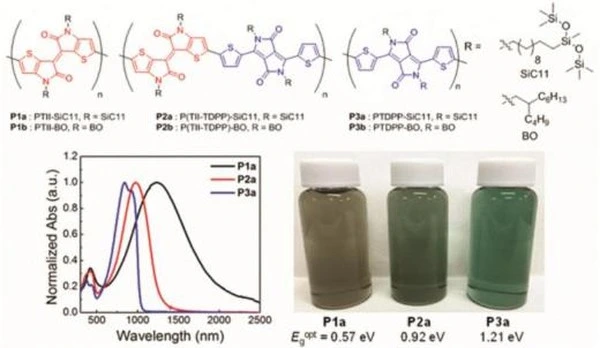
The work synthesizes six polymers combining thienoisoindigo and diketopyrrolopyrrole units with different solubilizing side chains. The available publisher-deposited description identifies their structures as the basis for comparing electronic and assembly behavior.
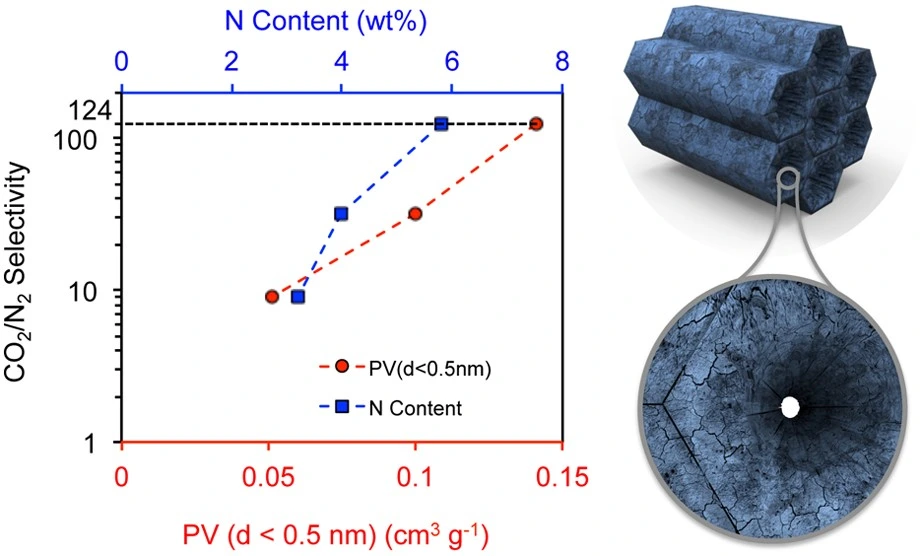
A designed polypyrrole precursor produces nitrogen-containing porous carbon for selective carbon-dioxide capture. Low-temperature processing preserves nitrogen functionality and develops very small pores, providing structural features that strengthen carbon-dioxide adsorption.
Chao Wang, Wen-Ya Lee, Desheng Kong, Raphael Pfattner, Guillaume Schweicher, Reina Nakajima, Chien Lu, Jianguo Mei, Tae Hoon Lee, Hung-Chin Wu, Jeffery Lopez, Ying Diao, Xiaodan Gu, Scott Himmelberger, Weijun Niu, James R. Matthews, Mingqian He, Alberto Salleo, Yoshio Nishi, Zhenan Bao
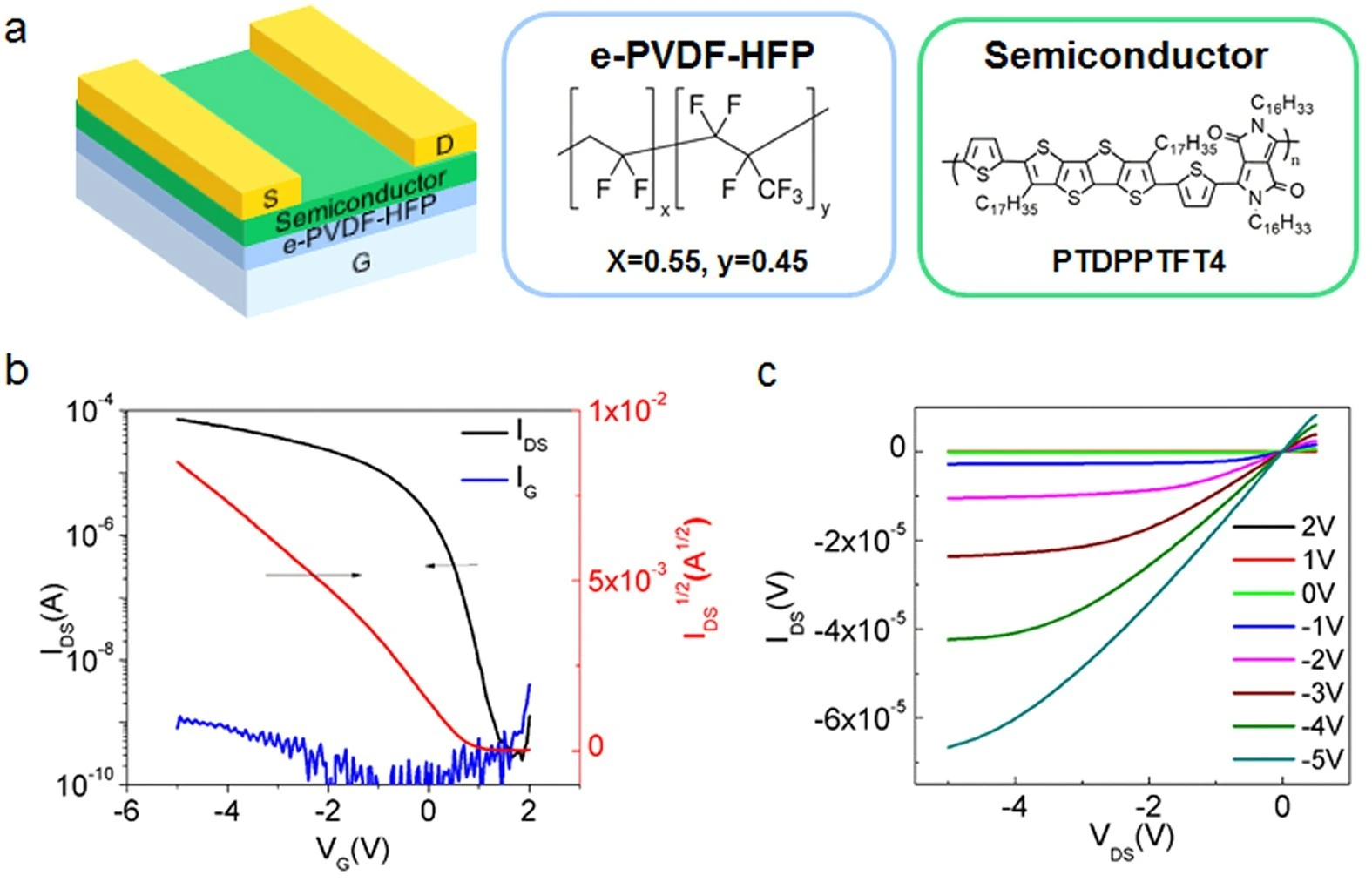
Both high gain and transconductance at low operating voltages are essential for practical applications of organic field-effect transistors (OFETs). Here, we describe the significance of the double-layer capacitance effect in polar rubbery dielectrics, even when present in a very low ion concentration and conductivity. We observed that this effect can greatly enhance the OFET transconductance when driven at low voltages. Specifically, when the polar elastomer poly(vinylidene fluoride-co-hexafluoropropylene) (e-PVDF-HFP) was used as the dielectric layer, despite a thickness of several micrometers, we obtained a transconductance per channel width 30 times higher than that measured for the same organic semiconductors fabricated on a semicrystalline PVDF-HFP with a similar thickness. After a series of detailed experimental investigations, we attribute the above observation to the double-layer capacitance effect, even though the ionic conductivity is as low as 10⁻¹⁰ S/cm. Different from previously reported OFETs with double-layer capacitance effects, our devices showed unprecedented high bias-stress stability in air and even in water.
Yan Zhao, Xikang Zhao, Michael Roders, Ge Qu, Ying Diao, Alexander L. Ayzner, Jianguo Mei*
Blending structurally complementary semiconducting polymers creates connections between crystalline domains. Morphological and electrical measurements show that these connecting chains improve transport while preserving useful solution-processing behavior.
Alexander L. Ayzner, Jianguo Mei, Anthony Appleton, Dean DeLongchamp, Alexandre Nardes, Stephanie Benight, Nikos Kopidakis, Michael F. Toney, Zhenan Bao
The study examines whether crystallite orientation controls exciton diffusion in semicrystalline donor-acceptor polymers. Average diffusion lengths show little dependence on the orientation distribution, indicating that texture alone does not determine exciton transport.
Ho-Hsiu Chou, Amanda Nguyen, Alex Chortos, John To, Chien Lu, Jianguo Mei, Tadanori Kurosawa, Won-Gyu Bae, Jeffrey Tok, Zhenan Bao
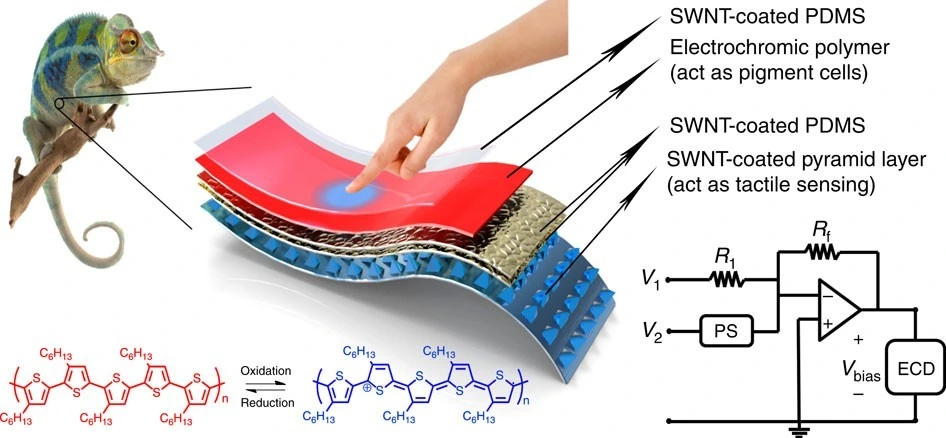
Some animals, such as the chameleon and cephalopod, have the remarkable capability to change their skin colour. This unique characteristic has long inspired scientists to develop materials and devices to mimic such a function. However, it requires the complex integration of stretchability, colour-changing and tactile sensing. Here we show an all-solution processed chameleon-inspired stretchable electronic skin (e-skin), in which the e-skin colour can easily be controlled through varying the applied pressure along with the applied pressure duration. As such, the e-skin's colour change can also be in turn utilized to distinguish the pressure applied. The integration of the stretchable, highly tunable resistive pressure sensor and the fully stretchable organic electrochromic device enables the demonstration of a stretchable electrochromically active e-skin with tactile-sensing control. This system will have wide range applications such as interactive wearable devices, artificial prosthetics and smart robots.
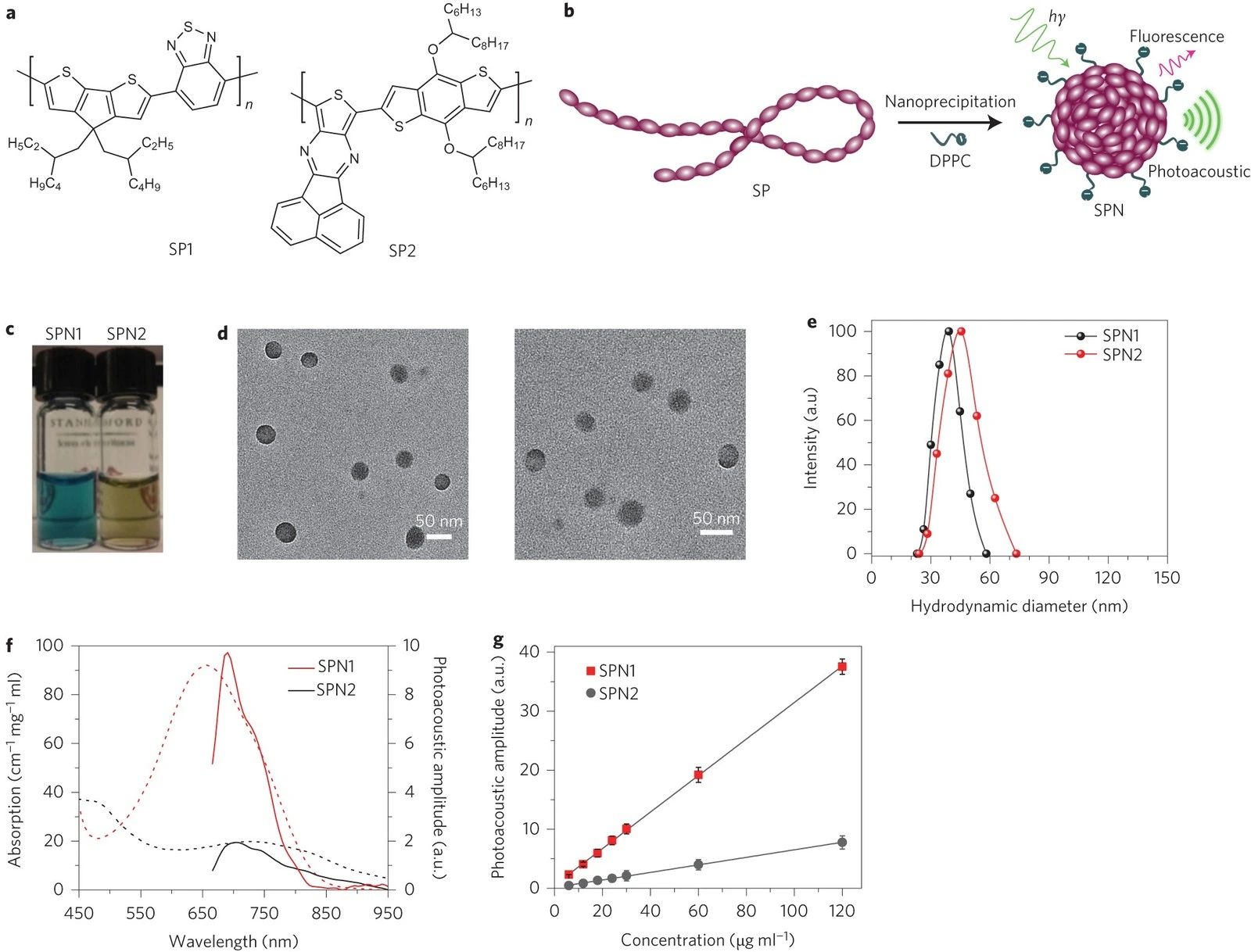
Kanyi Pu, Jianguo Mei, Jesse V. Jokerst, Guosong Hong, Alexander L. Antaris, Niladri Chattopadhyay, Adam J. Shuhendler, Tadanori Kurosawa, Yan Zhou, Hongjie Dai, Sanjiv S. Gambhir, Zhenan Bao, Jianghong Rao
Diketopyrrolopyrrole-based nanoparticles provide stable, bright photoacoustic contrast. In a tumor xenograft model, systemic administration produced a substantially stronger imaging signal, demonstrating their potential as molecular imaging agents.
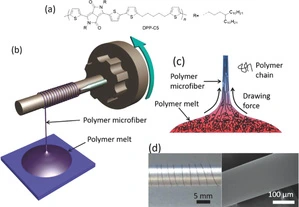
Adding flexible interruptions to a conjugated backbone improves processability while changing charge transport. Some compositions can be processed directly from the melt, avoiding organic solvents and achieving higher mobility than their solution-processed counterparts.
Jianguo Mei, Hung-Chin Wu, Ying Diao, Anthony Appleton, Hong Wang, Yan Zhou, Wen-Ya Lee, Tadanori Kurosawa, Zhenan Bao
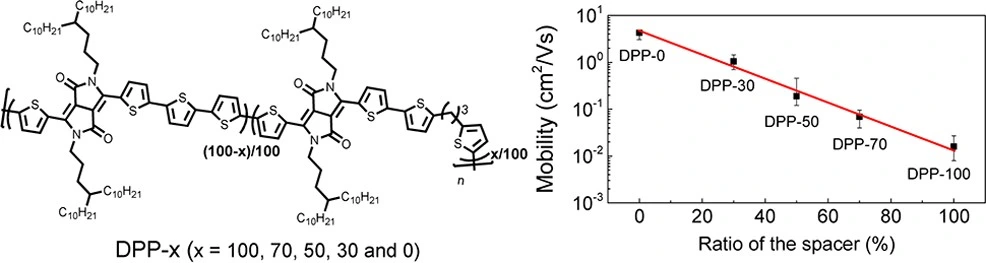
The study systematically changes the spacer between an isoindigo backbone and its siloxane side-chain branch point. Beyond short spacers, film organization and crystalline-domain structure become more influential for transport than further reductions in stacking distance.
Hung-Chin Wu, Stephanie J Benight, Alex Chortos, Wen-Ya Lee, Jianguo Mei, John WF To, Chien Lu, Mingqian He, Jeffery B-H Tok, Wen-Chang Chen, Zhenan Bao
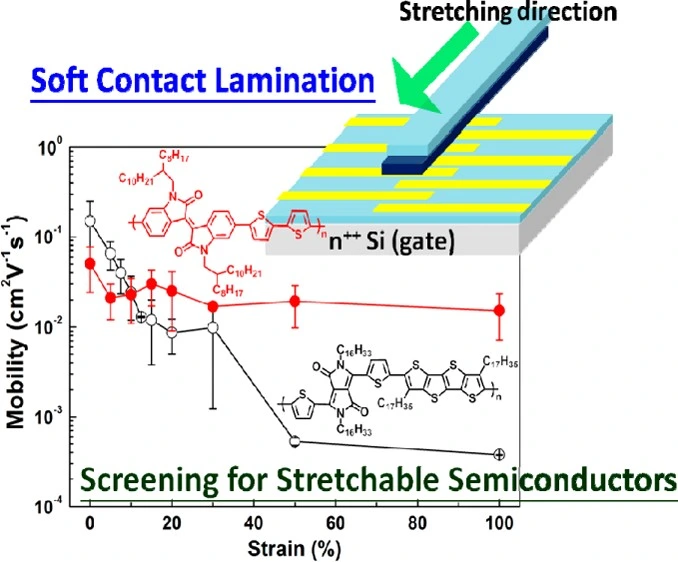
A soft-contact lamination method enables rapid electrical evaluation of strained polymer semiconductors. Measurements of transport and switching behavior reveal the strain limits of candidate materials for stretchable electronic devices.
Yan Zhou, Tadanori Kurosawa, Wei Ma, Yikun Guo, Lei Fang, Koen Vandewal, Ying Diao, Chenggong Wang, Qifan Yan, Julia Reinspach, Jianguo Mei, Anthony Lucas Appleton, Ghada I. Koleilat, Yongli Gao, Stefan C. B. Mannsfeld, Alberto Salleo, Harald Ade, Dahui Zhao, Zhenan Bao
Attaching polystyrene side chains to a donor polymer reduces phase-separation length scales in all-polymer solar cells. Structural measurements connect these morphological changes with improved photocurrent and higher conversion efficiency.
Do Hwan Kim, Jianguo Mei, Alexander L Ayzner, Kristin Schmidt, Anthony L Appleton, Michael F Toney, Zhenan Bao
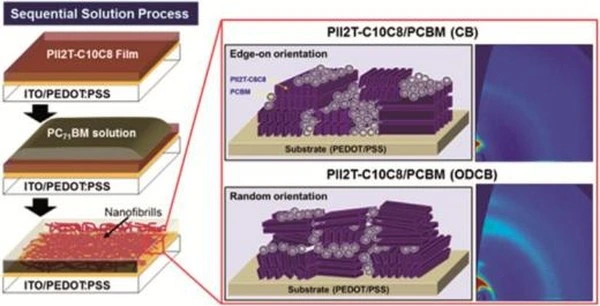
Sequential deposition of a polymer and fullerene uses solvent selection to control swelling and intermixing. The resulting changes in film structure correlate with photocurrent, demonstrating a route to improve photovoltaic performance through processing conditions.
Kanyi Pu*, Adam J. Shuhendler*, Jesse V. Jokerst, Jianguo Mei, Sanjiv S. Gambhir, Zhenan Bao, Jianghong Rao
Semiconducting polymer nanoparticles act as near-infrared photoacoustic contrast agents with strong resistance to photodegradation and oxidation. Their tunable optical behavior enables imaging of reactive oxygen species in living mice.
Oren Knopfmacher, Mallory L Hammock, Anthony L. Appleton, Gregor Schwartz, Jianguo Mei, Jian Pei, Zhenan Bao
An isoindigo-based polymer enables organic transistor sensors to function in demanding aqueous environments. The devices selectively detect heavy-metal ions in seawater, extending the potential of printable organic electronics for environmental monitoring.
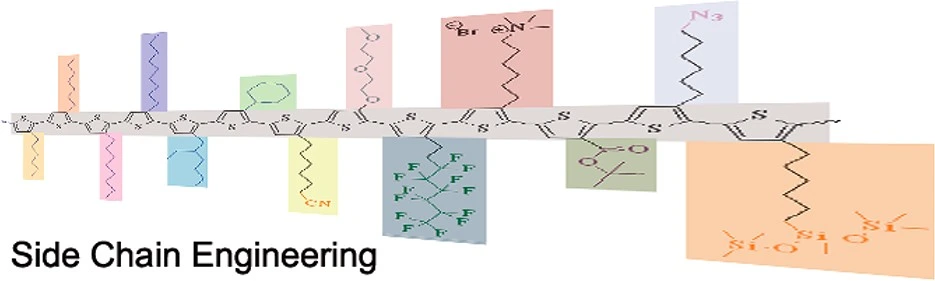
This perspective examines polymer side chains as active design elements rather than only solubilizing groups. It discusses how substituent choices influence structure and electronic properties, offering a framework for developing improved conjugated polymers.
Invited Perspective for the 25th Anniversary of Chemistry of Materials
Romain Stalder, Jianguo Mei, Kenneth R. Graham, Leandro A. Estrada, John R. Reynolds
This perspective examines isoindigo as an electron-accepting unit for molecular and polymeric electronic materials. It relates changes in backbone and substituent structure to optical and charge-transport behavior, identifying opportunities for further semiconductor design.
Invited Perspective for the 25th Anniversary of Chemistry of Materials, one of most read articles in Dec, 2013
Jianguo Mei, Ying Diao, Anthony L Appleton, Lei Fang, Zhenan Bao
This perspective traces major advances in organic transistor materials and processing. It argues for coordinated molecular design and device engineering, while identifying the remaining challenges in translating high laboratory mobility into useful applications.
Invited Perspective, one of the most accessed papers in 2013
Chao Wang, Wen-Ya Lee, Reina Nakajima, Jianguo Mei, Do-Hwan Kim, Zhenan Bao
A hydroxyl-free polymer dielectric is crosslinked through thiol-ene chemistry at a temperature compatible with common plastic substrates. Transistors using the material combine low operating voltage with improved stability and limited electrical hysteresis.
Gregor Schwartz*, Benjamin C-K Tee*, Jianguo Mei, Anthony L Appleton, Do Hwan Kim, Huiliang Wang, Zhenan Bao
A flexible transistor combines a microstructured elastomer dielectric with a high-mobility polymer to amplify small pressure changes. The demonstrated sensor records arterial pulse waveforms, supporting potential use in wearable monitoring and electronic skin.
Do Hwan Kim, Alexander L Ayzner, Anthony L Appleton, Kristin Schmidt, Jianguo Mei, Michael F Toney, Zhenan Bao
The work compares fullerene blends made with conjugated polymers carrying different side chains. Solvent-additive concentration changes nanoscale morphology and molecular packing, explaining why improved transistor transport does not automatically translate into better photovoltaic performance.
Huiliang Wang, Jianguo Mei, Peng Liu, Kristin Schmidt, Gonzalo Jiménez-Osés, Sílvia Osuna, Lei Fang, Christopher J Tassone, Arjan Pieter Zoombelt, Anatoliy N Sokolov, Kendall N. Houk, Michael F Toney, Zhenan Bao
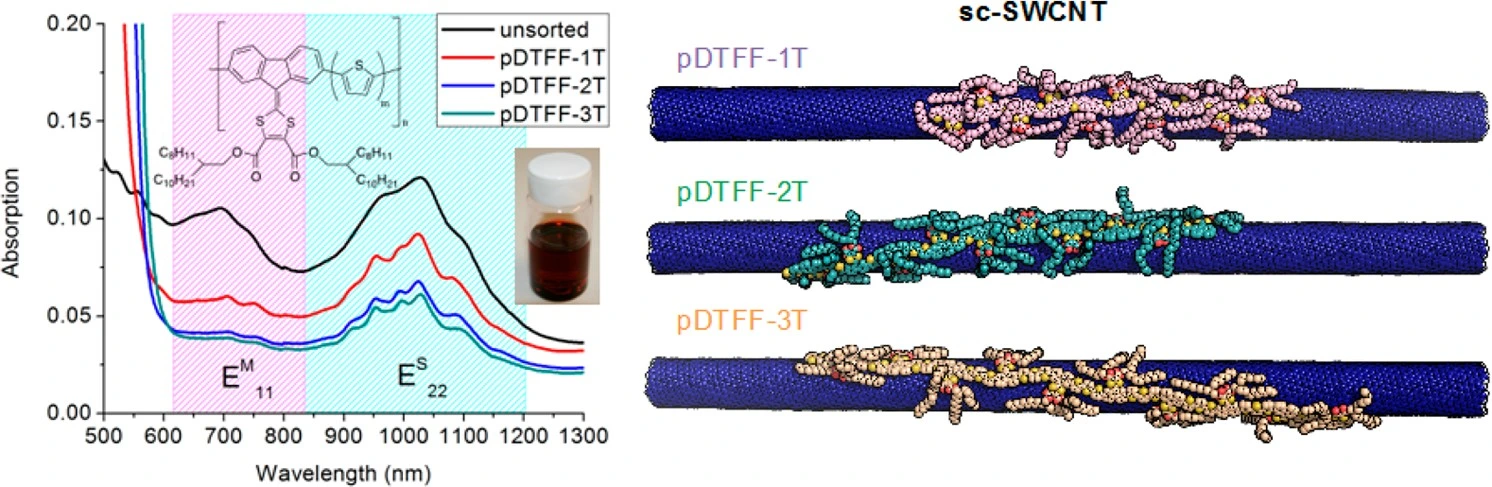
Dithiafulvalene-thiophene copolymers selectively disperse semiconducting carbon nanotubes using a scalable solution process. Experiments and molecular simulations explain how side chains and backbone flexibility affect selection, with sorted nanotubes subsequently demonstrated in transistors.
Ying Jiang, Jianguo Mei, Alexander L Ayzner, Michael F Toney, Zhenan Bao
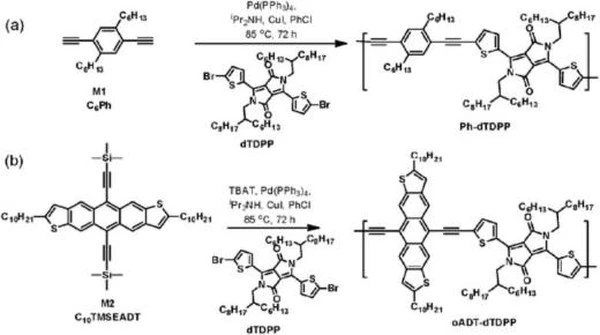
Extending conjugation through selected positions of anthradithiophene produces a polymer with improved ordering in thin films. The material forms lamellar structures and shows markedly higher transistor mobility than earlier polymers incorporating related acene units.
Hanying Li*, Jianguo Mei*, Alexander L Ayzner, Michael F Toney, Jeffrey B.-H. Tok, Zhenan Bao
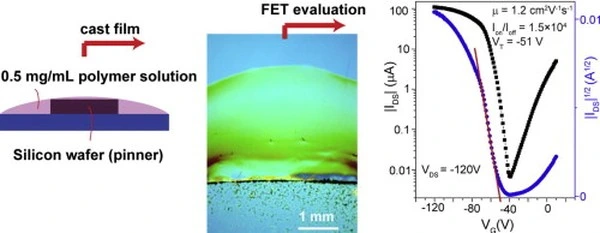
Droplet pinning deposits semiconductor films from much more dilute polymer solutions than conventional spin coating. Transistor measurements on the resulting films retain comparable transport performance, reducing the material needed to evaluate newly synthesized semiconductors.
Darren J. Lipomi, Halbert Chong, Michael Vosgueritchian, Jianguo Mei, Zhenan Bao
The study applies tensile strain to solar cells made with two different conjugated polymers and fullerene blends. Stretchable substrates and electrodes allow comparison of photovoltaic behavior during deformation, informing the design of mechanically robust organic devices.
Kenneth R Graham, Patrick M Wieruszewski, Romain Stalder, Michael J Hartel, Jianguo Mei, Franky So, John R. Reynolds
The study evaluates solvent additives using solubility parameters to guide changes in molecular solar-cell morphology. Combining additives with complementary effects on current and voltage improved efficiency relative to devices prepared without the combined treatment.
Jianguo Mei*, Do Hwan Kim*, Alexander L Ayzner, Michael F. Toney, Zhenan Bao
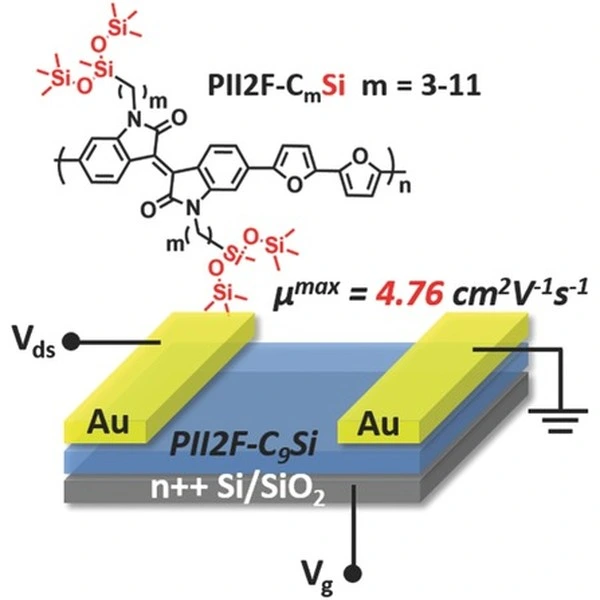
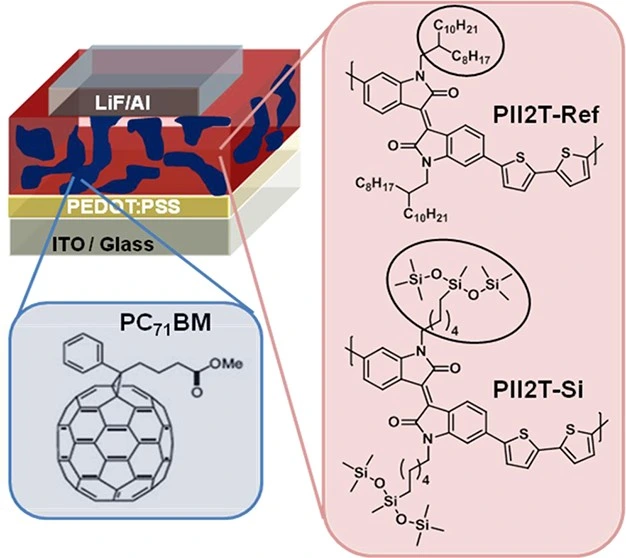
Replacing branched alkyl substituents with siloxane-terminated side chains brings polymer backbones closer together. In the tested isoindigo semiconductor, tighter packing accompanies substantially improved hole transport in solution-processed transistors.
Stefan Ellinger, Kenneth R Graham, Pengjie Shi, Richard T Farley, Timothy T Steckler, Robert N Brookins, Prasad Taranekar, Jianguo Mei, Lazaro A Padilha, Trenton R Ensley, Honghua Hu, Scott Webster, David J Hagan, Eric W Van Stryland, Kirk S Schanze, John R. Reynolds
Donor-acceptor oligomers were designed for nonlinear light absorption and near-infrared emission. Spectroscopic and electrochemical comparisons connect their molecular structures with optical gaps, and host-guest light-emitting devices demonstrate emission from the oligomers.
Romain Stalder, Jianguo Mei, Jegadesan Subbiah, Caroline Grand, Leandro A Estrada, Franky So, John R. Reynolds
Polymers composed of electron-deficient isoindigo units were prepared and characterized as n-type materials. Reduction generates stable negative carriers and changes film transparency; blends with a donor polymer demonstrate an initial all-polymer solar-cell application.
Kenneth R. Graham, Jianguo Mei, Romain Stalder, Jae Won Shim, Hyeunseok Cheun, Fred Steffy, Franky So, Bernard Kippelen, John R. Reynolds
Adding a small amount of PDMS changes the morphology of molecular solar-cell films and improves both efficiency and reproducibility. The work also identifies syringe lubricant as a possible unintended source of this influential additive.
Jianguo Mei, Kenneth R Graham, Romain Stalder, Shree Prakash Tiwari, Hyeunseok Cheun, Jaewon Shim, Masafumi Yoshio, Colin Nuckolls, Bernard Kippelen, Ronald K Castellano, John R Reynolds
An amphiphilic oligothiophene containing diketopyrrolopyrrole organizes itself in solution, solid material and surface films. Its self-assembled structures were evaluated as active semiconductors in transistor and solar-cell devices.
Pengjie Shi, Chad M Amb, Eric P Knott, Emily J Thompson, David Y Liu, Jianguo Mei, Aubrey L Dyer, John R Reynolds
Donor-acceptor copolymers were designed to absorb across the visible spectrum in their neutral state and become transparent after oxidation. The study demonstrates reversible black-to-clear switching in films and a window-style device.
Jianguo Mei, Kenneth R Graham, Romain Stalder, John R Reynolds
Isoindigo was incorporated into oligothiophenes to create light-absorbing donors for molecular solar cells. Their absorption and energy levels support blending with a fullerene acceptor; the resulting devices reached a conversion efficiency of 1.76%.
Jianguo Mei, Nathan C Heston, Svetlana V Vasilyeva, John R Reynolds
A sequence of coupling reactions produces a low-bandgap benzothiadiazole-thiophene polymer without structural defects in its vinylene linkages. Solar-cell performance was limited by blend morphology and phase separation, linking synthetic control to practical device processing.
Jianguo Mei, Katsu Ogawa, Young-Gi Kim, Nathan C Heston, Daniel J Arenas, Zahra Nasrollahi, Tracy D McCarley, David B Tanner, John R Reynolds, Kirk S Schanze
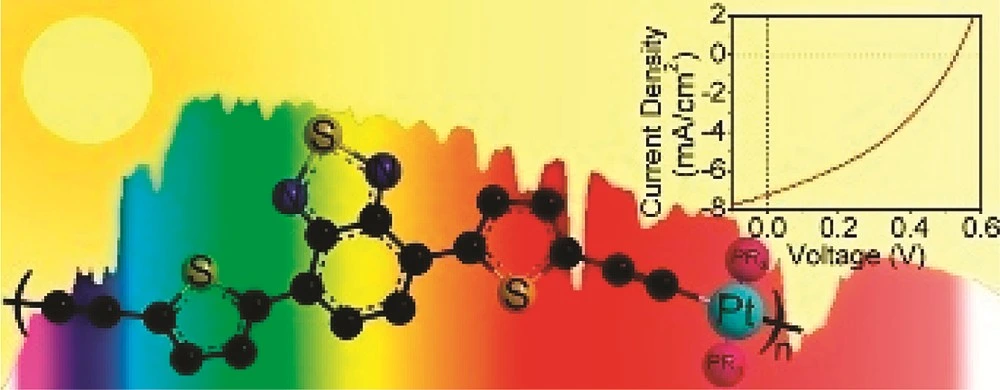
Platinum acetylide polymers containing benzothiadiazole acceptors were compared with corresponding small oligomers. Stronger electron-donating groups extend light absorption, while photovoltaic measurements on fullerene blends give efficiencies of approximately 1.1 to 1.4%.
Nicolas Marion, Oscar Navarro, Jianguo Mei, Edwin D. Stevens, Natalie M Scott, Steven P Nolan
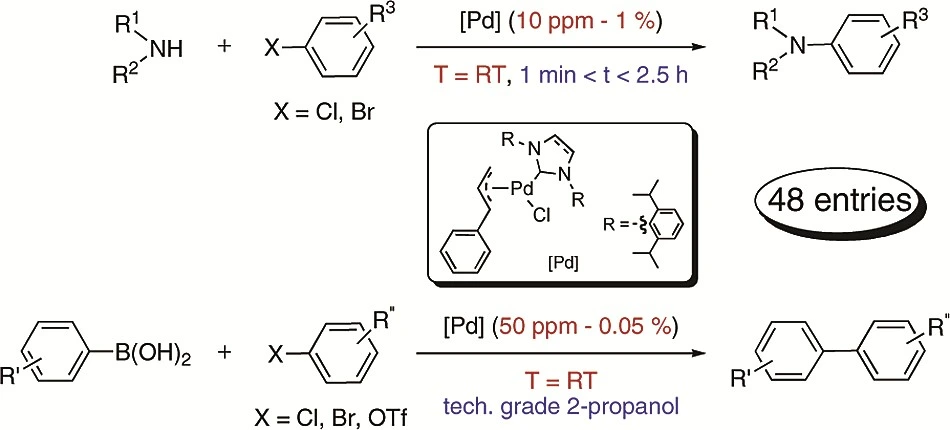
Changing the allyl substituent in palladium-carbene precatalysts makes activation easier and improves room-temperature coupling. The catalysts accommodate a broad range of amines and boronic acids, including sterically demanding partners, at low catalyst loadings.
Oscar Navarro, Nicolas N Marion, Jianguo Mei, Steven P Nolan
Terminally substituted palladium-carbene catalysts enable rapid coupling of heteroaromatic halides at room temperature. The reported reactions include difficult aryl chlorides and operate with very small catalyst amounts, reaching 10 ppm for amination and 50 ppm for Suzuki-Miyaura coupling.
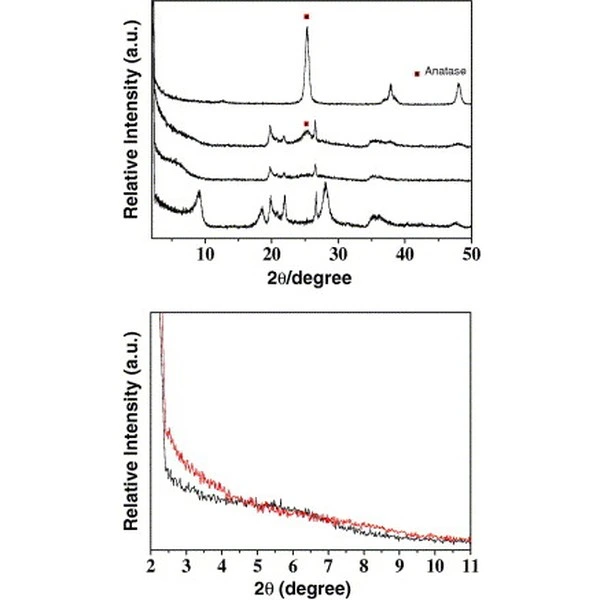
An iron-exchanged pillared-clay catalyst removes phenol during wet peroxide oxidation under mild conditions. Microwave irradiation shortens the treatment time, while the study reports strong pollutant removal without obvious release of iron from the catalyst.