Organic Synthesis is a key element in our research. We explore new synthetic approaches to prepare new organic materials including conjugated small molecules and polymers, new polymerisation methods and polymer processing. The performance of n-PBDF, our n-doped transparent organic conductor (n-TOC), rivals indium-tin-oxide (ITO), commonly used in phone screens, displays, and solar cells. In other words, n-PBDF can be inside your phones in the future.
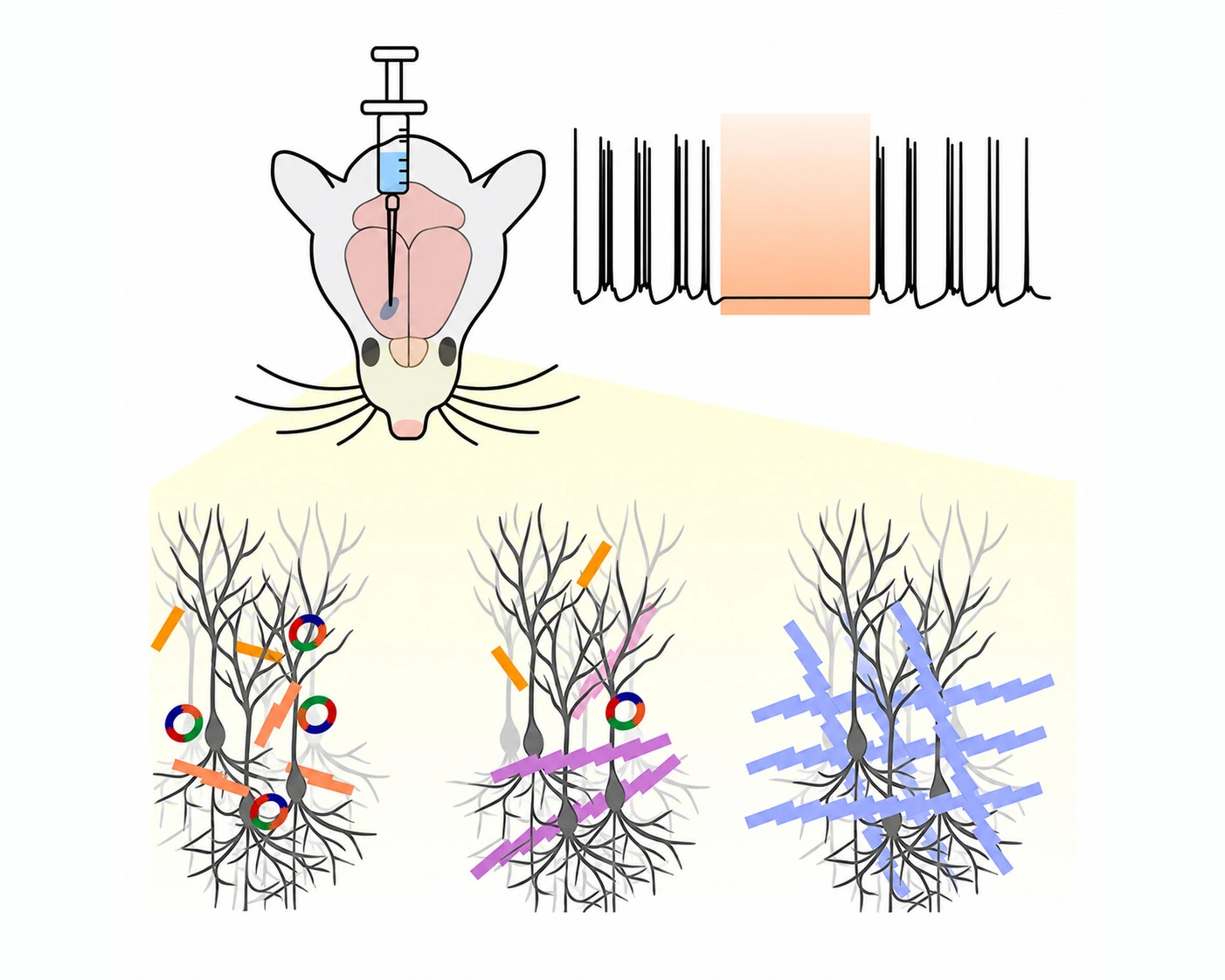
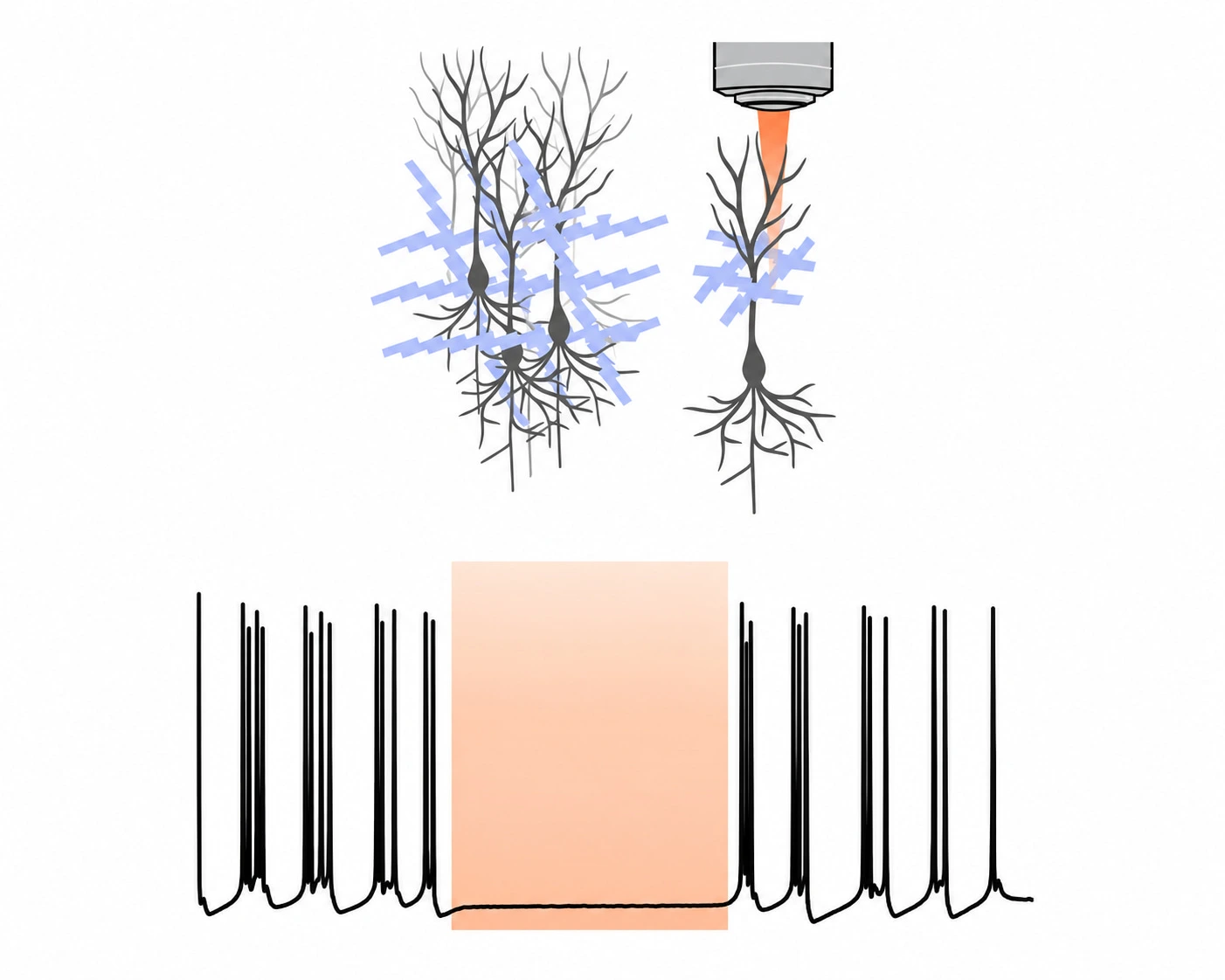
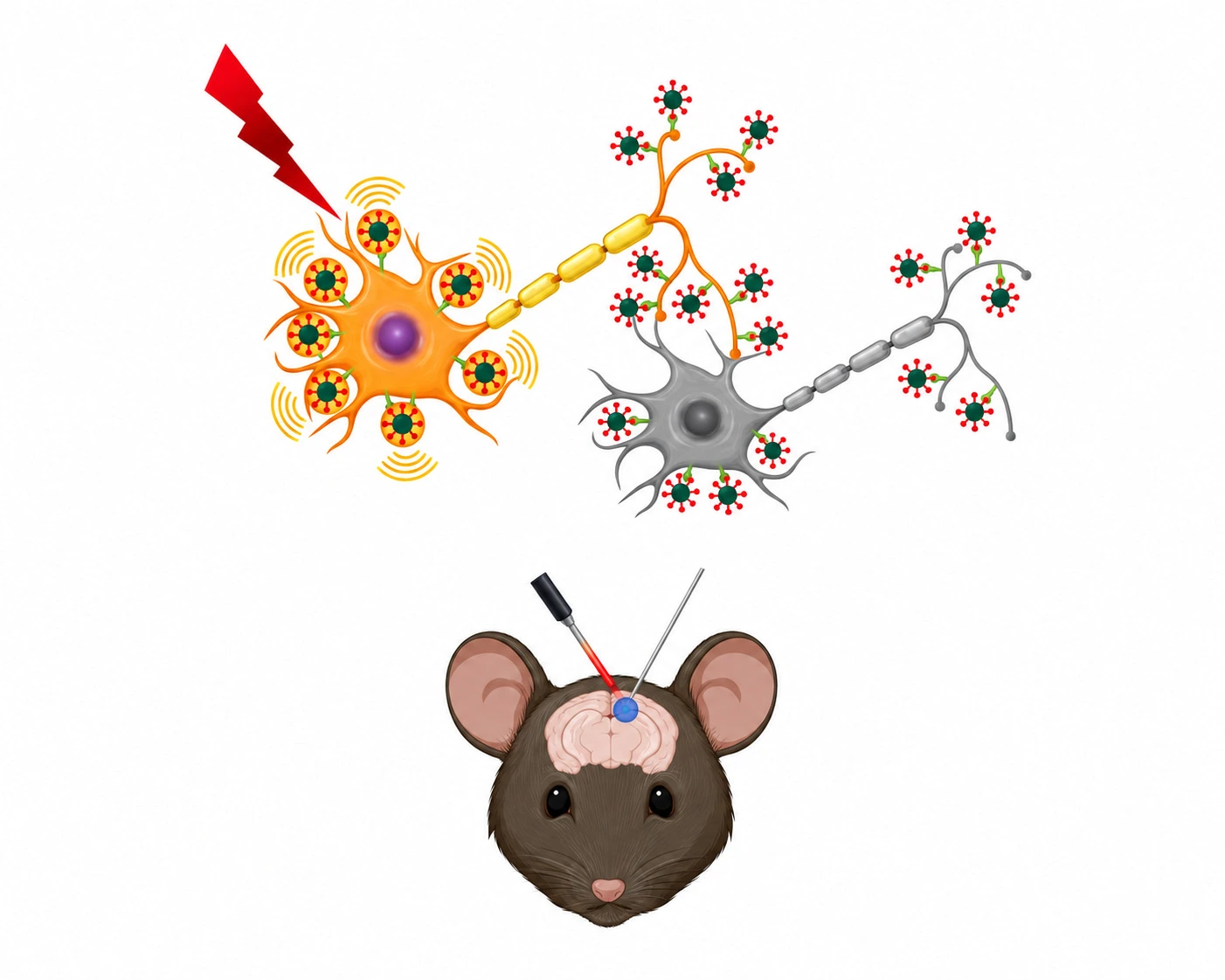
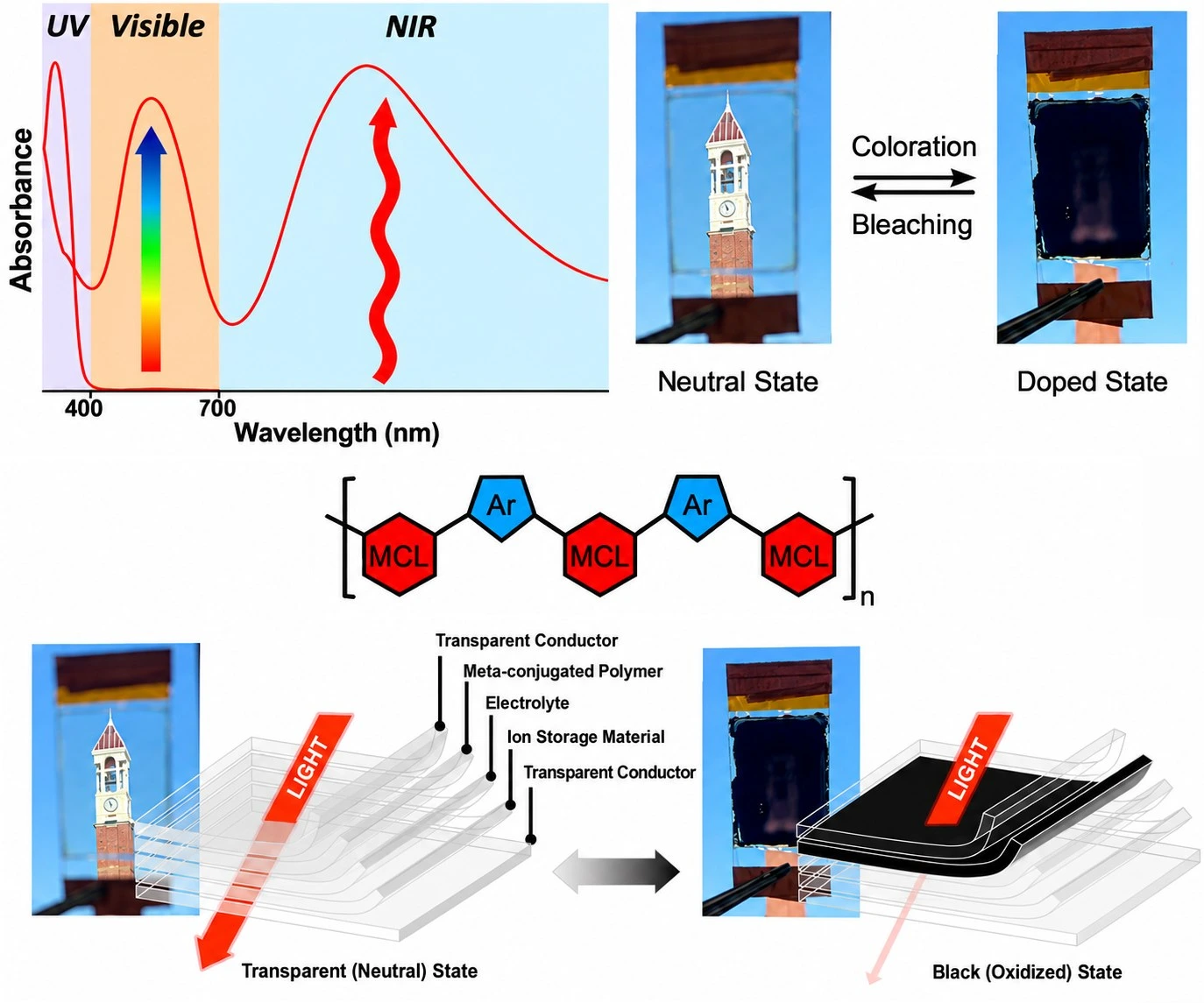
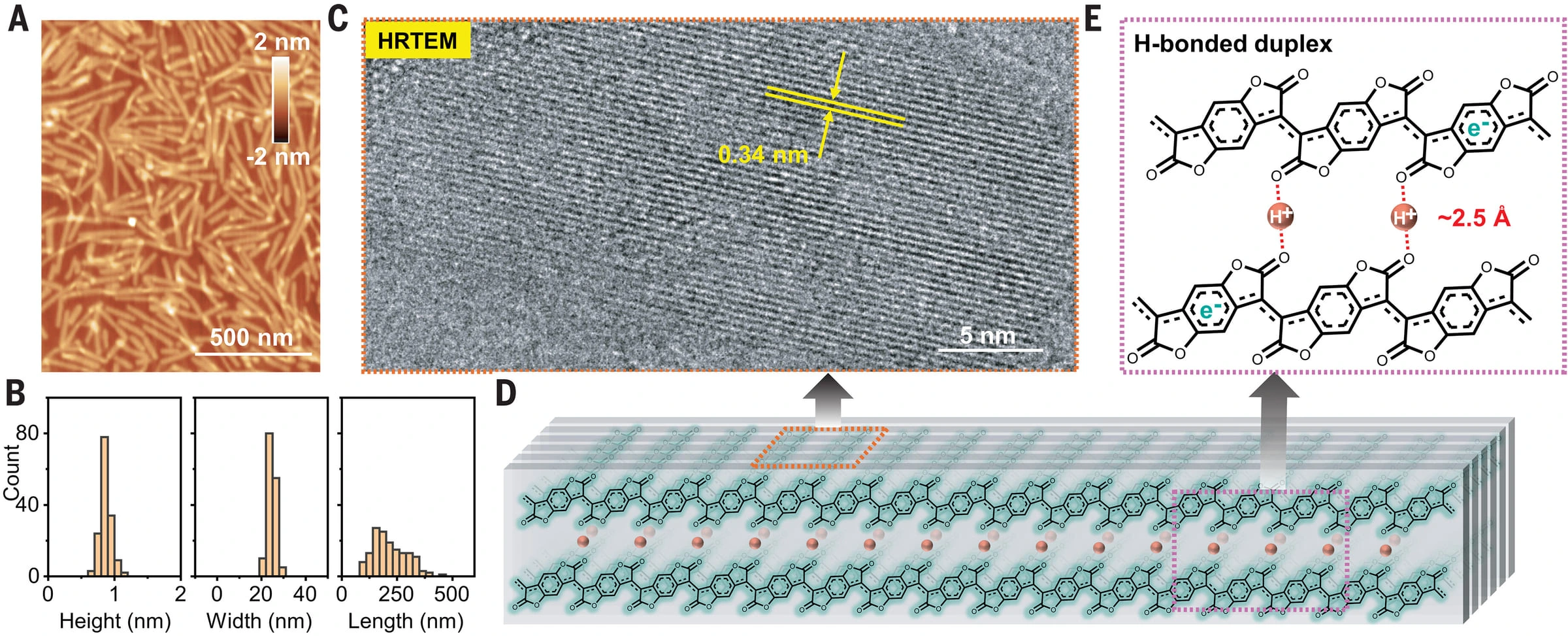
n-PBDF and Polymerisation-Driven Self-Assembly take this further. n-type conducting polymers have long been held back by low conductivity, instability in air and doping that destroys structural order. n-PBDF, discovered independently in our group, is the first to combine metal-level conductivity, air stability, solution processability and visible-light transparency above 80 %. Around it we have built a scalable synthesis, an understanding of its doping mechanism and ways to control its structure, and we discovered polymerisation-driven spontaneous assembly (PSA), in which polymerisation, doping and ordering are coupled in a single step. Doping no longer breaks order; it drives it. The material is a platform for opto-electric (transparent electrodes replacing ITO), electro-chemical (electrochemical transistors, electrochromics), photo-thermal (smart windows, transparent heaters) and thermo-electric (flexible solid-state cooling) devices, and it is the material that living electronics grows in vivo.
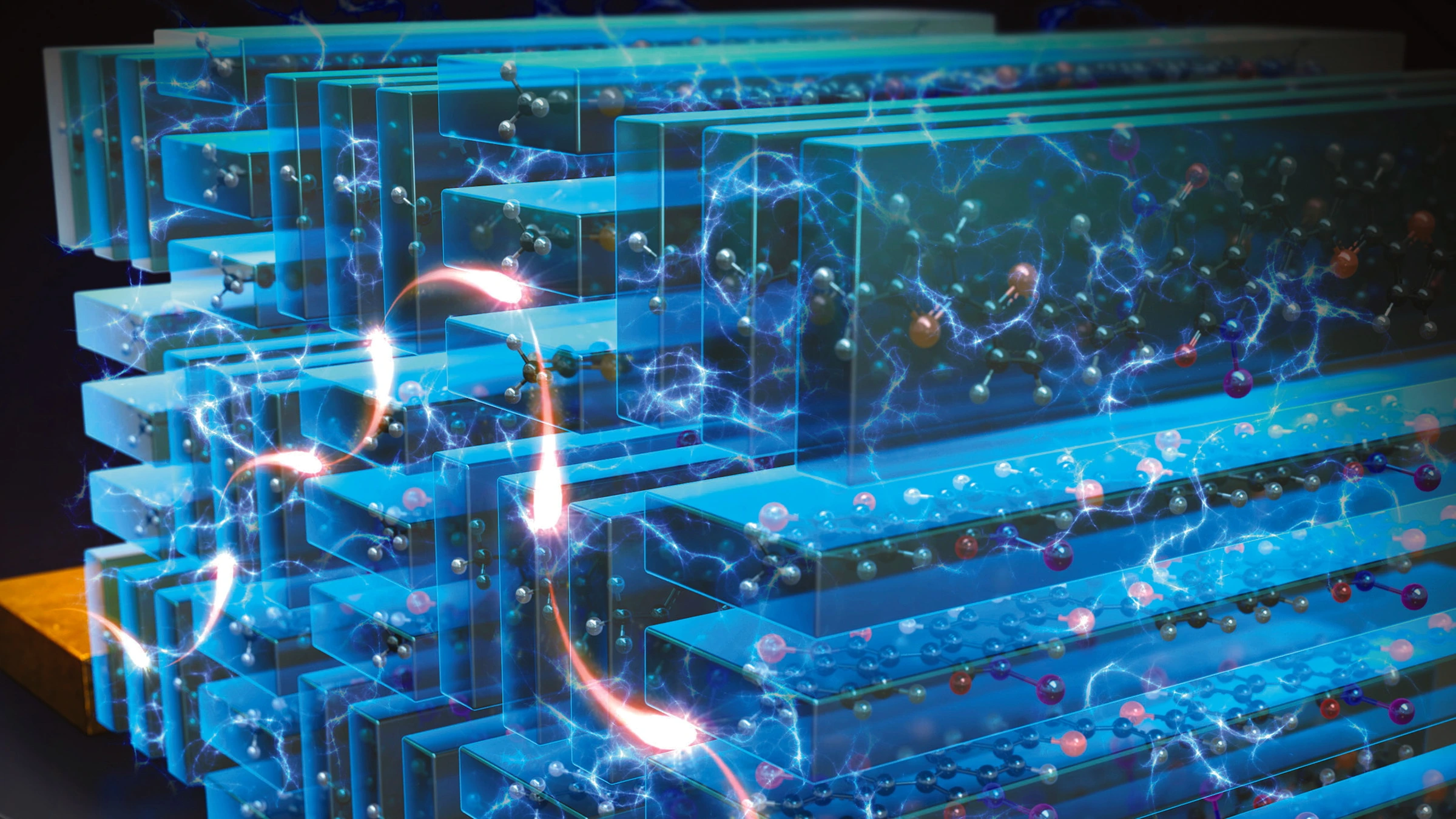
Materials Characterization and Processing are also critical components in our research efforts. The essential goal is to establish the relationship among chemical structures-materials processing - thin-film morphologies - functional properties (e.g. mechanical, optical, and electronic properties): our characterisation couples electrical, spectroscopic and morphological measurement to understand how structure sets function.
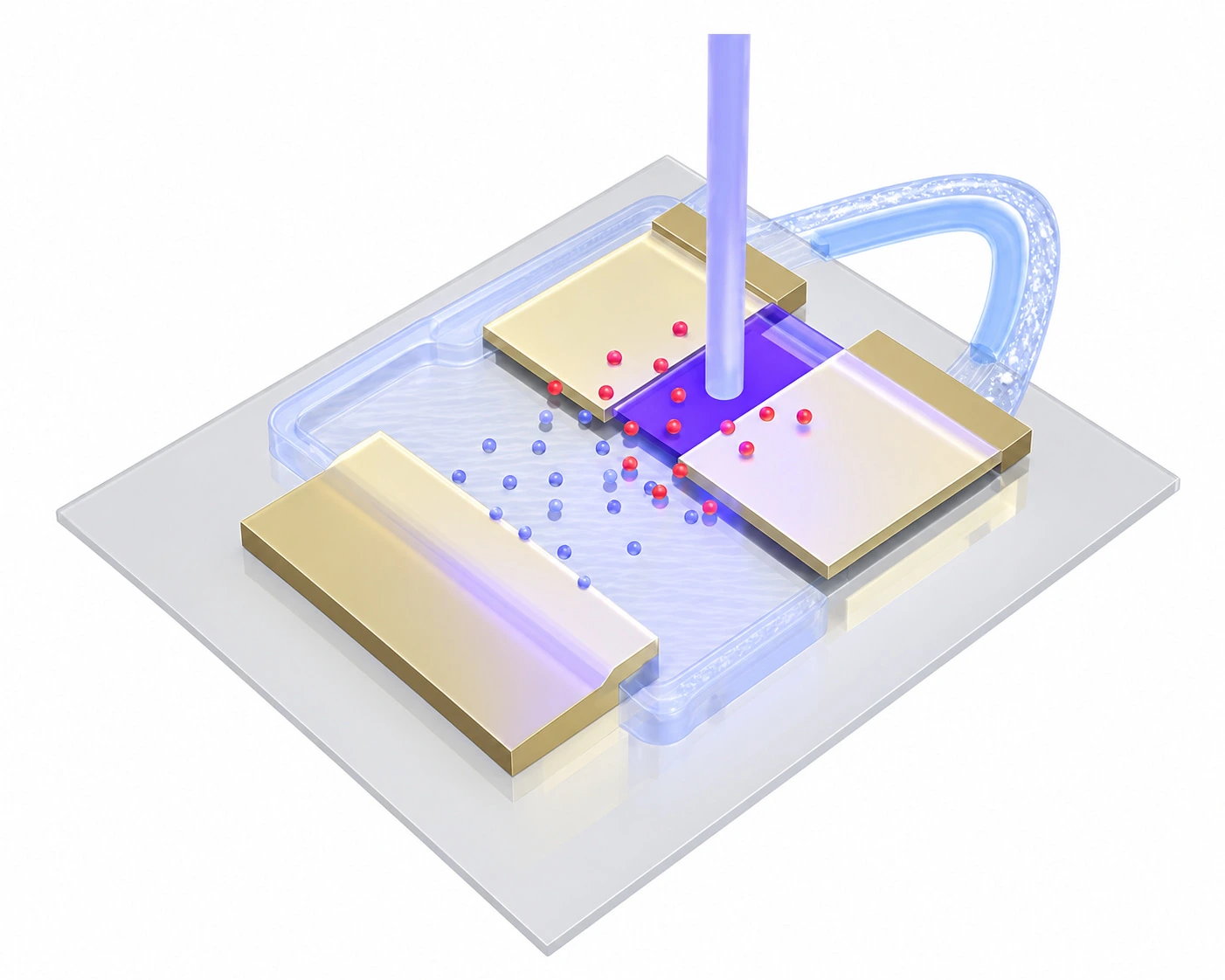
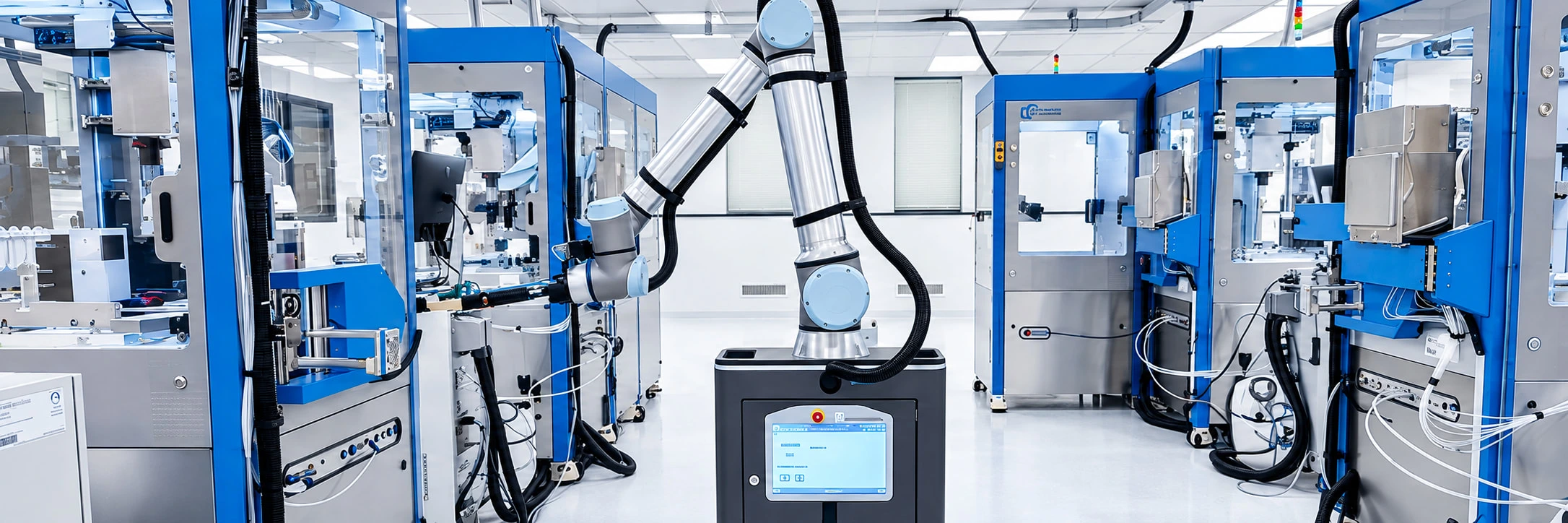
Device Fabrication and Integration are indispensable when it comes to demonstrating the potential of our materials. There are three primary electronic devices we build in the laboratory, including organic field-effect transistors (OEFTs), organic electrochromic (OECDs), and organic electrochemical transistors (OECTs). One example is our high-temperature electronics. Electronic devices normally lose their function as the temperature rises. We proposed and systematically developed high-temperature organic semiconductors as a research direction, uncovered the mechanisms that govern charge transport and structural stability under heat, and, through polymer blending, realised all-plastic organic transistors that operate stably at 220 °C (Science, 2018, 362, 1131-1134). This takes organic electronics from room-temperature applications into extreme environments such as engines, spacecraft and downhole sensing.